Hi
The more you use your flash the better you will get to know it. Start slowly with one flash head at 45 degrees to your subject and look at the shadows it casts. Then place another flash at 45 degrees to the subject on the other side and set to the exact same exposure output. There will be almost no shadows. Now decrease the power in one of the flash heads. When you decrease the flash power you might have to fire the flash off before taking a photograph to "dump" the earleir setting.
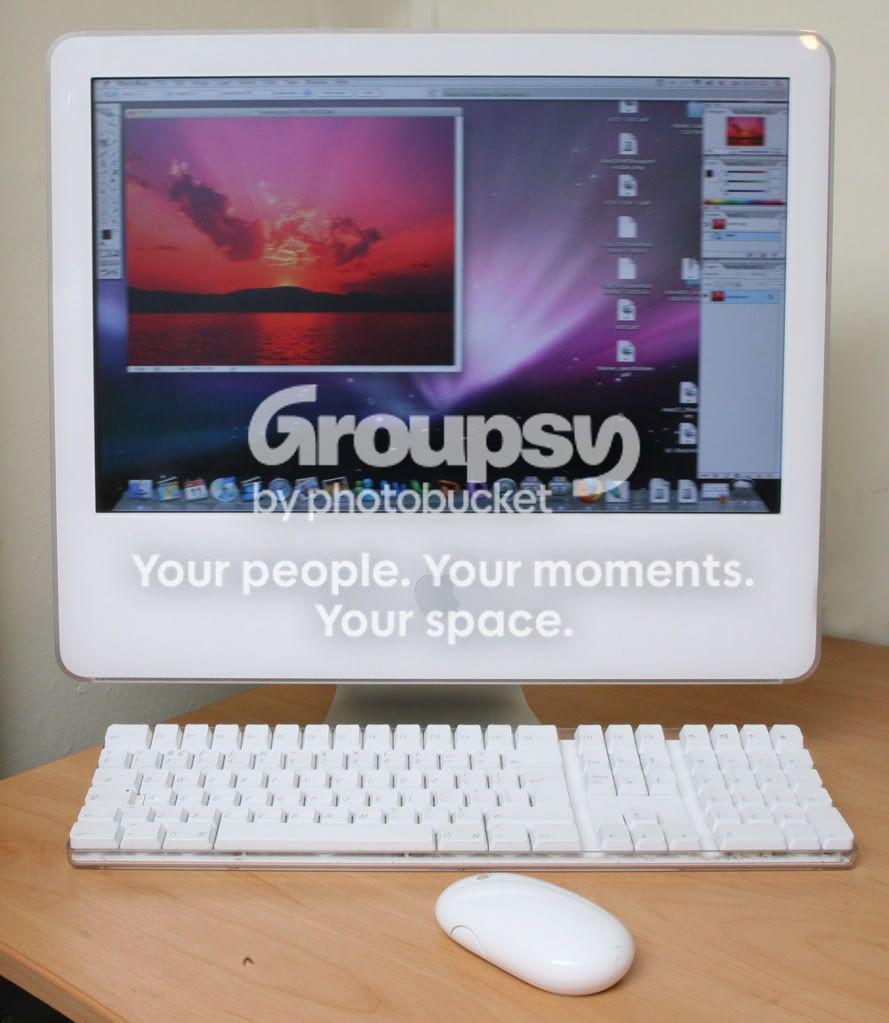
Shutter speed - your camera will have a maximum speed that alllows all of the flash to record - this is normally 1/125 but is different on all cameras. If your camera is 1/125 then setting higher, e.g 1/250th will result in part of the frame being unexposed. A lower shutter speed will not alter the exposure but will allow the available light to have an effect. This is an example of my Imac I took this morning (its for sale plug, plug)
It was taken at f8 at 1/4sec. The slow shutter speed was to allow for the screen to record and is blurred because I did not fetch the tripod over.
The flash has lit the rest and so I set the colour temperature of the camera to the flash kelvin setting. Although flash is meant to be the same as daylight not all are. I have a set of 20 year old Bowens monogolds that are spot on but my Bowens Esprit 500s are about 300 kelvin out.
The above photograph was taken with a Metz 45ct1. I use an expodisc to get the accurate colour temperature setting these days.
As to aperature the problem with looking at a histogram is that you will get a different reading if the overall image is black to one that is white.
If you are shooting in your studio then I guess a lot of the time everything will be static so you will learn the best exposure. If you are mobile it will change and an exposure meter might be handy.
As to lens get a 100mm macro, the quality will outstrip any zoom
stew