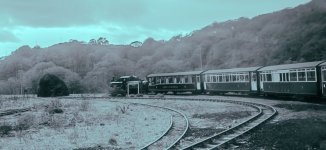
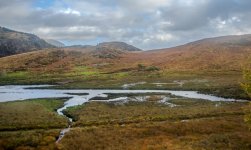
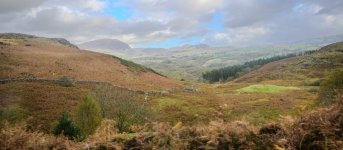
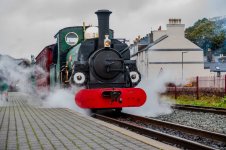
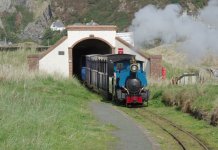
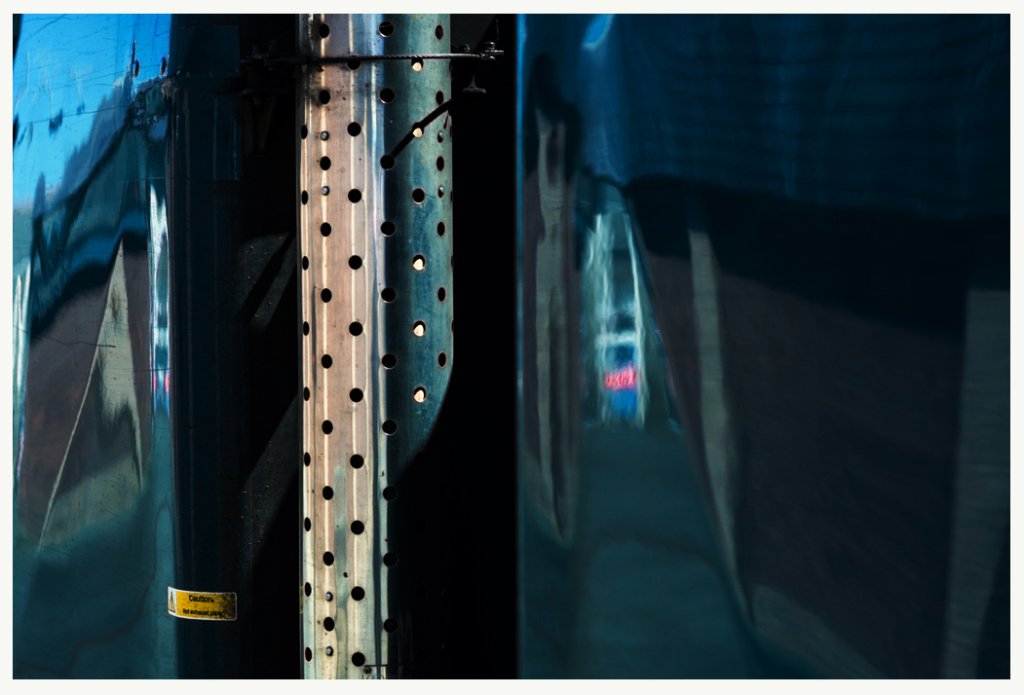
Let's see your trains/views from trains

Oh that's a very good point. Maybe anglicised
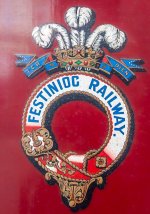
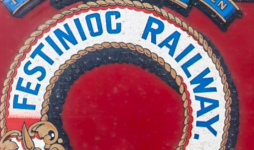
Except this...! Just one F.
View attachment 496433
Some info from Google :)
    • 19th-Century English Spelling conventions: When the railway was incorporated in 1832 under King William IV, Welsh orthography (spelling) had not yet been formally standardized, and anglicized spellings of Welsh place names were frequently used in official British documentation. During the 18th and 19th centuries, spelling the name with one "F" was standard practice in English text.
    • Evolution of the Welsh Language: Throughout the 20th century, Welsh spelling was systematically revised and standardized. In modern Welsh, the double "F" (Ff) represents the voiceless labiodental fricative sound (the "F" sound in English), while a single "F" represents a "V" sound. Therefore, the town itself is spelled Ffestiniog today
 
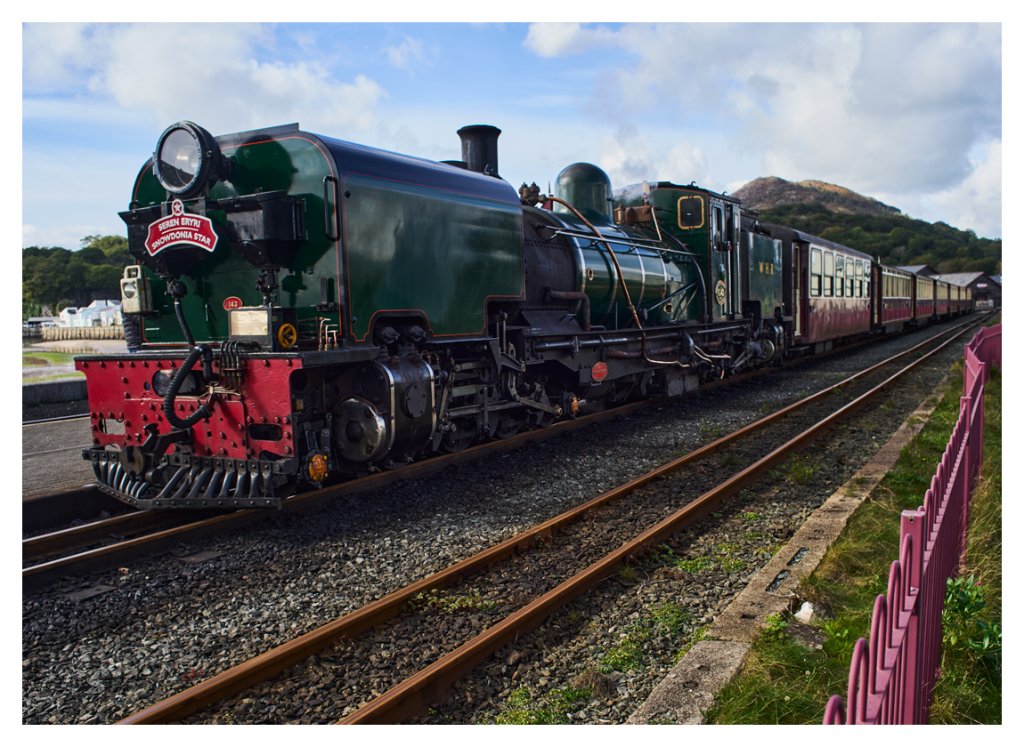
One of the marvellous Welsh Highland Railway / Rheilffordd Eryri articulated Garrett locomotives having arrived at Porthmadog from Caernarfon.

full

(Elmarit-R 28mm)
 
Last edited:
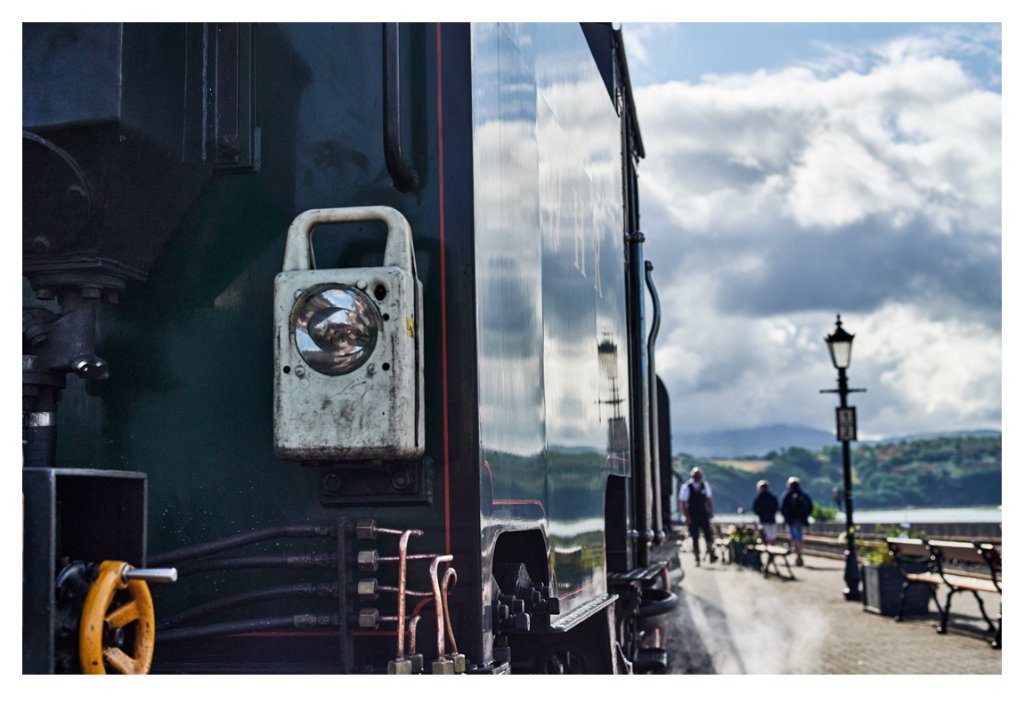
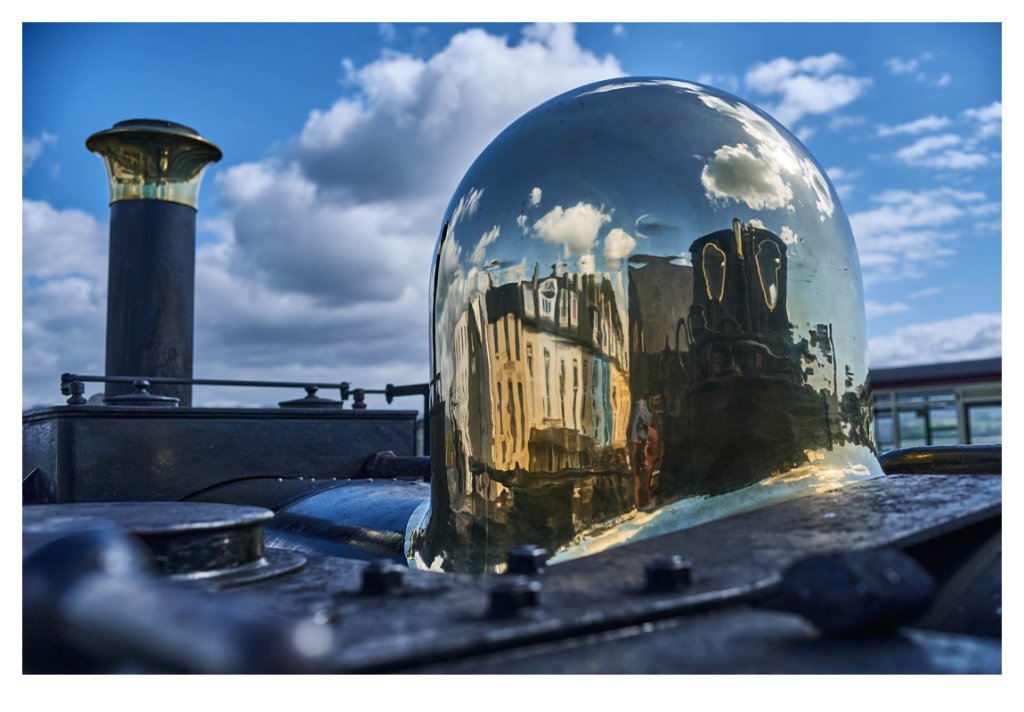
The Ffestiniog / WHR's loco 'Lyd' at Porthmadog, with its own cab and Brittania Terrace across the road reflected in the brass dome ...
full

(Summicron-R 35mm)
 
Last edited:
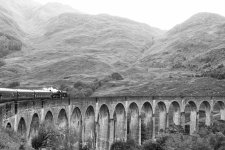
Glenfinnan viaduct
The Glenfinnan Viaduct is a historic railway viaduct on the West Highland Line in Lochaber, Scotland. Built between 1897 and 1901 by Sir Robert McAlpine, it is the longest concrete railway bridge in Scotland, stretching 416 yards (380 m) across the River Finnan. The viaduct is famous for its 21 semicircular arches and its appearance in the Harry Potter film series, where the Hogwarts Express is seen crossing it.
NDW0006.jpg
 
Last edited:
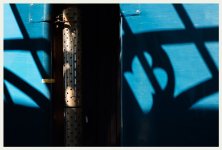
Detail study 2: class 158 DMU (with station canopy shadow)

class158-2.jpg
 
Back
Top