Antidote to GAS – Copy NASA

Messages
1,208
Name
Red- - - - - - - - - - - - - - - - - -Snappa
Edit My Images
No
While we amateur togs convince ourselves that we need the latest, greatest and costliest mirrorless based camera gear to take family and holiday photos, organisations that use cameras for mission critical assignments and require camera gear that MUST work flawlessly in the most hostile of conditions think differently to the rest of use whose thoughts are easily manipulated by manufacturer marketing material..

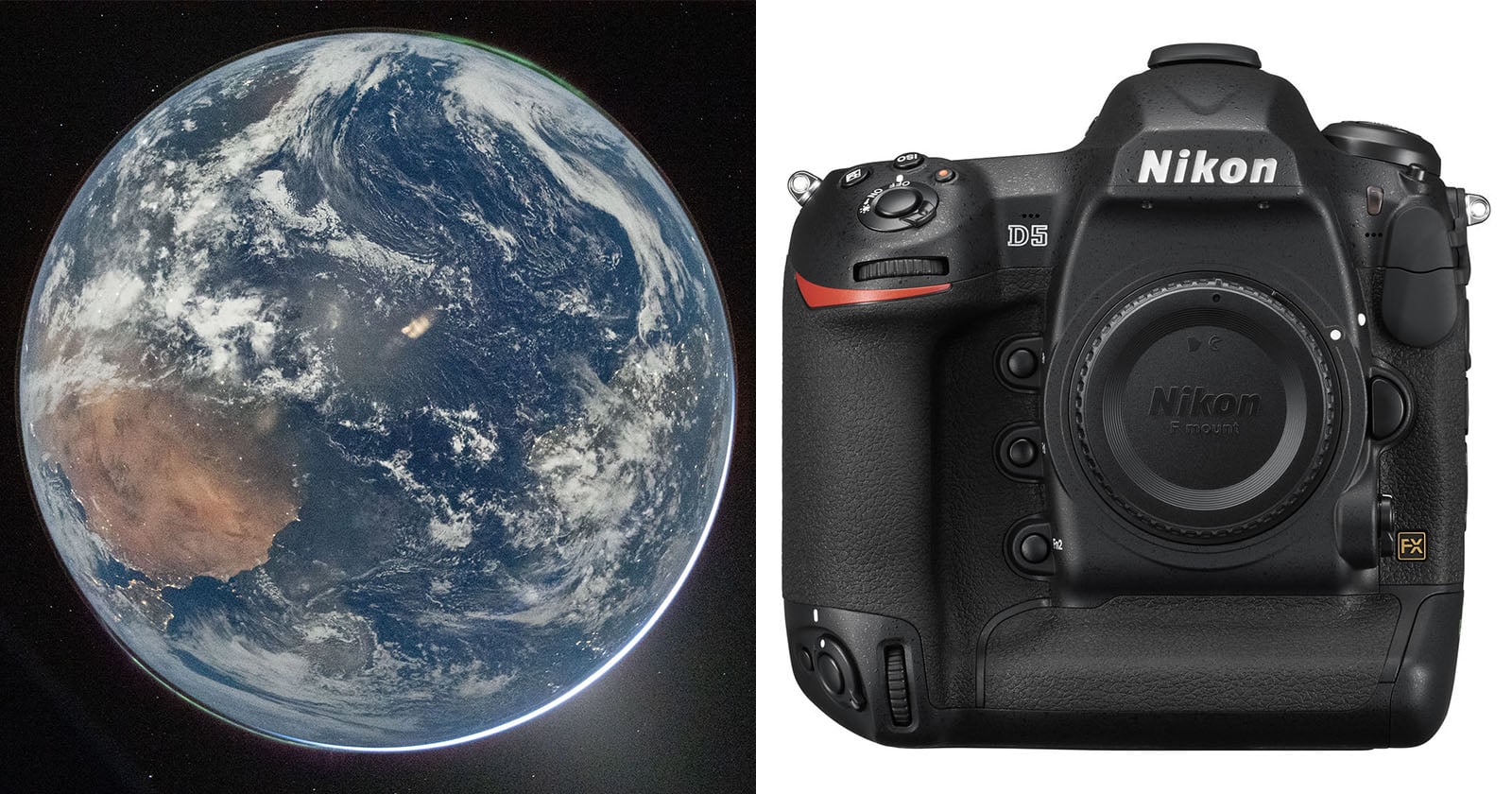
As we speak, Nasa astronauts are using a fleet of 10 year old Nikon D5 DSLR cameras to capture and produce amazing pictures of their latest Artemis space mission.

 
I'm running a variety of digital cameras dating from 2005 up to 2019, I'm at the point where buying a new camera for the sake of a few percentage points of 'improvements' would actually make no discernible differences to my images which are rarely printed but mostly posted online. I no longer spend big sums of money on typically fast depreciating new cameras, my software no longer needs to be regularly updated and the biggest limitation on the results is not the camera, it's me! The last camera I bought was a Nikon DSLR which was crazy cheap for something so fun to use.
 
As one of my favourite bosses told me: never fix what isn't broken and never replace what still does the job.
 
Yeah..... But Nikon? Come on. Of all the brands to choose from :rolleyes: :rolleyes:

:ROFLMAO:
They have their points. For example, my Nikon D600 seems to have its own form of artificial intelligence...

Dinosaur statue at Strand Exmouth D600 D60_4303.JPG

This is straight out of the camera and how it came to happen is beyond me. However, I really like it

Of course, other opinions are always available.
 
I wonder what OS the on-board computers ran.
 
There might have been some specific reasons for choosing the D5s, like dynamic range, demonstrable ruggedness, long battery life, sponsorship etc. they also didn't need some of the features we find useful, like eye detection or fast AF. A modern mirrorless system might have saved them weight and given even better pictures, or it might have made no discernable difference. My suspicion is that they wanted absolute dependability over photographic quality and this system was plenty good enough.

TBH the premise of the first post seems a bit bizarre - the D5s would never have been developed if it were not for the general trend forwards, and 10 years ago there were people saying the say things about this generation of cameras.
 
According to PetaPixel (and a couple of other sources I've seen) it's because the D5 performs exceptionally well at high ISO


Petapixel said:
When Nikon released the D5, a big part of its marketing was that it could reach an obscene high ISO value of 3,280,000. While that top mark is generally a lot of hot air and ISO 3.28 million looks terrible and is practically useless, the D5’s highly touted low-light performance is far from marketing mumbo jumbo. The D5 was, and remains, Nikon’s best high ISO performer. Not just for DSLRs, but all Nikon digital cameras ever made.

NASA are also famously conservative in qualifying equipment for use in space. The engines for the SLS used by Artemis are hot-rodded versions of a 70s design used on the Shuttle - the first missions used some engines that remained from stock produced for Shuttle missions.

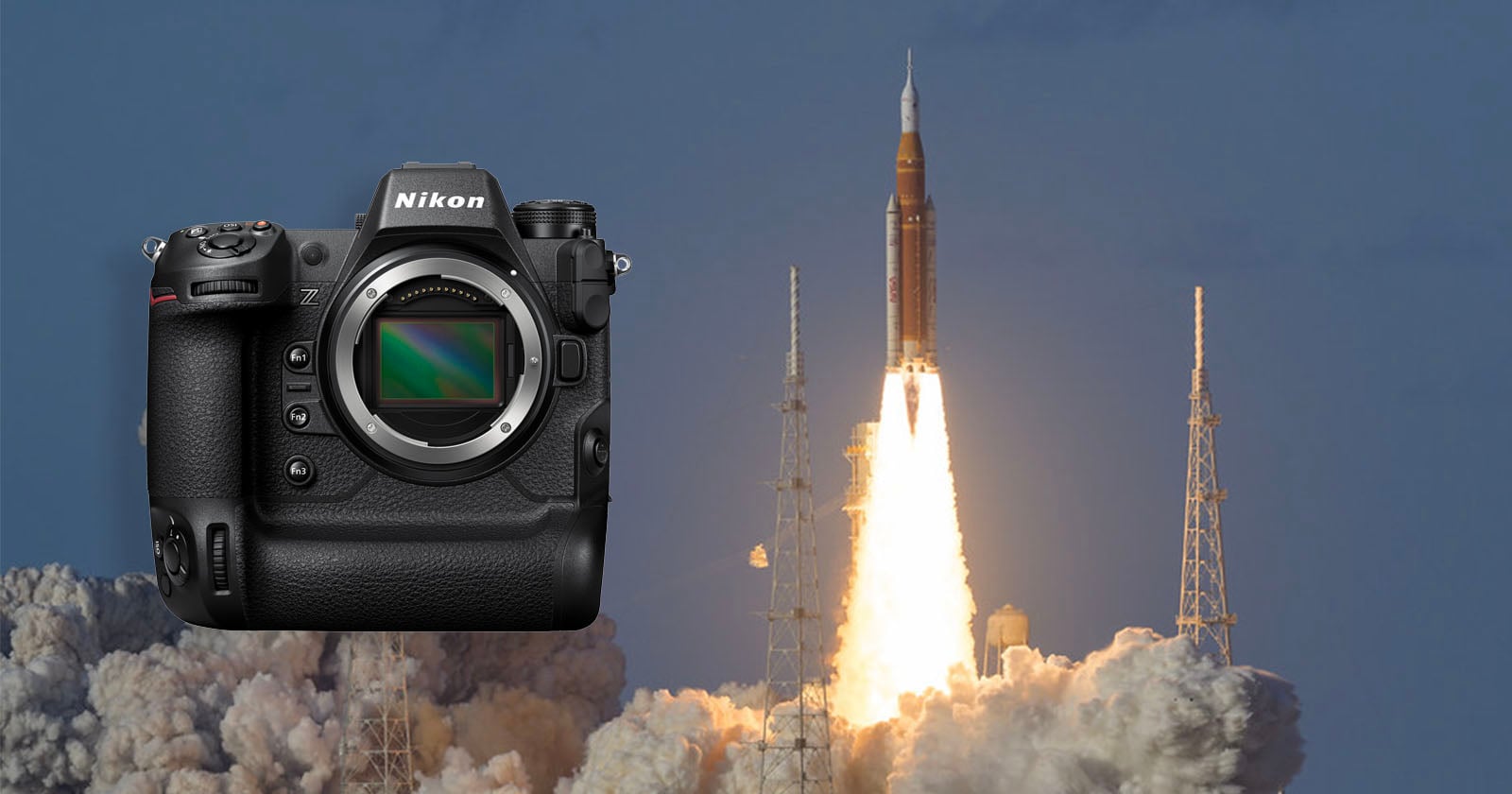
Anyhow, according to the same Petapixel article, this is the last hurrah for the D5. NASA are switching to a camera based on the Z9 for Artemis III. A Z9 accompanied the D5s that the crew used as primary cameras for Artemis II

 
Last edited:
Have a look at the DP review studio scene comparison:


No other full frame camera beats the noise performance of a D5 at really high ISO.

Only one other camera make was as resistant to the environment and that had issues on the screen with pressure.

There would be no point going to a D6 as the main change (faster focus and configurable area face detection through the view finder) is pointless for moon pictures.

They had some older F lenses to: 24-24 f/2.8, 80-400 and a 35mm f/2. I guess the last one was for internal shots, where the low size and weight co
unt the most.
 
Last edited:
Always said this.

Our older cameras still take the same quality images as when we bought them and we were happy with them then.

Time moves on though and if people see better IQ and even if they're just happy snappers and as long as they can afford it then why not get the new model? And then there's the leaps forward in focus ability and consistency and the wonderful ability to either AF or MF just about anywhere in the frame with WYSIWYG. The world and tech has to move on and I'm glad it did :D
 
Back
Top