dinners
In Memoriam
- Messages
- 15,745
- Name
- Phil
- Edit My Images
- Yes
Hi there
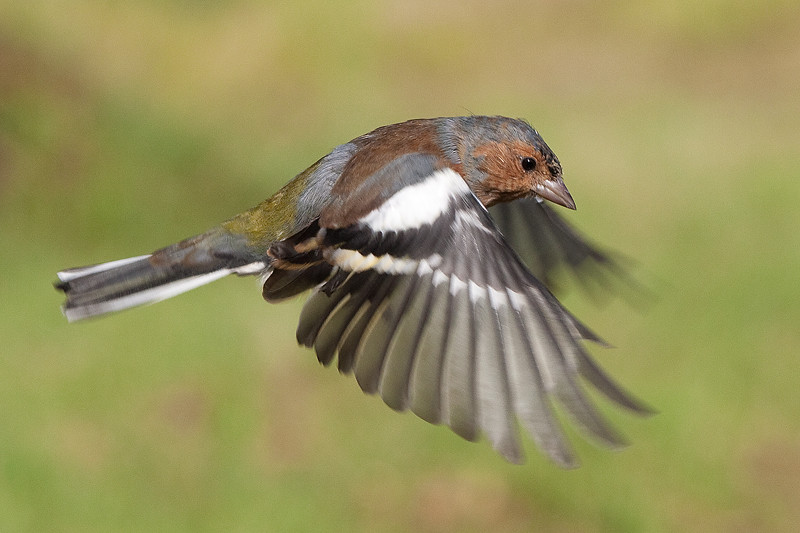
I've been trying to get some shots of birds on the move.
I'm not talking about AI Servo tracking birds 'in flight' but capturing garden birds in the air rather than stood on a branch.
I have begun to understand where they fly to and from, how they move and when they move. The Coal Tits seem to fly to the branch, sit for 2 or 3 seconds max, fly to the feeder, feed for 2 or 3 seconds, then whizz off. Predictable (which is good) but still proving hard to 'catch' that shot.
Siskins seem to stay put for ever, Blue Tits, Sparrows, Great Tits seem to be anything from 1 second to ten mins so knowing when they're going to take off is difficult.
Question 1 - How do you anticipate when they're about to launch ?
I want to catch them after they've just took flight. I'm shooting with a 1D Mark II and even with a short burst at 8.5 f/ps I seem to get a series of 'bird on the twig' - then just 'twig' . I don't want to to just machine gun for ages because the danger is they just sit still and you end up with a million shots. I've tried waiting to see if I can be quick enough to 'catch' the moment but they're always out of the frame before the first shot is fired.
Qustion 2 - Using a smaller aperture to increase the chance of keeping the bird in focus ?
I appreciate that I'll often need max aperture to achieve the fast shutter speed but once the bird has launched - it's flown slightly out of the depth of field. Increasing the depth of field can mean cranking up the ISO to maintain shutter speed but does stopping down increase my chance of keeping the bird in focus ?
I've been trying to get some shots of birds on the move.
I'm not talking about AI Servo tracking birds 'in flight' but capturing garden birds in the air rather than stood on a branch.
I have begun to understand where they fly to and from, how they move and when they move. The Coal Tits seem to fly to the branch, sit for 2 or 3 seconds max, fly to the feeder, feed for 2 or 3 seconds, then whizz off. Predictable (which is good) but still proving hard to 'catch' that shot.
Siskins seem to stay put for ever, Blue Tits, Sparrows, Great Tits seem to be anything from 1 second to ten mins so knowing when they're going to take off is difficult.
Question 1 - How do you anticipate when they're about to launch ?
I want to catch them after they've just took flight. I'm shooting with a 1D Mark II and even with a short burst at 8.5 f/ps I seem to get a series of 'bird on the twig' - then just 'twig'
. I don't want to to just machine gun for ages because the danger is they just sit still and you end up with a million shots. I've tried waiting to see if I can be quick enough to 'catch' the moment but they're always out of the frame before the first shot is fired.Qustion 2 - Using a smaller aperture to increase the chance of keeping the bird in focus ?
I appreciate that I'll often need max aperture to achieve the fast shutter speed but once the bird has launched - it's flown slightly out of the depth of field. Increasing the depth of field can mean cranking up the ISO to maintain shutter speed but does stopping down increase my chance of keeping the bird in focus ?
Last edited: