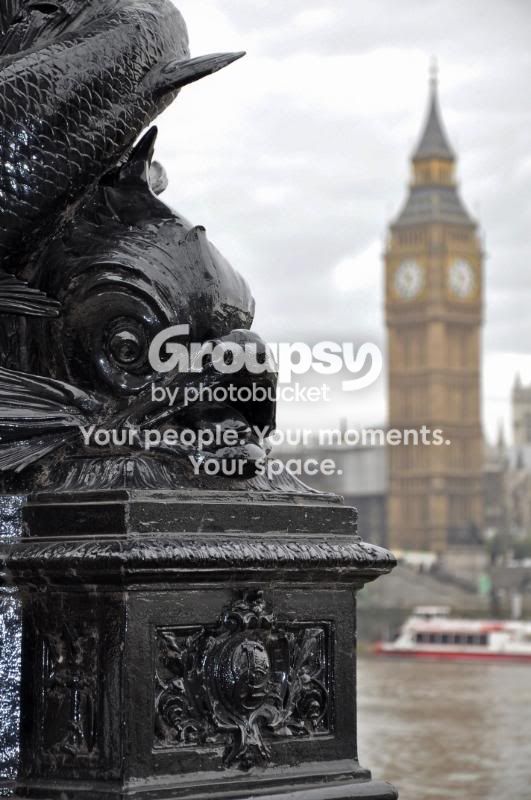
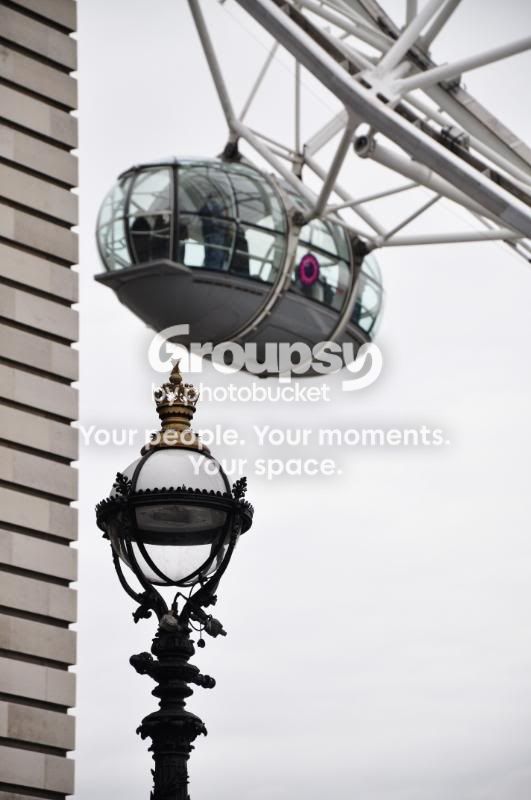
Disappointing results from D90 on grey day in Rome

Messages
1,443
Edit My Images
Yes
Guys,

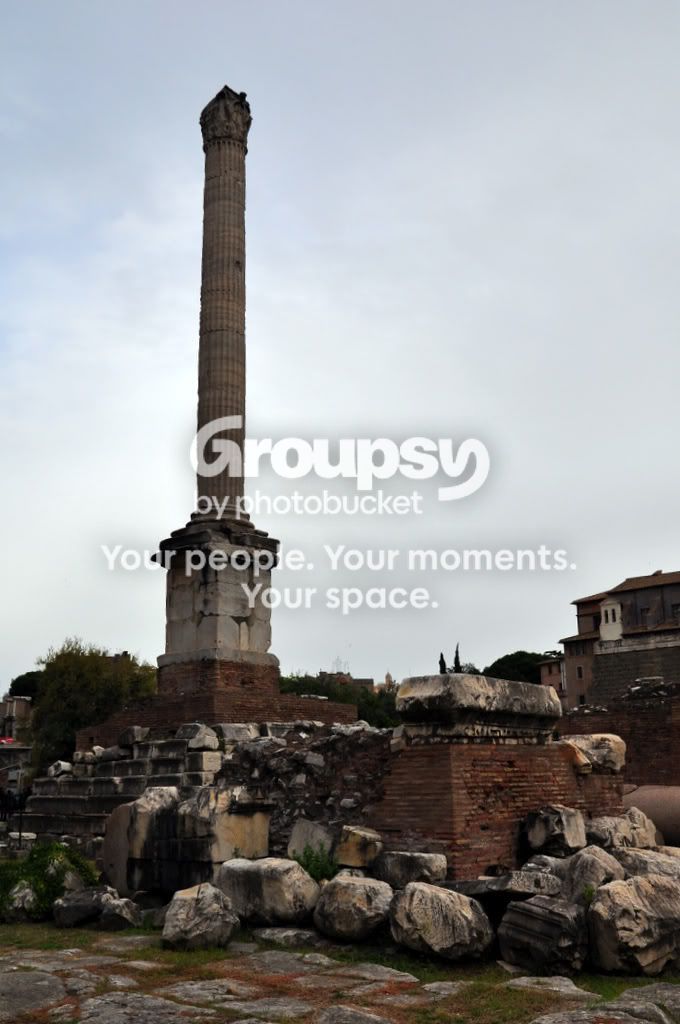
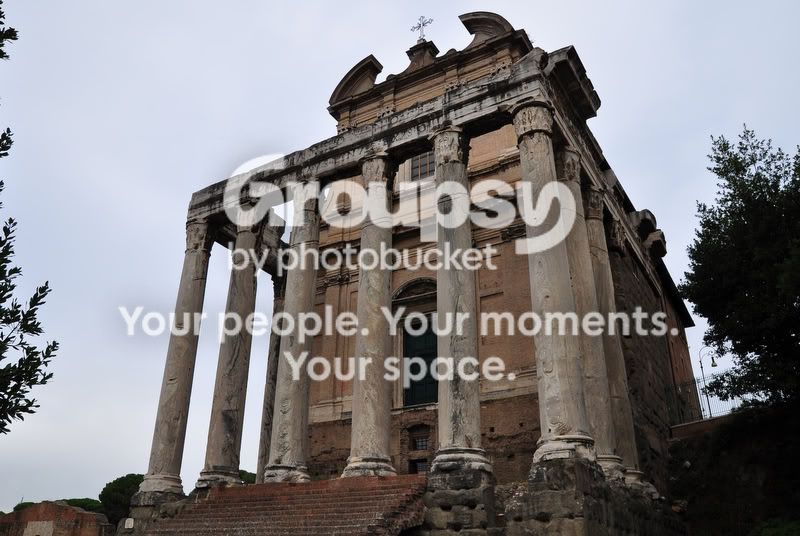
Just been reviewing some of my pics form a recent trip to Rome and have to say I’m somewhat underwhelmed with the out of cam results. Maybe I’m just expecting the impossible as the weather was quite dull on the afternoon in question but I’d hoped for better exposed results. Out of the camera everything seems dark and soft. Even some very basic auto levels in picasa (used for a 1st check of the pics) makes a big difference although still soft

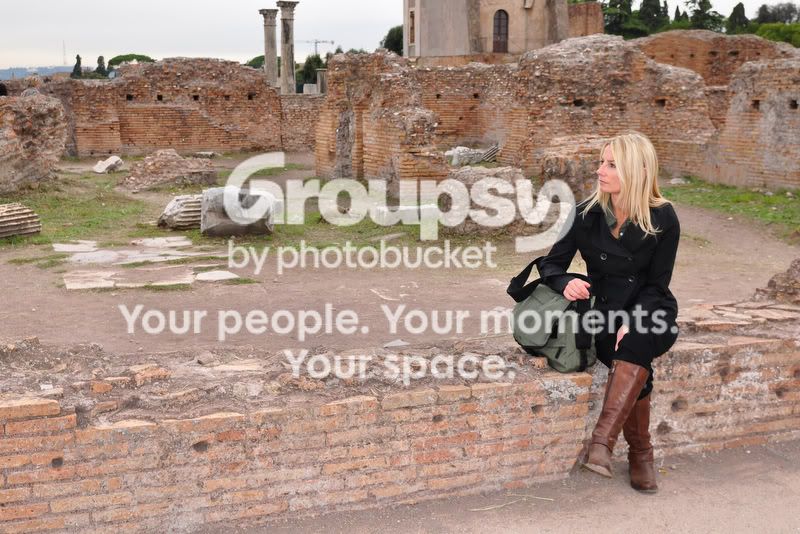
Using fill in flash for the pic of my wife makes a world of difference.

On grey days is there anything I should be doing differently to increase the light captured ?

Most of them were shot in either A mode or P mode with low iso.

Any tips here on avoiding such flat results ?
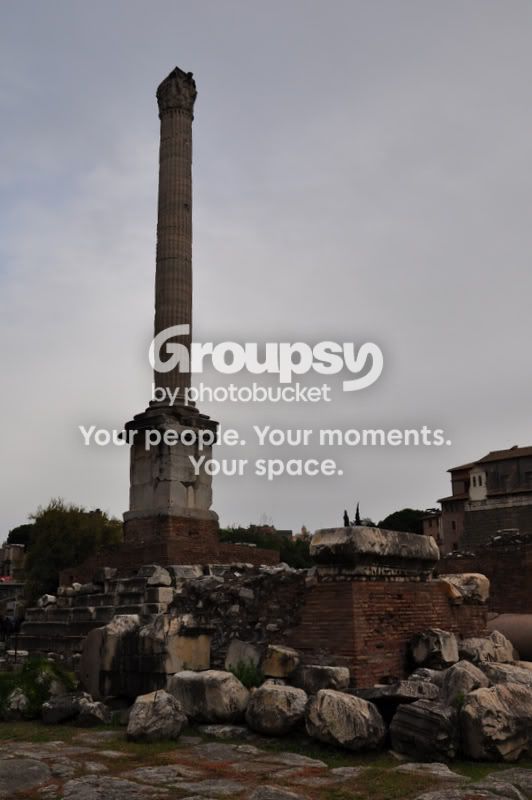
DSC_0489.jpg


Auto levels

DSC_0489-1.jpg


DSC_0470.jpg


DSC_0403.jpg


Same area with Fill in flash

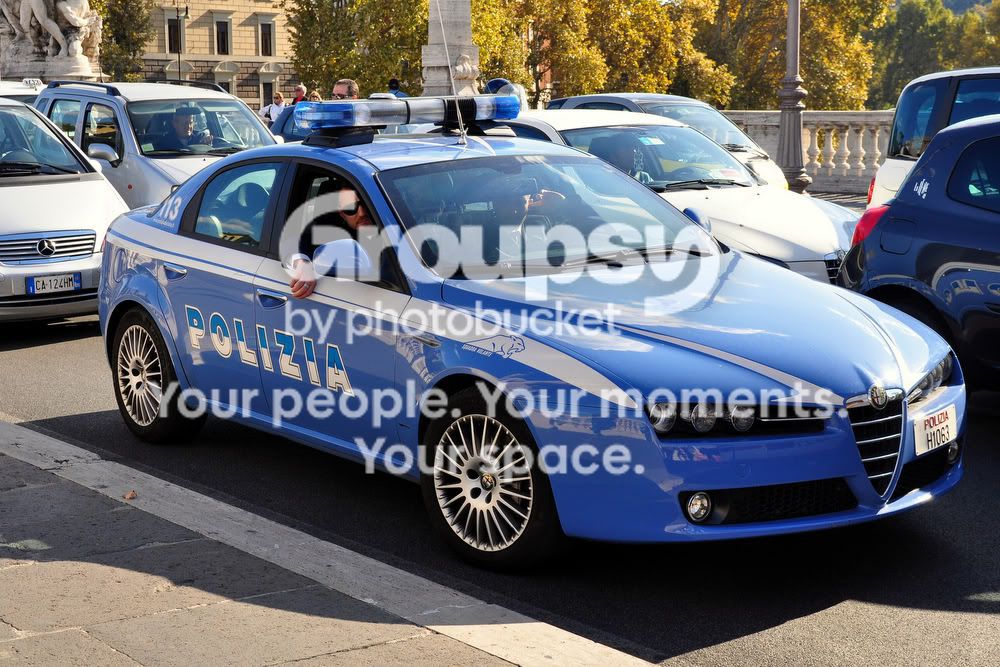
DSC_0401.jpg


Day before in better light..

DSC_9665.jpg


TIA,
Mike.
 
Some could use a bit of photoshopping - No 2 looks a bit slow - but they all look fixable to me with just a minute or two.
 
i had results a bit like this on my d90 on Monday on a visit to London, weather was overcast a dull, auto was not very pleasing so switched to A mode and used exp compensation quite a lot.i also increased the iso to 400.

this one was with fill flash
DSC_07181.jpg

this one was using A mode and exp comp i think
DSC_07041.jpg
 
I would have used a tripod to allow longer exposure time or shoot in TV mode.

Another would be to bump up the ISO.
 
If you shoot using autoexposure (which P and A modes are) then unless you purposely dial in some exposure compensation the camera will try to average out the scene (actually the area you metered from) to a "middle grey" tone. If your scene consists mostly of cloudy grey sky then what you are actually doing is taking a photograph of your light source, because the sky is one giant soft box. If you don't take charge then instead of your camera interpreting the sky as "bright" (even if cloudy) it will assume it should be "middle grey" and set an exposure accordingly. You will waste around 3 stops of dynamic range in your highlights, to the right of your histogram, increasing the chances of visible noise when you fix things up later on. As you have discovered, that is not what you want.

My advice for these troublesome lighting situations is to shoot raw using manual exposure and spot meter off the brightest part of the sky at +3 stops. That will capture the maximum dynamic range possible for the scene. Then sort out the look of the pictures back at your computer, if they need any sorting out at all. What you should also find, by using manual exposure, is that you pay a lot more attention to the tonal content of the scene and how to meter and set the exposure. Also, if you have evenly overcast skies you should also find that your exposures barely need to change at all from one shot to the next, regardless of how you compose the scene.

Another metering option would be to spot meter off your own palm at +1 1/3 stops, so long as your palm is in the same lighting as the scene/subject you are shooting. If you don't have a spot meter then partial should be OK, so long as you are carful only to meter off the right area of the scene, and not include other things that should not be part of the metered area.

p.s. flat (grey, overcast) lighting does give flat results that will not look punchy and vibrant. That's because you do not get strong contrast between shadow areas and highlights at the ground level. Your pictures may need a helping hand to liven them up.
 
This is no help about the d90 but i like the look of the police car very neat, mind u if you tried to take a picture like that at home no doubt you would get nicked.
 
This is no help about the d90 but i like the look of the police car very neat, mind u if you tried to take a picture like that at home no doubt you would get nicked.

It is a nice car but your comment about getting nicked is rubbish and the sort of mis-information we can live without! THERE IS NOTHING ILLEGAL ABOUT TAKING A PICTURE LIKE THIS IN THE UK!
 
apologies for caps lock - couldn't be bothered to re-type - I'm PERFECTLY calm! :D
 
If you shoot using autoexposure (which P and A modes are) then unless you purposely dial in some exposure compensation the camera will try to average out the scene (actually the area you metered from) to a "middle grey" tone. If your scene consists mostly of cloudy grey sky then what you are actually doing is taking a photograph of your light source, because the sky is one giant soft box. If you don't take charge then instead of your camera interpreting the sky as "bright" (even if cloudy) it will assume it should be "middle grey" and set an exposure accordingly. You will waste around 3 stops of dynamic range in your highlights, to the right of your histogram, increasing the chances of visible noise when you fix things up later on. As you have discovered, that is not what you want.

My advice for these troublesome lighting situations is to shoot raw using manual exposure and spot meter off the brightest part of the sky at +3 stops. That will capture the maximum dynamic range possible for the scene. Then sort out the look of the pictures back at your computer, if they need any sorting out at all. What you should also find, by using manual exposure, is that you pay a lot more attention to the tonal content of the scene and how to meter and set the exposure. Also, if you have evenly overcast skies you should also find that your exposures barely need to change at all from one shot to the next, regardless of how you compose the scene.

Another metering option would be to spot meter off your own palm at +1 1/3 stops, so long as your palm is in the same lighting as the scene/subject you are shooting. If you don't have a spot meter then partial should be OK, so long as you are carful only to meter off the right area of the scene, and not include other things that should not be part of the metered area.

p.s. flat (grey, overcast) lighting does give flat results that will not look punchy and vibrant. That's because you do not get strong contrast between shadow areas and highlights at the ground level. Your pictures may need a helping hand to liven them up.


Excellent advice.... well worth the read, Thank you
 
This is no help about the d90 but i like the look of the police car very neat, mind u if you tried to take a picture like that at home no doubt you would get nicked.

I drive the same car in the UK so always looking for Alfa shots in Italia.

Some good advice guys - i need to get braver and bang the exposure comp up as suggested, obviously will lose the skies but they are less important.

In hindsight using flash for any pics with foreground subjects might have been the answer in this grey light and obviously taking the ISO a bit higher as well.

Should have AE locked on the foreground as well before recomposing.....so much to remember :'(
 
Maybe i should have put a :) after the nicked bit it was not meant to be serious.
 
As usual excellent advice from tdodd :)

As he rightly explains it's to do with the camera trying to pull things to 18% grey. There are occasions where that is just not going to work. Snow is the best example I can think of. Snow is white, right? Wrong, not when you meter it it's not....it's 18% grey! So the camera will pull the whites down to grey. You then need to say "NO DAMN YOU!" and up the exposure 2-3 stops so it's white. :)

I always say that if you leave things to the camera it will try to average everything. Average metering, average depth of field, average lighting.............so don't be surprised when your pics come out............yep average.

Learn how to work with it, learn how to take charge and it's far more rewarding when you get it right too. :)
 
If you shoot using autoexposure (which P and A modes are) then unless you purposely dial in some exposure compensation the camera will try to average out the scene (actually the area you metered from) to a "middle grey" tone. If your scene consists mostly of cloudy grey sky then what you are actually doing is taking a photograph of your light source, because the sky is one giant soft box. If you don't take charge then instead of your camera interpreting the sky as "bright" (even if cloudy) it will assume it should be "middle grey" and set an exposure accordingly. You will waste around 3 stops of dynamic range in your highlights, to the right of your histogram, increasing the chances of visible noise when you fix things up later on. As you have discovered, that is not what you want.

My advice for these troublesome lighting situations is to shoot raw using manual exposure and spot meter off the brightest part of the sky at +3 stops. That will capture the maximum dynamic range possible for the scene. Then sort out the look of the pictures back at your computer, if they need any sorting out at all. What you should also find, by using manual exposure, is that you pay a lot more attention to the tonal content of the scene and how to meter and set the exposure. Also, if you have evenly overcast skies you should also find that your exposures barely need to change at all from one shot to the next, regardless of how you compose the scene.

Another metering option would be to spot meter off your own palm at +1 1/3 stops, so long as your palm is in the same lighting as the scene/subject you are shooting. If you don't have a spot meter then partial should be OK, so long as you are carful only to meter off the right area of the scene, and not include other things that should not be part of the metered area.

p.s. flat (grey, overcast) lighting does give flat results that will not look punchy and vibrant. That's because you do not get strong contrast between shadow areas and highlights at the ground level. Your pictures may need a helping hand to liven them up.

thanks for taking time out to explain that :thumbs:
 
Those Italian cops are lovin' the attention! I'll bet UK cops are no different, if not worse! You've only got to watch NightCops, CopsWithCameras ect ect, as an example!
 
Back
Top