Here's a
nicely written guide to tricky lighting situations.
http://www.lighting-essentials.com/using-a-lightmeter-and-placing-the-photographic-exposure/
It's aimed at the use of a hand-held meter, but there are some useful insights into the principles whatever metering method you're using.
Or how to make a mountain out of a molehill. Sorry, but why make such a simple, and common situation so complicated? Even if you have a hand meter available, you have to know how to use it, and be prepared to faff about with it. When auto-flash was pretty much made to do it all for you. (And anyone that talks about the Zone System in the context of digital doesn't know what they're on about. I digress.)
The problem is that dynamic range is far too great for the sensor to record. No exposure setting will get both the bright background and shaded foregound correct. You have to close the ratio gap by brightening the foreground to get it closer to the background. You could do that with a reflector, and it would probably give a nice result, but flash is easier.
Camera on Av, flash on E-TTL, shoot, bang. That's it

If you don't like the balance between the foreground and background that the camera has chosen, then you adjust the foreground (flash) brightness with +/- compensation on the gun, and adjust the background with +/- compensation on the camera. They work independently.
Potential problems. If the main subject is off to one side of the frame, the flash might try and expose for the distance in the centre and as a result will blitz the foreground. So use the Flash Exposure Lock (FEL button marked * ) which the handbook explains. Basically point the camera at the subject, press the * button which fires the pre-flash and calculates the expose and then locks the correct power output required. Recompose and shoot.
If it's really bright, the shutter speed for the ambient exposure might rise above the max x-sync speed (1/250sec on a 50D) but that is easily sorted in one of two ways. Just use a higher f/number or lower ISO. Or, with good guns like the 430EX, switch to High Speed Sync which works with any shutter speed (but reduces flash range, so only suitable for close-ish subjects). In fact, with your outfit you can leave the flash permanently switched to HSS (see handbook) and it will only engage when the shutter speed demands it, and will disengage when the shutter speed drops back again, automatically.




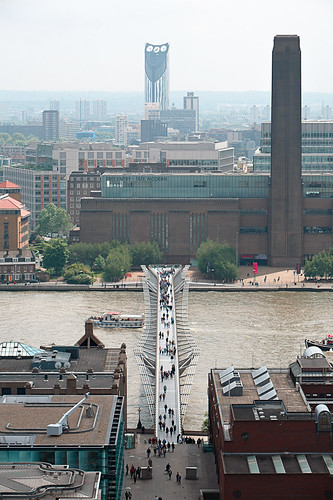


 No need to mess about with flash or tricky exposure control, plus an enhanced back-lit effect
