just "plane" soft

Messages
1,189
Name
Neil
Edit My Images
No
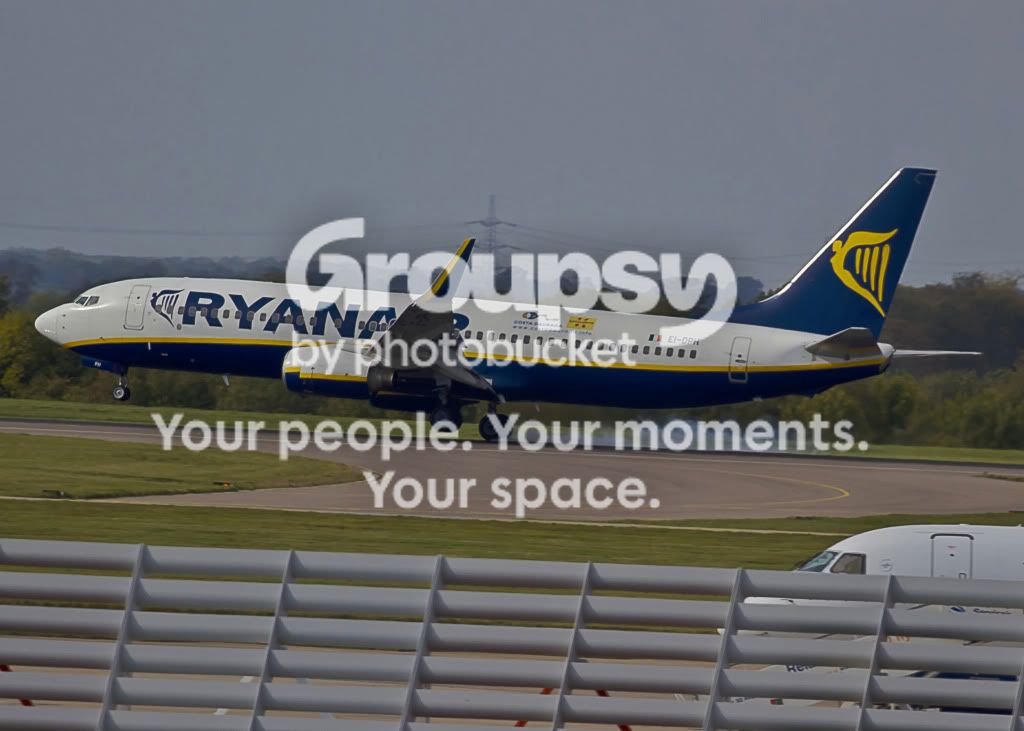
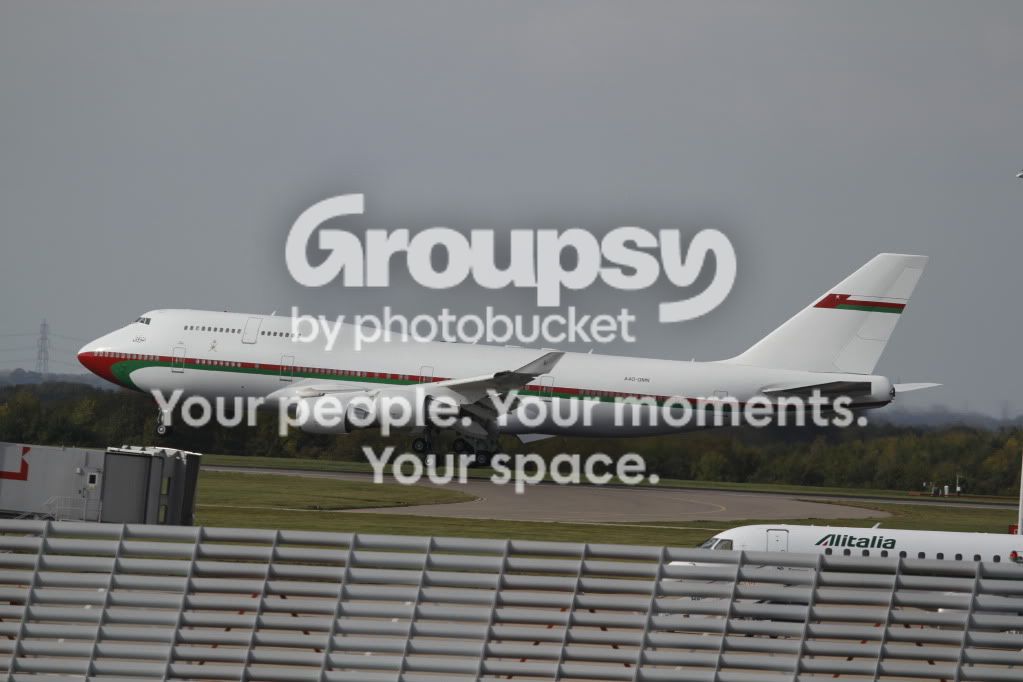
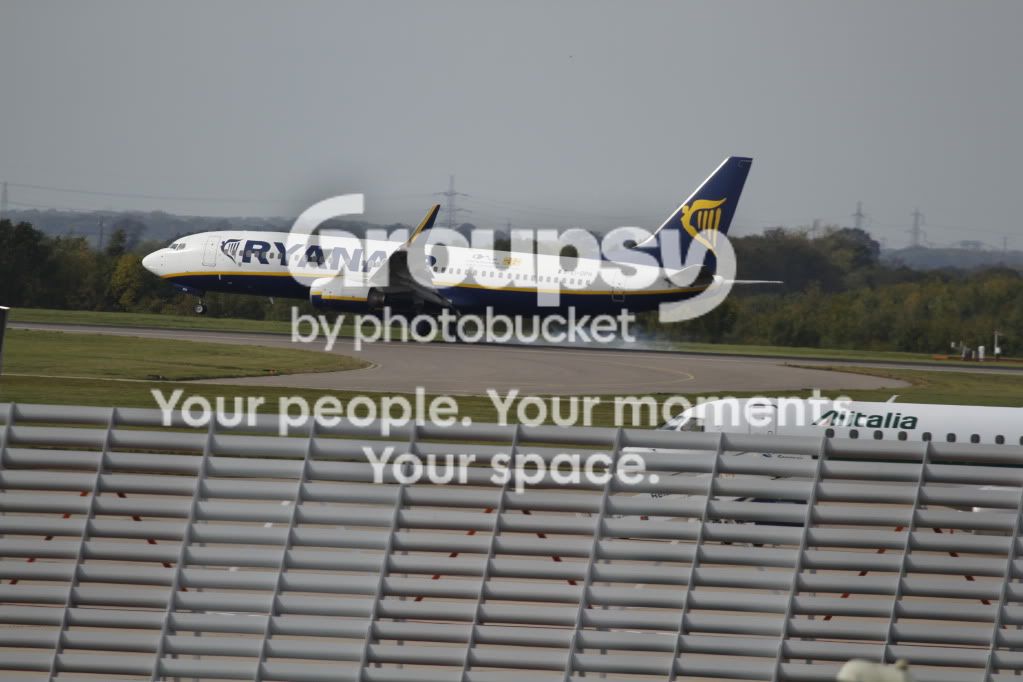
went to Stansted today to take a few shots and im not very happy with them, they all seem a bit soft to me, they where taken with a 7d, 100-400 lens on av, used centre focusing on one shot mode, is there something im missing out or am i doing something wrong, all help appreciated

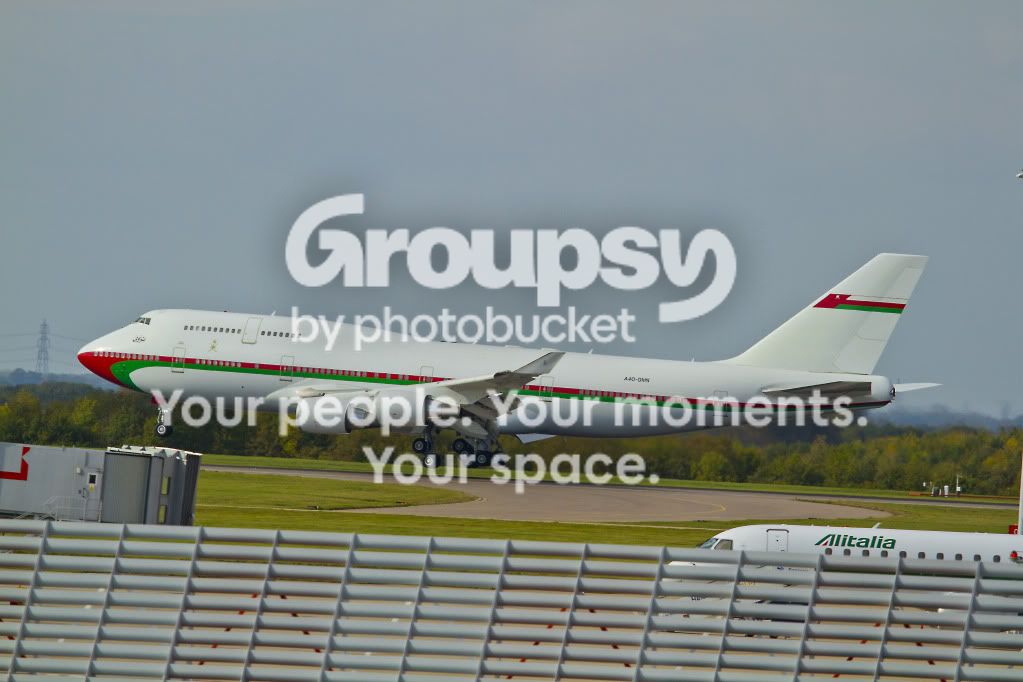
_MG_3360__1__2__3__4_fused.jpg

_MG_3601.jpg

smiokinhdr.jpg


all have been photoshoped to sharpen etc
 
it would help to see the non sharpened versions, but it just looks like focus has been missed. Just to be sure, what was the shutter speed for these shots?
 
1/1250 for #2
 
i aimed at the centre of the plane if that helps 1st was 1/1600 at f5.6, 2nd was 1/1250 atf5.6, and third was 1/800 at f5.6, the iso was auto, and was 100 on all
heres the unedited versions, these where jgs from the camera, the others are raw

_MG_3359.jpg

_MG_3601-1.jpg

_MG_3657.jpg
 
it looks as though focus has been missed and the depth of field may be a little too shallow. if you look at the 747 landing, it looks as the engine closest to you is more in focus than the rest of the fuselage. if you happen to be standing 500 ft from the planes and are shooting at roughly 300-400mm @ 5.6 your depth of field will be around 100-187ft, which is about 50 to 75% of a 747's wingspan. Whilst these may seem like large working distances (on my rough calculations), they are actually quite tight, given your subject.

When you go back, trying shooting at f8 and make sure you use a single AF point (the center one is a good place to start), place it on the fuselage and shoot a burst. Hopefully there'll be a good'un in there somewhere.
 
Last edited:
thanks fellas, used f5.6 because i was after light, this is where i need to learn when to change it, i did just use the centre focusing, i tried to aim at the fusalage but im guessing i missed, i wondered if i should have used the 19 point?
 
Last edited:
dont do the 19 points thing (yet)

You need to grasp how changing aperture changes what is and isnt in focus, the 19 focus point thing just lulls you into a false sense of "everything is sharp"
 
yea thats what i thought before, would using tv mode help, or is it better the change the aperture?
thanks for all the advice, i appreciate it
 
you can easily go to ISO 400 and go to f8, no need to anything else differently.
 
, is it better to manually up the iso or leave on auto (as i had it)? ill have another trip soon and try all the ideas out, thanks for all the advice
 
Here is the real mind bender

you have the following tools in the box to sort this out

- choice of aperture
- choice of shutter speed
- choice of what you decide you focus on

Superficially, the following choices make other ones more or less palatable
- ISO
- usage of a tripod
- usage of VR

most pro's either shoot manual, or Aperture priority, or Shutter priority, because when push comes to shove, all of the other silly modes are either just confuse the issue, or place an artificial limit on something that is really quite simple

Learn to shoot in manual, one setting at a time, you will hate it at first, and then when the penny drops, you will be in full control
 
, is it better to manually up the iso or leave on auto (as i had it)? ill have another trip soon and try all the ideas out, thanks for all the advice

learn to shoot at one ISO. i.e. ISO 200. Move away from ISO 200 only when you have run out of other options. In he future use auto ISO, with the understanding of what it really means
 
sort of get it, it was bright, but cloudy if you get what i mean, i was surprised the iso was 100, would i have gained anything by moving upto 200?
 
sort of get it, it was bright, but cloudy if you get what i mean, i was surprised the iso was 100, would i have gained anything by moving upto 200?

learn your camera, and the basic settings one by one. the issue with "auto everything" is you loose track of how things are really set

The issue isnt about what ISO you shoot at, but "why" you shoot at a different ISO
 
I would also be tempted to use servo focusing and let AF track the planes ;)

Also, don't be afraid to bump up the ISO, I was at a bird & deer park at the weekend with the same combo as you (7D/100-400), it was overcast and some of the birds were amongst the trees. Used Av mode and shot wide open most of the time but still needed ISO1600 to get a decent shutter speed.

With a little noise reduction added in lightroom the pictures we perfectly OK :)

(will try and post some examples when I'm at home)

IMO a sharp, non-blurry image with a little noise is better than a soft blurry image ;)
 
learn to shoot at one ISO. i.e. ISO 200. Move away from ISO 200 only when you have run out of other options. In he future use auto ISO, with the understanding of what it really means

Agree with this. Changing the ISO will insert an additional variable in to the mix and possible confuse the situation even more.

, is it better to manually up the iso or leave on auto (as i had it)? ill have another trip soon and try all the ideas out, thanks for all the advice

ISO is a legacy of film photography. It is an international standard and quite easy to interpret and therefore is also used in digital photography. Knowing what ISO means in 'film' terms will obviously assist when deciding what ISO to use in digital.

There is quite a lot on the internet about ISO, but this is one of the easier to read articles http://www.digital-photography-school.com/iso-settings

There are lots of things to understand in photography and the hardest thing to grasp is how they can all interconnect with each other. As already noted, look at one thing at a time and grow from there.
 
I suspect cropping hasn't helped IQ here - you've thrown away half the frame area with some of those, which defeats the whole object of using a large sensor DSLR in the first place. Always fill the frame.
 
For moving targets you're better off using AI Servo focus not one shot.

This is simply a case of missed focus.
 
Last edited:
how accurate is the af point in dpp?, as it shows all in the centre of the pics
Captureplane.jpg

The actual AF point is larger than the red rectangle - about twice the size. So, in that image you've focused on the wing-tip.

As previously suggested, use AI Servo. I would also not use the centre point. I'd use a point out to the left (or right) and stick it on the cockpit.
 
i was using burst which is why the af is off on some, but even where the af point is it appears to be soft
 
OK, thinking this through properly

learn to shoot smaller things, that are not moving
 
Shame the 7D doesn't let you select a max value for auto ISO, know the 60D and 550D does.
 
Flying giraffe said:
i was using burst which is why the af is off on some, but even where the af point is it appears to be soft

That's because it moved after focus lock.

The combination of fast moving subject, one shot focus and fast burst is a recipe for a bunch of out of focus shots!
 
Last edited:
thanks for all the help guys, will take all the ideas on board for when i go next, it was my first time shooting planes so obviously a lot still needs learning, i get the af points and servo mode, but i cant see how uping the iso would help as the shutter speed was hi anyway, or would it help in other areas?, sorry for all the questions.
 
If you use the servo focus, have a google about the tracking speed, seems to be a fair bit written about it
 
...but i cant see how uping the iso would help as the shutter speed was hi anyway, or would it help in other areas?, sorry for all the questions.

Upping the iso would allow you to use a smaller aperture and still get a properly exposed image (while maintaining high shutter speed).
When using a smaller aperture you have a greater depth of field to play with so hitting the exact point of focus is not as critical.
HTH.
 
Upping the iso would allow you to use a smaller aperture and still get a properly exposed image (while maintaining high shutter speed).
When using a smaller aperture you have a greater depth of field to play with so hitting the exact point of focus is not as critical.
HTH.

+1!!!

When I take pictures at rugby and cricket matches a lot of the time I'm at the long end of my 100-400 lens, sometimes at 1/1000 (or even faster) I don't manage to freeze the bat/ball.

I would say an aeroplane at takeoff/landing would be travelling a little faster than cricket ball or a kicked rugby ball.

For argument's sake, let's say the takeoff/landing speed of a 747 is around 175mph, that's 262.5ft per second. Using a smaller aperture, 1/1000+ and servo focusing greatly improves your odds of getting some sharp plane shots but to do this the ISO is the parameter that needs to be "sacrificed" :thumbs:

Speed-blur is relative to distance and angle. The moon is travelling very fast, but is a long way off; a runner is moving slowly, but if you're close you'll get a lot of blur; a car coming straight towards you doesn't blur nearly so much as one moving across the view.

And with a plane, you'll be panning so it's effectively stationary in the frame. The problem is mainly camera shake rather than subject movement - use a high shutter speed and IS mode 2.
 
Back
Top