Lens reviews / MTF charts etc

Messages
3,839
Name
Chris
Edit My Images
Yes
I ask this as a genuine question, mainly borne out of various discussions I've seen on the DPReview forums which have fascinated me. But what reasons are there for going over test charts, reviews, scores etc with a fine tooth comb, and picking a lens that might be (to my eyes) virtually no different to the next one? It was a comparison of the Fuji 18mm f2 (a 'bad egg' in XF lens terms according to many) and the 18-55mm 2.8-4 at 18mm that piqued my interest, particularly as not long before I had been looking at Kevin Mullins' wedding photography with his X-Pro1, and some of his stunning images taken with the 18mm f2. It just seemed such a stark contrast, a guy out there taking beautiful, award winning photos with this lens, and then a bunch of guys telling somebody who seemed fairly new to photography not to buy it because it wasn't great. In this example I would put the difference between owning a prime vs a zoom 100% above any small quality difference when trying to help somebody make a decision.

I struggle to believe there are really very few (if any) genuinely bad lenses out there these days. I can get my head around differences in AF speed, or minimum focus distances etc, those things are tangible to me, but I'm struggling to process differences in things I'm struggling to even see. Just to be clear I'm not talking about, say, a Sigma 70-300mm f4-5.6 vs a Sigma 300mm f2.8, I'm talking about minute differences that generate pages and pages of heated internet discussion.

I've been fortunate enough to end up having photos printed in lots of lots of interesting places in varying sizes, nobody has ever rejected one because the edges weren't sharp enough, or because the micro-contrast wasn't quite up to scratch etc (I admit, I don't even know what that means), yet I've never checked one of my lenses to make sure 'it's a good one' or paid any attention to MTF charts/DXO etc.That's not to say either approach is right or wrong, just different.

So that said, I'm genuinely interested in the application of photos that require absolute perfection across the frame etc, i.e. for those that delve into that much depth when selecting lenses, where do the photos end up?
 
This is the difference between photographers who buy equipment to take photographs and base their opinion on the results obtained, as opposed to equipment hoarders who seem to buy gear as some kind of status symbol.
There are enough threads discussing how sharp this lens is as opposed to that lens but in reality it would be difficult to distinguish which was which when looking at actual images. Due to financial restraints I cannot afford the most expensive lenses but am more than happy with my collection of Sigma lenses.
 
I'm not really interested in technical reviews, I'm more interested in seeing the results or reading what someone thinks (sometimes it's hard to judge the differences between images when viewing on line so I find that reading what something thinks can help more...)

When choosing a lens the first thing I look at is the spec, focal length and aperture, size and weight etc., and then what the images look like at various apertures. I've never chosen a lens based on a chart.
 
This: http://www.the-digital-picture.com/Reviews/Canon-EF-S-15-85mm-f-3.5-5.6-IS-USM-Lens-Comparisons.aspx is the best example of comparative lens reviews I've come across as it shows real world differences between lenses on the same camera. Up to you to decide if they make a quantifiable difference.

I am not a great photographer but I buy top quality lenses as I can afford to and I don't take enough photographs to know my lenses strengths and weaknesses inside out. I just want them to work "as advertised". It is easier (IMHO) to get a good photo from a great lens than it is to get a good photo from an average lens. It isn't impossible, just harder.
 
Instant communication, free time and the huge database of the internet has given rise to people who just sit around and post on forums about minute differences (real or imagined) on just about any subject these days. Photography seems to be one of the hardest hit subjects. Because of the technical gear side of our branch of Art (we generally need a camera to take a photograph) there are people who concern themselves more with endless specifications and photos of brick wall and all kind of stuff that has actually nothing to do with PHOTOGRAPHY.

Forum warriors, each and every one of them.

Here is a response I made on another forum when someone asked about how to "rate a lens" or to "determine how sharp" it is...

"I would recommend instead of spending time trying to figure out something so ephemeral as "how sharp is this lens", which is very subjective and open ended depending on the conditions involved in trying to figure this out (and useless anyway), the time would be better spent just going out into the world and use the lens to create art.

You will find out nothing useful about a lens by shooting brick walls or (forgive me Amamba) shooting text or rulers or grid lines. What an absolute waste of a photographers time.

Rather you will find out everything about a lens by simply using it to take photographs. Shoot your family members, shoot your pets or your children, walk down a street and shoot interesting architecture, or passers by, or a shadow dappled store front, or a tired mother pushing a baby stroller, or a stray dog sniffing trash cans in an alley, or a passing locomotive, or an empty train bridge, or a flower, or a chained up bicycle, or an airplane overhead, or sun thru tree leaves, or a spider, or kids playing ball, or your reflection in a window, or a statue in a park, or a stream, or....

yeah...

One of the above scenarios is going to give you a bunch useless photos. One scenario can give you art. After you have made Art with a lens (or even just tried to make it) you will begin to understand its character, its innate nature. You will begin to understand how it sees the world, how it reacts to changing light. Even how it reacts to the movement of the human soul.

How to rate a lens? You rate it by the great photographs it takes. Which is, incidentally, how you rate the photographer."


Real photographers will start to care about a piece of equipment's specifications when he notices something is wrong with it and it is getting in the way of getting the shot he needs. But to sit around on the webspace and endlessly debate corner sharpness or micro contrast or blah blah blah......just a waste of time.

I personally think it should be required that if you post anything to a photography forum anywhere you are required to have a link in your signature that shows your portfolio. That way when when someone starts spewing BS you can click the link and be like "Oh, this guy sucks."

I'll put my money where my mouth is.
My portfolio- http://www.flickr.com/photos/8539414@N07/
My blog- http://the-fotographer.blogspot.com/
 
Last edited:
I agree wholeheartedly with the sentiments of the previous poster, but this bit most.

Real photographers will start to care about a piece of equipment's specifications when he notices something is wrong with it and it is getting in the way of getting the shot he needs. But to sit around on the webspace and endlessly debate corner sharpness or micro contrast or blah blah blah......just a waste of time

The thing about photography is that the technical appeals to a certain demographic for whom the end result isn't as important as the gear used.

I have a couple of those cameras that's a complete dog (7d) yet my customers don't seem to notice.
 
I want the best equipment I can afford. When it comes to lenses, I make sure I spend my time researching before I buy.

YES, I could go to a shop and test for myself, but then I'd feel obliged to buy but that is not my intention & I don't think that's nice.

Above all, I want to make sure my lens is sharp wide open. Up to now, The online research has proved very worthy of my time.

I have no problems buying without tring, based on some reviewers and have done for most of my gear.
 
I agree wholeheartedly with the sentiments of the previous poster, but this bit most.


The thing about photography is that the technical appeals to a certain demographic for whom the end result isn't as important as the gear used.

I have a couple of those cameras that's a complete dog (7d) yet my customers don't seem to notice.
i hope none of your customers read this post phil ;)
 
Last edited:
The photography world is full of shopaholics. And manufacturers are reported by manufacturer-compliant media to 'launch', 'unveil', etc - what boring language! You can buy a bad example of a good lens design (it happens often - a good feed for shopper's paranoia!). Charts are pointless. Nobody's tested the lens you actually buy.

Take a chance. Get on with the job. Provide your own feedback. The less you shop, the less risk you're exposed to. A healthy life doesn't include addictions.

To prove the point I'd use a cheap point and shoot if only I could control the EXPOSURE. Many people have megabucks cameras and make crappily inept photographs. Why?
 
Last edited:
Can I put a slightly different spin on this?

I have another 'hobby' that is both artistic/creative and technical: I play electric guitar (and have done since I was 16). Having gear that you believe is good, feels right, works the way you think it should is often helpful when you are trying to be creative: it gives you confidence and reduces distractions due to perceived shortcomings. Guitarists tend to be sensitive creatures, caring about the woods used in the construction of their instruments, string types and thickness, cables, amps, pedals speakers.... all kinds of things. Some guys even think they can hear the difference between a pedal running on a battery and one running on a mains power supply - and it makes a difference for them. *Most* of the time on a record a punter couldn't hear the difference between a Strat and a Les Paul, but if I were the guitarist recording it would make a huge difference TO ME whether all the kit I used worked the way I wanted it to, sounded and felt right. Give me the wrong gear and I'll play much less creatively than if I have the stuff I like set up the way I want it.

So, I expect, it also works for some photographers. I know that if I have a substandard lens - say a wideangle that goes soft in the corners when wide open* - if for some reason I need to use it wide open then the chances are I'll either think 'sod it' at the time and not bother to take the photo, or later on at PP time I'll just look at a bunch of lousy photos and bin them.

So I'd say the point of all those test charts is so that you can read them and see whether you want to get that lens or not, and having chosen to buy it, to then feel confident to go out and use it creatively. At least, that's how it works for me. Of course it's important to see with your eyes, more than through the opinions of others and the numbers on a chart, but it can be helpful to have a staring point.

*I do have such a lens - it doesn't leave the house.
 
Last edited:
I personally think it should be required that if you post anything to a photography forum anywhere you are required to have a link in your signature that shows your portfolio. That way when when someone starts spewing BS you can click the link and be like "Oh, this guy sucks."

This reads as being rather eliteist, surely everybody is entitled to an opinion, regardless of the current skill level. This doesnt really encourage beginners to join in, which is surely the whole spirit in which TP operates. (The reason I enjoy this forum more than any other).

Sorry to drift off topic but back on thread now, I think charts are usefull if you take them as a general guide rather than gospel, for example if trying to choose between 2 lens and your primary objective is to use it wide open, then the charts can give an indication of which may perform better. However in reality a lot of this stuff is only importany to photographers, most members of the public wouldnt tell the difference anyway
 
Don't read MTF charts are just listen to views from people who bitch and whine about sharpness and other rubbish. Some of the best lenses ever made produce a softer image with a pleasant glow for example. The lens I use most is a 38 year old leica 35mm f2 summicron lens, which produces stunning photographs. It wouldn't be great on an MTF chart, but I'd rather use that then something like a massive sigma 35mm lens as its tiny, very easy and fast to operate and amazingly fun to use on my camera system.

At the end of the day, buy something that you'd use often and can afford. Don't get swept up in the 100% crop sharpness crowd or even the people who think that a good photo should be completely noise free. Hell, most photographers want to recapture the grain of a film photograph by even adding it in post processing...
 
This reads as being rather eliteist, surely everybody is entitled to an opinion, regardless of the current skill level. This doesnt really encourage beginners to join in, which is surely the whole spirit in which TP operates. (The reason I enjoy this forum more than any other).

Sorry to drift off topic but back on thread now, I think charts are usefull if you take them as a general guide rather than gospel, for example if trying to choose between 2 lens and your primary objective is to use it wide open, then the charts can give an indication of which may perform better. However in reality a lot of this stuff is only importany to photographers, most members of the public wouldnt tell the difference anyway


If the lens choice is at the same or very similar price point and is affordable then the charts can be useful, however they are often used as an excuse to buy something that isn't even required by the person to start off with. Theres loads of people on here and other forums who have bought themselves "full frame" cameras because everyone on here has a fascination with them, to only do shots of their cat at base ISO.
 
So, I expect, it also works for some photographers. I know that if I have a substandard lens - say a wideangle that goes soft in the corners when wide open* - if for some reason I need to use it wide open then the chances are I'll either think 'sod it' at the time and not bother to take the photo, or later on at PP time I'll just look at a bunch of lousy photos and bin them.

*I do have such a lens - it doesn't leave the house.

I fear you have just described Canon L ultra wide zooms here... Leaving them all at home is not really an option sometimes; you have to stop them down, and so on. But yeah, the feeling is not so great using one of those.
 
I fear you have just described Canon L ultra wide zooms here... Leaving them all at home is not really an option sometimes; you have to stop them down, and so on. But yeah, the feeling is not so great using one of those.

I had in mind a really nasty lens left over from my film days - rather suspect your idea of 'soft wide open' and mine may be slightly different. ;)
 
dpreview seems to be the place for inane slipping off topic debates about random things and argueing etc
I've shot a chart to check if a screw on tc had distortion, and for micro adjust
 
Can I put a slightly different spin on this?

I have another 'hobby' that is both artistic/creative and technical: I play electric guitar (and have done since I was 16). Having gear that you believe is good, feels right, works the way you think it should is often helpful when you are trying to be creative: it gives you confidence and reduces distractions due to perceived shortcomings. Guitarists tend to be sensitive creatures, caring about the woods used in the construction of their instruments, string types and thickness, cables, amps, pedals speakers.... all kinds of things. Some guys even think they can hear the difference between a pedal running on a battery and one running on a mains power supply - and it makes a difference for them. *Most* of the time on a record a punter couldn't hear the difference between a Strat and a Les Paul, but if I were the guitarist recording it would make a huge difference TO ME whether all the kit I used worked the way I wanted it to, sounded and felt right. Give me the wrong gear and I'll play much less creatively than if I have the stuff I like set up the way I want it.

So, I expect, it also works for some photographers. I know that if I have a substandard lens - say a wideangle that goes soft in the corners when wide open* - if for some reason I need to use it wide open then the chances are I'll either think 'sod it' at the time and not bother to take the photo, or later on at PP time I'll just look at a bunch of lousy photos and bin them.

So I'd say the point of all those test charts is so that you can read them and see whether you want to get that lens or not, and having chosen to buy it, to then feel confident to go out and use it creatively. At least, that's how it works for me. Of course it's important to see with your eyes, more than through the opinions of others and the numbers on a chart, but it can be helpful to have a staring point.

*I do have such a lens - it doesn't leave the house.

Good post :) Guitarists are notorious fellow gear-heads :thumbs: As someone that especially enjoys rock guitar, I really couldn't give a damn, but I know that the likes of Joe Bonamassa don't spend $250k on an old Gibson (the older the better) for no reason, even if most of us can't tell the difference. And I don't buy the best camera equipment that I can reasonably afford with the expectation that it will please anyone but me, or indeed if anyone else will notice. That isn't the point.

I spend most of my time these days testing lenses for a couple of photo magazines, including MTF. A good review takes the most important and relevant performance characteristics, and simply performs a test that pushes that aspect in a way that is both measurable and repeatable, so that similar tests done last month or last year can be compared, and that invariably leads to studio-based targets and rigs. And there's a lot more to it than just sharpness (MTF) such as distortion, vignetting, CA, flare, AF performance, image stabilisation, build quality etc etc. If you're not bothered, walk on by.

Those that claim not to care about these things and say 'it's only the image that matters' are a) in the minority, b) missing a trick, and c) probably kidding themselves. If it was all about the image, most of us would have given up long ago. Consider too that all the best photographers only use the best kit, and are also very technically aware of all aspects of equipment, how it works, and the techniques to get the most from it.

Feel free to disagree :D
 
This reads as being rather eliteist, surely everybody is entitled to an opinion, regardless of the current skill level. This doesnt really encourage beginners to join in, which is surely the whole spirit in which TP operates. (The reason I enjoy this forum more than any other).

I think you rather misunderstand me Chris. The behavior I am speaking of is that of forum warriors who spend most to all of their time regurgitating what they read on other forums or blogs or test pages and endlessly debating this minutia without ever (or hardly ever) actually taking photographs. They spend an inordinate amount of time discussing the charts and tests and technology involved rather then actually practicing photography. These people are camera owners/collectors rather then photo enthusiasts. I believe this to be something of what the original poster was talking about.

I have absolutely no issue whatsoever with a beginner photographer asking for help or tips or whatnot. The problem is that this new photographer will all to often encounter these forum warriors before they can receive constructive feedback from an actual photographer. Feedback that is important, such as composition, exposure, inner vision. This type of behavior is so prevalent on the web that newbies can get sucked up into the 100% pixel crowd and can start to be steered down the wrong path.

When I proposed that everyone have their portfolio available it was the new photographer that I had in mind when I did this. It is so they can read what some loon is posting and then judge for themselves is that persons photographs are of any worth.

My whole point is, and another poster alluded to this, is that test charts will not really apply to the lens you have in your hand. To get to know your lens you have to go use it. Find out if it will deliver the results you need. Most of my lenses are 30 to 50 years old so the only way I can tell what it will do is to actually shoot with them.
 
Those that claim not to care about these things and say 'it's only the image that matters' are a) in the minority, b) missing a trick, and c) probably kidding themselves. If it was all about the image, most of us would have given up long ago. Consider too that all the best photographers only use the best kit, and are also very technically aware of all aspects of equipment, how it works, and the techniques to get the most from it.

I....dont even know what to say about this. :(
 
I think most leneses Are good enough now, i mean to get a recognisable image of something is pretty easy now, I've got a couple of old bad lenses but they aren't horrorific.

And all things being equal, a shot with a otus is going to be better than cheapo kit lenes at ssame settings.
If you want that type of upgrade, then test charts etc are useful
 
I....dont even know what to say about this. :(

On the main Forums page here, the most popular section by far is Talk Equipment with nearly 700,000 posts. It's the same all over the web, so you're certainly in (a). Things have moved on in the last 30-50 years so that's also (b) and I wouldn't bet against (c) as well.

No offence! Seriously, none at all :)
 
On the main Forums page here, the most popular section by far is Talk Equipment with nearly 700,000 posts. It's the same all over the web, so you're certainly in (a). Things have moved on in the last 30-50 years so that's also (b) and I wouldn't bet against (c) as well.

No offence! Seriously, none at all :)

Somewhere (depending on the data you look at) between 1.4 million and 10 million photos are uploaded to flickr everyday. 40 million to instagram. God knows how many to 500px, 1x, Smugmug, and all the other photo sites. Looks like taking photos is still more important then talking about it. Although it looks like its more accurate to say now that a word is worth a thousand pictures. Not everybody who takes photos posts to forums. And damn sure not everybody who posts to forums takes photos.

Im still not quite sure what you mean by Im kidding myself. Things have moved on in the last 30-50 years? Errrr...yeah. Thats why I shoot film era lenses on my NEX 7 digital camera. With wonderful results.

Completely disagree about all the best photogs use the best kit. Thats a crazy blanket statement that cant even begin to be correct. The first thing that comes to mind is Terry Richardson shooting fashion photography with a Yashica T4 point and shoot. And thats without even googling the webspace.

I will agree though, I am in the minority when it comes to forum posters who care about the image over anything else. Photographers who are dedicated to the art of capturing the image dont waste time posting on forums. They would rather spend that time shooting. Which is why I just started my photography blog, so I could avoid posts such as this one I am posting right now....errrr...

..think I need to go shoot.
 
Consider too that all the best photographers only use the best kit, and are also very technically aware of all aspects of equipment, how it works, and the techniques to get the most from it.

I agree with the very end of that sentence, but that kind of undoes the first part. Take the growing number of excellent professional photographers using Fuji X100s, X-Pro1s etc, by any measurable factor they would not be classed as the best kit, or even close to it quite frankly, but they've chosen to use it.

Using only reviews, charts etc (but staying vaguely 'affordable'/practical) you would probably end up with everybody shooting with D800Es, the fact that doesn't happen is pleasing to me, and in my opinion just goes to show how little relevance there is to arguing the toss between a Fuji 18mm f2 and 18-55mm f2.8-4, for example.
 
@f/otographer. I take on board what you are now saying about the forum warriors, and I agree what needs to be remembered is that not all advice is good advice. If you spend enough time on here, you quickly learn who to listen to and who to take with a pinch of salt. Pixel peeping is a curse of the digital age and something we have to live with. There was a thread on here recently about sharpness that covered this. (Btw my portfolio is at the bottom ;) )

As to the comment about being in a minority that cares about images. I think this is rather a sweeping statement. Hobbyists and enthusiast like myself don't always have £xxxs to spend on equipment and so I for one use forum opinions, mtf charts and flickr examples to narrow down my choices and research especially as well stocked shops are hard to come by. For example comparing 3rd party lenses with canon so that I can get the best bang for my buck. Does this mean I don't care about the photography? I'd say it shows the opposite.
 
Last edited:
Interesting direction this has gone.

Having the best kit is about having what works best for the purpose you want it for. So 30 years ago a log of wedding photographers were using older TLRs because the lenses were a little soft and gave low contrast images that were flattering. On an MTF chart, like the Summicron mentioned, those lenses would have a weak performance, but that isn't the whole picture (;)). If you know a particular lens works for you and the style you want to shoot then it's the 'best lens'. I'm looking for an older Minolta zoom right now (at the right price) because of its rep for colour and use as a portrait lens.

But. And it's a big but.

You can't add back image detail if detail is what you need, PP can only fix things so far, and many people don't want to seek out old lenses that require manual focus, exposure etc etc. For most people bench tests are an entirely appropriate tool to aid lens selection.

I don't have an online portfolio, though that may come in time.
 
I ask this as a genuine question, mainly borne out of various discussions I've seen on the DPReview forums which have fascinated me. But what reasons are there for going over test charts, reviews, scores etc with a fine tooth comb, and picking a lens that might be (to my eyes) virtually no different to the next one? It was a comparison of the Fuji 18mm f2 (a 'bad egg' in XF lens terms according to many) and the 18-55mm 2.8-4 at 18mm that piqued my interest, particularly as not long before I had been looking at Kevin Mullins' wedding photography with his X-Pro1, and some of his stunning images taken with the 18mm f2. It just seemed such a stark contrast, a guy out there taking beautiful, award winning photos with this lens, and then a bunch of guys telling somebody who seemed fairly new to photography not to buy it because it wasn't great. In this example I would put the difference between owning a prime vs a zoom 100% above any small quality difference when trying to help somebody make a decision.

I struggle to believe there are really very few (if any) genuinely bad lenses out there these days. I can get my head around differences in AF speed, or minimum focus distances etc, those things are tangible to me, but I'm struggling to process differences in things I'm struggling to even see. Just to be clear I'm not talking about, say, a Sigma 70-300mm f4-5.6 vs a Sigma 300mm f2.8, I'm talking about minute differences that generate pages and pages of heated internet discussion.

I've been fortunate enough to end up having photos printed in lots of lots of interesting places in varying sizes, nobody has ever rejected one because the edges weren't sharp enough, or because the micro-contrast wasn't quite up to scratch etc (I admit, I don't even know what that means), yet I've never checked one of my lenses to make sure 'it's a good one' or paid any attention to MTF charts/DXO etc.That's not to say either approach is right or wrong, just different.

So that said, I'm genuinely interested in the application of photos that require absolute perfection across the frame etc, i.e. for those that delve into that much depth when selecting lenses, where do the photos end up?

Using the Fuji 18mm f/2 and taking nice photos is all well and good when you're an award winning pro photographer who is well acquainted with its limitations and adept at post processing. The in depth reviews and comparisons I read about the lens I wouldn't buy it.
 
Instant communication, free time and the huge database of the internet has given rise to people who just sit around and post on forums about minute differences (real or imagined) on just about any subject these days. Photography seems to be one of the hardest hit subjects. Because of the technical gear side of our branch of Art (we generally need a camera to take a photograph) there are people who concern themselves more with endless specifications and photos of brick wall and all kind of stuff that has actually nothing to do with PHOTOGRAPHY.

Forum warriors, each and every one of them.

Here is a response I made on another forum when someone asked about how to "rate a lens" or to "determine how sharp" it is...

"I would recommend instead of spending time trying to figure out something so ephemeral as "how sharp is this lens", which is very subjective and open ended depending on the conditions involved in trying to figure this out (and useless anyway), the time would be better spent just going out into the world and use the lens to create art.

You will find out nothing useful about a lens by shooting brick walls or (forgive me Amamba) shooting text or rulers or grid lines. What an absolute waste of a photographers time.

Rather you will find out everything about a lens by simply using it to take photographs. Shoot your family members, shoot your pets or your children, walk down a street and shoot interesting architecture, or passers by, or a shadow dappled store front, or a tired mother pushing a baby stroller, or a stray dog sniffing trash cans in an alley, or a passing locomotive, or an empty train bridge, or a flower, or a chained up bicycle, or an airplane overhead, or sun thru tree leaves, or a spider, or kids playing ball, or your reflection in a window, or a statue in a park, or a stream, or....

yeah...

One of the above scenarios is going to give you a bunch useless photos. One scenario can give you art. After you have made Art with a lens (or even just tried to make it) you will begin to understand its character, its innate nature. You will begin to understand how it sees the world, how it reacts to changing light. Even how it reacts to the movement of the human soul.

How to rate a lens? You rate it by the great photographs it takes. Which is, incidentally, how you rate the photographer."


Real photographers will start to care about a piece of equipment's specifications when he notices something is wrong with it and it is getting in the way of getting the shot he needs. But to sit around on the webspace and endlessly debate corner sharpness or micro contrast or blah blah blah......just a waste of time.

I personally think it should be required that if you post anything to a photography forum anywhere you are required to have a link in your signature that shows your portfolio. That way when when someone starts spewing BS you can click the link and be like "Oh, this guy sucks."

I'll put my money where my mouth is.
My portfolio- http://www.flickr.com/photos/8539414@N07/
My blog- http://the-fotographer.blogspot.com/

You can't really 'rate a lens by the great photographs it takes' any more than you could rate a paint brush by the great pictures it paints.
 
Those that claim not to care about these things and say 'it's only the image that matters' are a) in the minority, b) missing a trick, and c) probably kidding themselves. If it was all about the image, most of us would have given up long ago. Consider too that all the best photographers only use the best kit, and are also very technically aware of all aspects of equipment, how it works, and the techniques to get the most from it.

Feel free to disagree :D

Photography is a visual meduim and the point is to make an image.

What we find pleasing is something to argue about and it'll vary from one person to another and there's no doubt that lenses give different images so the question then is what do I or my intended viewer/market prefer. The kit has to be capable of allowing you to capture the image so build, IS, sharpness, speed of operation, accuracy and all the other things matter to a greater or lesser degree depending upon our view, use and need but lose sight of the point - to create and image - and get too much into gear for it's own sake and not for reasons of capturing an image and I'd say that's when you're in danger of missing a trick and drifting away from photography as a visual medium. Not that there's anything wrong with being into gear for its own sake but personally I prefer having an interest in gear to allow me to pursue the capture of images I'm happy with.

I've just done a quick and dirty comparison between a couple of thirty year old lenses, a modern manual lens and a modern AF lens and there are differernces and I find it very difficult to say which is "The Best," they're just different and produce images with different characteristics.
 
You can't really 'rate a lens by the great photographs it takes' any more than you could rate a paint brush by the great pictures it paints.


I read this back before I went to work today on my phone but did not have the time to reply. I ruminated upon it on and off thru the day and came to the conclusion that Im not sure I agree with it.

I would argue that a lens can effect a photograph much more so then a brush can effect a painting. While both are tools built for a task the lens is a much more advanced tool with an entirely different purpose then that of the simple brush. The job of a brush, at its most simplistic, is to apply paint to canvas. Different brushed will do this differently of course depending on the softness, coarseness and size of the fibers used (among other things).

A lens has the much more complicated job of bending light and persevering its purity. This can be effected by the quality inherent in the lens from all manner of its internal parts. How good is the quality of the glass used? Is any of the glass achromatic, apochromatic, aspherical, or ED? Were rare earth metals used and is it radioactive? What is the quantity and quality of the coatings used? How well were the tolerances maintained in manufacture so all the bits work together correctly? How many lenses in how many groups, and how do they play together? Was it designed as a pristine example of the lens makers art conceived in greatness or is it simply a popular focal lenght zoom produced cheaply in a sweaty factory somewhere with profit being the only motivation?

The other take I have on this is that great brushes may well have made great paintings. I have no way to prove this but Im sure some of the great master painters had brushes that were their 'favorite'. A particular combination of wood and the particular hair of some creature may have been exactly what van Gogh reached for every time since it always performed in the way he required. Other then the masters obvious genius, we may owe Starry Night to a particular oak and cat hair combination. :)

To play devils advocate and to help prove your point as well I can say that a master photographer can pick up any old piece of junk lens or camera and make a compelling photograph. So maybe you cant rate every lens by the photographs it takes. But it gives you a starting point.
 
Last edited:
I read this back before I went to work today on my phone but did not have the time to reply. I ruminated upon it on and off thru the day and came to the conclusion that Im not sure I agree with it.

I would argue that a lens can effect a photograph much more so then a brush can effect a painting. While both are tools built for a task the lens is a much more advanced tool with an entirely different purpose then that of the simple brush. The job of a brush, at its most simplistic, is to apply paint to canvas. Different brushed will do this differently of course depending on the softness, coarseness and size of the fibers used (among other things).

A lens has the much more complicated job of bending light and persevering its purity. This can be effected by the quality inherent in the lens from all manner of its internal parts. How good is the quality of the glass used? Is any of the glass achromatic, apochromatic, aspherical, or ED? Were rare earth metals used and is it radioactive? What is the quantity and quality of the coatings used? How well were the tolerances maintained in manufacture so all the bits work together correctly? How many lenses in how many groups, and how do they play together? Was it designed as a pristine example of the lens makers art conceived in greatness or is it simply a popular focal lenght zoom produced cheaply in a sweaty factory somewhere with profit being the only motivation?

The other take I have on this is that great brushes may well have made great paintings. I have no way to prove this but Im sure some of the great master painters had brushes that were their 'favorite'. A particular combination of wood and the particular hair of some creature may have been exactly what van Gogh reached for every time since it always performed in the way he required. Other then the masters obvious genius, we may owe Starry Night to a particular oak and cat hair combination. :)

To play devils advocate and to help prove your point as well I can say that a master photographer can pick up any old piece of junk lens or camera and make a compelling photograph. So maybe you cant rate every lens by the photographs it takes. But it gives you a starting point.
This post makes photography sound much hard to learn :exit:
 
You can't really 'rate a lens by the great photographs it takes' any more than you could rate a paint brush by the great pictures it paints.

Hallelujah! Common sense at last. The same lens in different hands can capture a masterpiece, and in anothers, a moment in time. But to both it may be the photograph of a lifetime. Garnering any sense from advice given in fora such as this can be fraught with difficulty, but given that it is objective, it can be useful.

I do read lens reviews before buying something new, but those that are evidence based, and peer reviewed, and not full of hyperbole. Photozone.de is such a site.

Regarding reading myriad posts complaining of 'an obvious fault' with such and such a lens, ignore them. Go out and borrow the lens for an hour, from a main dealer, or just take your camera on and shoot a couple of dozen frames at different settings. Go home and examine them in a non stressful location, and make up your own mind.

I'm always a bit suspicious of the post saying such as 'This Sigma is far better than Canon's offering'. This can, mostly, be true when you are comparing a Sigma against a consumer lens, but when you start comparing them against the prosumer and Pro lenses, the comparisons blur - pardon the pun.

Canon and Nikon, and to a lesser extent Olympus, sony et al, have a huge research and development budget, and often refine and refine again the optical prescription of their lenses, until they are near perfect. No third party lens supplier can match this sort of development, especially where the make the lens in myriad mounts, and farm out some of the manufacturing. In all my years, I've only been able to single out Tokina ATX pro lenses, to be mentioned in the same breath as Canon and Nikon pro lenses.

Now here's the thing.... The likes of Canon and Nikon sell millions of lenses every year, and unless there is a problem, which they will usually acknowledge and put right, 99.9% of these lenes will be sold to people who are completely happy with them, and will not have any problems at all.

Forum's such as this attract enthusiasts, who are only too happy to tell you how happy they are, and at times, how unhappy they are. Here's the rub - complaints will ALWAYS garner more attention, and generate more posts, and consequently, a good lens will often find itself coming under unfair scrutiny, and other lenses of the same type will, by association, become 'tarred with the same brush', no matter how many millions of happy users there are. The trouble is, these 'amateur' reviewers are often non-objective, and fail to provide empirical evidence to back up their claims, often having no other experience than a few hours with a new DSLR, and a lens combination they don't understand, and aren't being used properly.

If you need advice, and aren't certain, go to a dealer you know you can trust. Try to use independents who tend to know what they are talking about. Try the lens, handle it, and if you're still not 100% certain, buy a second hand copy. You won't lose a lot of money, and may even make some if you find you are happy, and PX it for a new one, or decide to keep it and save a lot of money.
 
This post makes photography sound much hard to learn :exit:

Haha. I had my forum warrior hat on when I posted that. :)

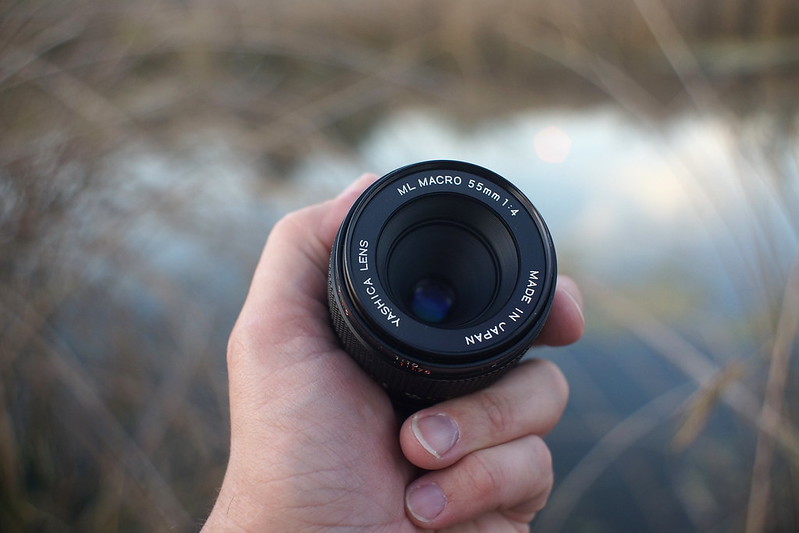
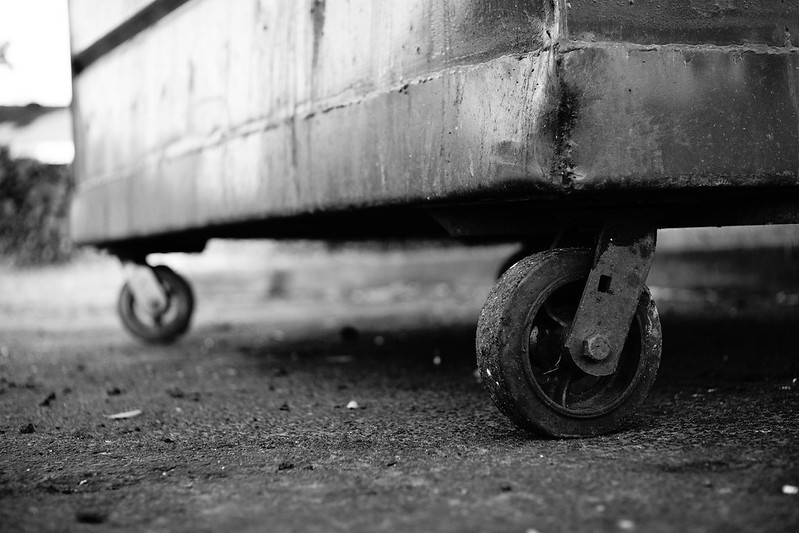
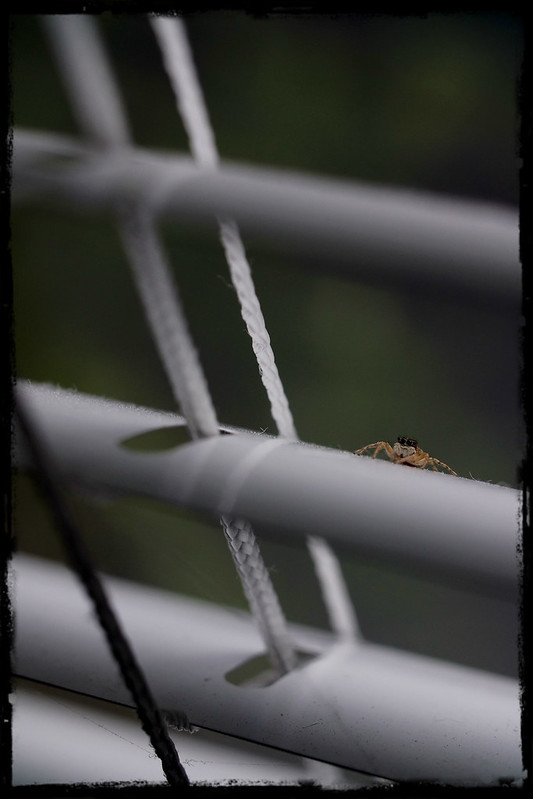
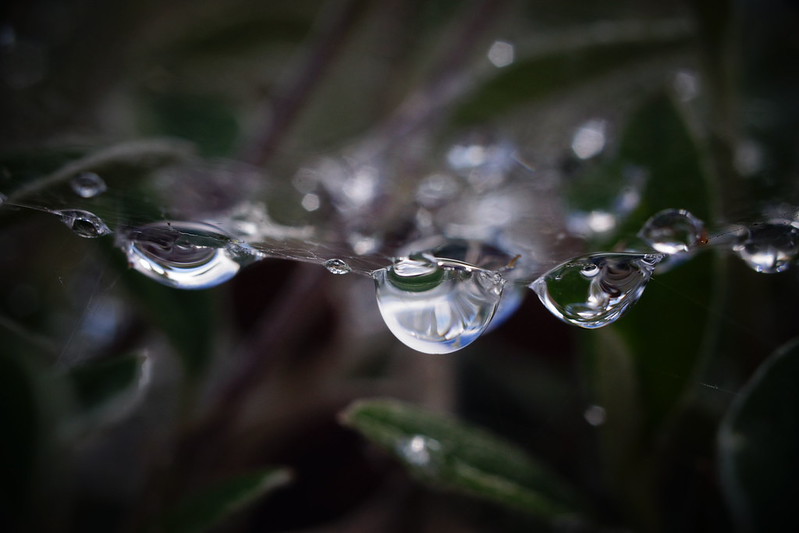
Let me clear something up I think has been misunderstood. By 'you rate a lens by the great photographs it takes' I do not mean some universal filter that will determine what is a great lens. Whether a lens is 'great' or not is up to the photographer using the lens. Case in point. One of my favorite lenses (which I consider to be a great lens) is the Yashica ML Macro 55/4. You will not find a lot of information on this lens on the web and what you do find will usually say that the later ML Macro 55/2.8 is the better lens. I have been fond of old Yashica lenses for a long time so when I was shopping for an ML macro lens for my C/Y Speedbooster this naturally was in the running. I decided to give the lens a chance even though it had little to no positive representation. This was due to its basic Tessar design (I like Tessars) and my very good experiences with ML lenses. Turns out the lens is a stunner. It took me much shooting to come to this conclusion, but at the end of the day I have figured out its strengths and weaknesses and how to apply those to my photography. For example, when stopped down its 5 bladed aperture can cause distracting out of focus effects when I put multiple light sources in the back of my photos which I do quite often. So I know to look for this and shoot wide open or even with another lens if this is going to be an issue. But other then this the lens is sharp as I will ever need and the Tessar bokeh it produces is unlike any other lens I own and very pleasing to me. So for me this lens is a great lens because I use it to take great photographs. Had I based my lens decision solely on what was said about the lens I would never had considered it.

my precious
10749999556_452e3d9bb6_c.jpg


love what it can do
8966160896_c6cc827d70_c.jpg


9272751518_0a3b3e4148_c.jpg


example of the pentagon aperture effects I dont like
9148312416_6b3b47bb3d_c.jpg


Forum's such as this attract enthusiasts, who are only too happy to tell you how happy they are, and at times, how unhappy they are. Here's the rub - complaints will ALWAYS garner more attention, and generate more posts, and consequently, a good lens will often find itself coming under unfair scrutiny, and other lenses of the same type will, by association, become 'tarred with the same brush', no matter how many millions of happy users there are. The trouble is, these 'amateur' reviewers are often non-objective, and fail to provide empirical evidence to back up their claims, often having no other experience than a few hours with a new DSLR, and a lens combination they don't understand, and aren't being used properly.

If you need advice, and aren't certain, go to a dealer you know you can trust. Try to use independents who tend to know what they are talking about. Try the lens, handle it, and if you're still not 100% certain, buy a second hand copy. You won't lose a lot of money, and may even make some if you find you are happy, and PX it for a new one, or decide to keep it and save a lot of money.

Here here, well said.
 
Haha. I had my forum warrior hat on when I posted that. :)

Let me clear something up I think has been misunderstood. By 'you rate a lens by the great photographs it takes' I do not mean some universal filter that will determine what is a great lens. Whether a lens is 'great' or not is up to the photographer using the lens. Case in point. One of my favorite lenses (which I consider to be a great lens) is the Yashica ML Macro 55/4. You will not find a lot of information on this lens on the web and what you do find will usually say that the later ML Macro 55/2.8 is the better lens. I have been fond of old Yashica lenses for a long time so when I was shopping for an ML macro lens for my C/Y Speedbooster this naturally was in the running. I decided to give the lens a chance even though it had little to no positive representation. This was due to its basic Tessar design (I like Tessars) and my very good experiences with ML lenses. Turns out the lens is a stunner. It took me much shooting to come to this conclusion, but at the end of the day I have figured out its strengths and weaknesses and how to apply those to my photography. For example, when stopped down its 5 bladed aperture can cause distracting out of focus effects when I put multiple light sources in the back of my photos which I do quite often. So I know to look for this and shoot wide open or even with another lens if this is going to be an issue. But other then this the lens is sharp as I will ever need and the Tessar bokeh it produces is unlike any other lens I own and very pleasing to me. So for me this lens is a great lens because I use it to take great photographs. Had I based my lens decision solely on what was said about the lens I would never had considered it.

my precious
10749999556_452e3d9bb6_c.jpg


love what it can do
8966160896_c6cc827d70_c.jpg


9272751518_0a3b3e4148_c.jpg


example of the pentagon aperture effects I dont like
9148312416_6b3b47bb3d_c.jpg


Here here, well said.
I think there's a bit too much hype surrounding equipment. I'm pretty sure I could reproduce the above with any f1.8 lens and probably my LX7 compact for that matter.

To be honest, I would always say the skill lies in the processing (because if the lens didn't produce the look on it's own, one's processing skills could) and lets be fair - we buy equipment because we all like our toys :)
 
I'm always a bit suspicious of the post saying such as 'This Sigma is far better than Canon's offering'. This can, mostly, be true when you are comparing a Sigma against a consumer lens, but when you start comparing them against the prosumer and Pro lenses, the comparisons blur - pardon the pun.

There are quite a few third party lenses that match or better the Canon/Nikon offerings. The days of Sigma being a maker of cheap alternative kit lenses ended years ago. Check out the reviews of their 35, 50 and 85mm f1.4's and their 18-35mm f1.8. Has there been anything from Canon recently to match that little list?

Canon and Nikon, and to a lesser extent Olympus, sony et al, have a huge research and development budget, and often refine and refine again the optical prescription of their lenses, until they are near perfect. No third party lens supplier can match this sort of development, especially where the make the lens in myriad mounts, and farm out some of the manufacturing. In all my years, I've only been able to single out Tokina ATX pro lenses, to be mentioned in the same breath as Canon and Nikon pro lenses.

Now here's the thing.... The likes of Canon and Nikon sell millions of lenses every year, and unless there is a problem, which they will usually acknowledge and put right, 99.9% of these lenes will be sold to people who are completely happy with them, and will not have any problems at all.

As above, there are third party lenses that are good alternatives to the camera makers lenses. I think you'd stuggle to find a comparison of the Sigma and Canon 50mm f1.4's that puts the Canon in first place... most seem to give the nod to the Sigma and the Sigma 85mm f1.4 is compared to the much more expensive Canon 85mm f1.2.

As for Canon putting problems right... a quick Google should provide you with some reliability/fault data that may well lead you to change your views.
 
You can't really 'rate a lens by the great photographs it takes' any more than you could rate a paint brush by the great pictures it paints.

I read this back before I went to work today on my phone but did not have the time to reply. I ruminated upon it on and off thru the day and came to the conclusion that Im not sure I agree with it.

As a bit of an artist myself I just can't agree with it as it's far too simplistic. An artist will probably have brushes they prefer but an artist doesn't have to use a brush as it comes nice an new from the shop or even have to use a brush at all but most people taking pictures with cameras do use lenses :D

There are a whole load of technical decisions when designing a lens and some will impact on the look of the final image, the shape of the aperture blades, how sharp the lens is in the centre and towards the corners etc... These aren't one size fits all things and what one likes another may not and once you've chosen a lens for better or worse you're stuck with the technical specification and how it's been manufactured and this will affect how the image looks to a greater or lesser degree.
 
I think there's a bit too much hype surrounding equipment. I'm pretty sure I could reproduce the above with any f1.8 lens and probably my LX7 compact for that matter.

To be honest, I would always say the skill lies in the processing (because if the lens didn't produce the look on it's own, one's processing skills could) and lets be fair - we buy equipment because we all like our toys :)
Phil you can no more recreate a lenses characteristics in post than you can recreate lighting.

That is; you can recreate it, but you're effectively painting a new image in Photoshop. The shape of the aperture isn't just effecting the highlights, it's bending all the OoF areas in a particular way too. The way different coatings reproduce colours are the 'easy' thing to recreate, but frankly, choosing gear that creates a 'look' you like is far easier than recreating stuff in post.

You might be able to create something 'close' with similar gear, but that's like accepting the bootleg Beatles as just as good as the real thing.

It sounds just like all those answers to recreating shallow dof and lens flare containing the helpful 'just do it in post'. Photographers ought to be able to tell the difference.
 
Last edited:
Using the Fuji 18mm f/2 and taking nice photos is all well and good when you're an award winning pro photographer who is well acquainted with its limitations and adept at post processing. The in depth reviews and comparisons I read about the lens I wouldn't buy it.

This somewhat inadvertently is confirming exactly my point in the original post. There is a perception based on review scores that something like a Fuji 18mm f2 is not a great lens, therefore people won't use it because they think their photography will suffer from it.

My point is that it won't make the slightest bit of difference in the real world, whether you're a skilled pro or an enthusiastic amateur. Therefore, at the extreme end of the scale, when a 'newbie' comes along wanting to shoot at 18mm, telling them to spend more money on a different lens because 'it's better', when in reality the differences are so painfully minute that they would likely never appreciate any difference whatsoever, just stinks of blindly following reviews without actually appreciating the bigger picture.

The Micro 4/3 Panasonic 14mm 2.5 is another interesting one, massively out of favour initially, poor reviews etc, then on places like MU43 many, many amazing photos started appearing taken using the little 14mm. I lost count of the number of people who then ignored the reviews, bought it anyway and loved it.
 
It's rare to see a modern lens like the Fuji 18mm being described by reviewers in terms of being a 'dog' and exhibiting dismal performance. If I was new to photography and might only have the money for one lens I wouldn't want to invest in something with poor review scores.
 
There are quite a few third party lenses that match or better the Canon/Nikon offerings. The days of Sigma being a maker of cheap alternative kit lenses ended years ago. Check out the reviews of their 35, 50 and 85mm f1.4's and their 18-35mm f1.8. Has there been anything from Canon recently to match that little list?


As above, there are third party lenses that are good alternatives to the camera makers lenses. I think you'd stuggle to find a comparison of the Sigma and Canon 50mm f1.4's that puts the Canon in first place... most seem to give the nod to the Sigma and the Sigma 85mm f1.4 is compared to the much more expensive Canon 85mm f1.2.

As for Canon putting problems right... a quick Google should provide you with some reliability/fault data that may well lead you to change your views.


This rather reinforces my arguement Alan. It doesn't matter what is written about any particular lens, you still have to make an objective decision based on your own experience, not that of others. Lens reviews, and the like are often
biased and unobjective, and written by those who have an axe to grind.

As for the 50mm 1.4 Canon, based on my own experience, I totally disagree that the Sigma is better. Having used both, this is an objective decision. I would buy the Canon again, in a heartbeat.

Lens reviews are a means to an end, not an end in themselves. Millions of people bought lenses before the advent of the internet, quite happily. I know this from 40 odd years of photography.The internet just tends to muddy the waters, and unless you can separate the wheat from the chaff, subjectively more difficult.

In the final analysis, look at what the professionals use. Sigma and Tokina both make fine fast telephotos, but do the majority of professionals use them?
 
Back
Top