Sig 150mm & 35mm f2 & a adapter ring, simply how?

Messages
4,367
Name
Steve
Edit My Images
Yes
I got another Sigma 150mm & got an adapter ring (72-52) so I could attach my Nikon 35mm f2 to it so I could get more than 1:1 (after reading about on here somewhere) - but the only thing is (gonna sound silly) but how do you go about using it this way :shrug:

I attached the Nikon to my Sigma which is attached to my D700 and tried to do a few shots but all that happend was that I was literally 1-2mm away from the subject in order to get it in focus... I tried to focus with the Nikon 35mm first then the tried focusing with the Sigma... Is this the correct way or am I missing something simple?
 
The 35mm reversed will give very high mag, around 4-5:1, which will necessitate very close working distances. You'll need flash on an arm or off the camera completely to light it.

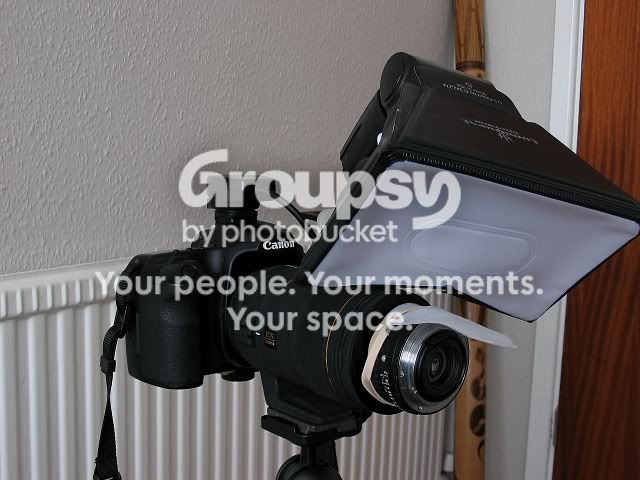
The way I get it to work with a 50mm reversed on the 150 is set the 150mm to infinity focus and wide open, then set the aperture on the reversed lens (around f/11, DoF is razor thin but any smaller and diffraction will really set in), then leave the focus rings as they are and move the camera in and out to get focus. The viewfinder will be very dim at this mag with the permanently stopped down reversed lens. I initially tried leaving the reversed lens wide open and stopping the 150mm down, but this gave horrible vignetting and distortions with the reversed 50mm. Might be worth playing around a bit to see if it's different with the 35 though.

R.e light, I found a diffused flash pointing down onto the subjects works best (similar to a dedicated end of lens mounted macro flash), then a piece of foam paper held onto the end of the lens with a rubber band diffuses it further and cuts down the amount of light reaching the subject in comparison to the background, which can avoid a completely black background if it is close enough to be lit.

Heres a pic:
IMG_2701es.jpg


It's certainly not easy to work with, but it can get some decent results with perseverance!


Bee close up. by Adamhawtin, on Flickr


For more magnification (but less extreme than the reversed lens method), extension tubes or a raynox supplementary lens are easier to work with.
 
Last edited:
Nice one Adam -many thanks for that much appreciated, only spent a couple of quid on the adapter so wasn't really bank breaking in order to give it a try...

When I get some patience and some time I'll give it another go... Thanks again thou :thumbs:
 
Careful you don't get hooked, "DIY style" macro is utterly addictive and immensely frustrating :nuts: :bonk:
 
Back
Top