Ahh the search for the Holy Grail

I've been searching for a processing style for years that looks more film like, works across the board and one that has longevity (I try ones, think they look good and then 6 months later don't like them).
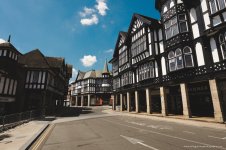
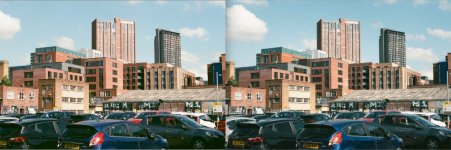
My take on it is that if you shoot raw it doesn't really matter which camera you shoot with, you can get them to look like each other within 95-99% accuracy. For example, this is just a quick edit and won't be exact as it's a different scene taken on a different day (3 years ago) with different light but it looks pretty close and it was shot on Sony.
View attachment 481540
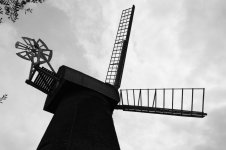
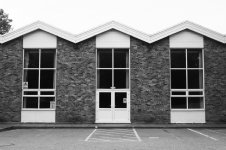
I've spent ages trying to replicate film and thought I'd cracked it a few weeks ago when I did these, one shot on film (Olympus OM1 wiht Fujifilm Superior) and one with the X-E5 I borrowed.
View attachment 481541
View attachment 481542
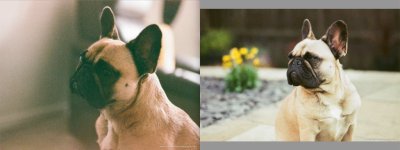
I was very happy with myslef until I applied the preset to different shots and they looked horrendous. I started taking a closer look at the shots I'd taken with film and of course with different scenes it looks completely different. Here's two photos of my dog, both taken with the same film, and the same film as the shots above. Look how different the 'processing looks'
View attachment 481543
It's made me realise that after all this time I've been chasing an impossible 'dream', there's no one preset that works for everything,.... unless it's true to life which film and film presets aren't.
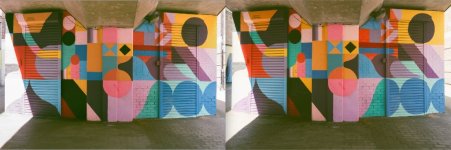
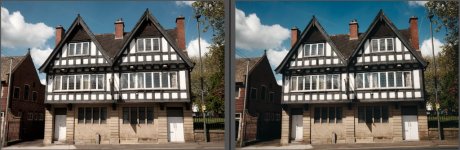
Back to your original question, I don't do a lot of processing but yes the photos have had colour and curve tweaks. I was hoping that I could shoot SOOC jpeg but unfortunately I can't get the Fuji Jpegs to look exactly how I want, mainly due to not being able to change the individual colours. To be fair they're not far off, and a lot closer than I can get out of Sony SOOC jpegs, but I've resigned myself to the fact I'm still going to have to shoot raw. Here's the comparison of the SOOC Jpeg on the left and tweaked JPEG (not raw) in lightroom On the right
Edit: the differences look more apparent on the original files on my computer
View attachment 481547