These Pentacon 135mm 2.8 and other such old lenses...

Messages
104
Edit My Images
No
I have read on a few occasions here and there about people buying these old East German and Russian lenses, stuff like the Pentacon 135 and similar.

They seem to sell on ebay for anywhere between £20 and £100 so are pretty cheap really.

So it begs the question, are they really a good lens for regular manual use with a modern DSLR (with an mount adapter obviously) or are they just a novelty that people buy cheaply, play with and then flog again?

Is the image quality you can get out of them as good as a modern lens?

I know nothing about these old lenses so thought I would ask! :thumbs:
 
Results can be excellent, but moreso, because they are cheap you can buy lenses with character too :) For example, the Helios 44 series produce nice swirly bokeh for very different portrait shots.
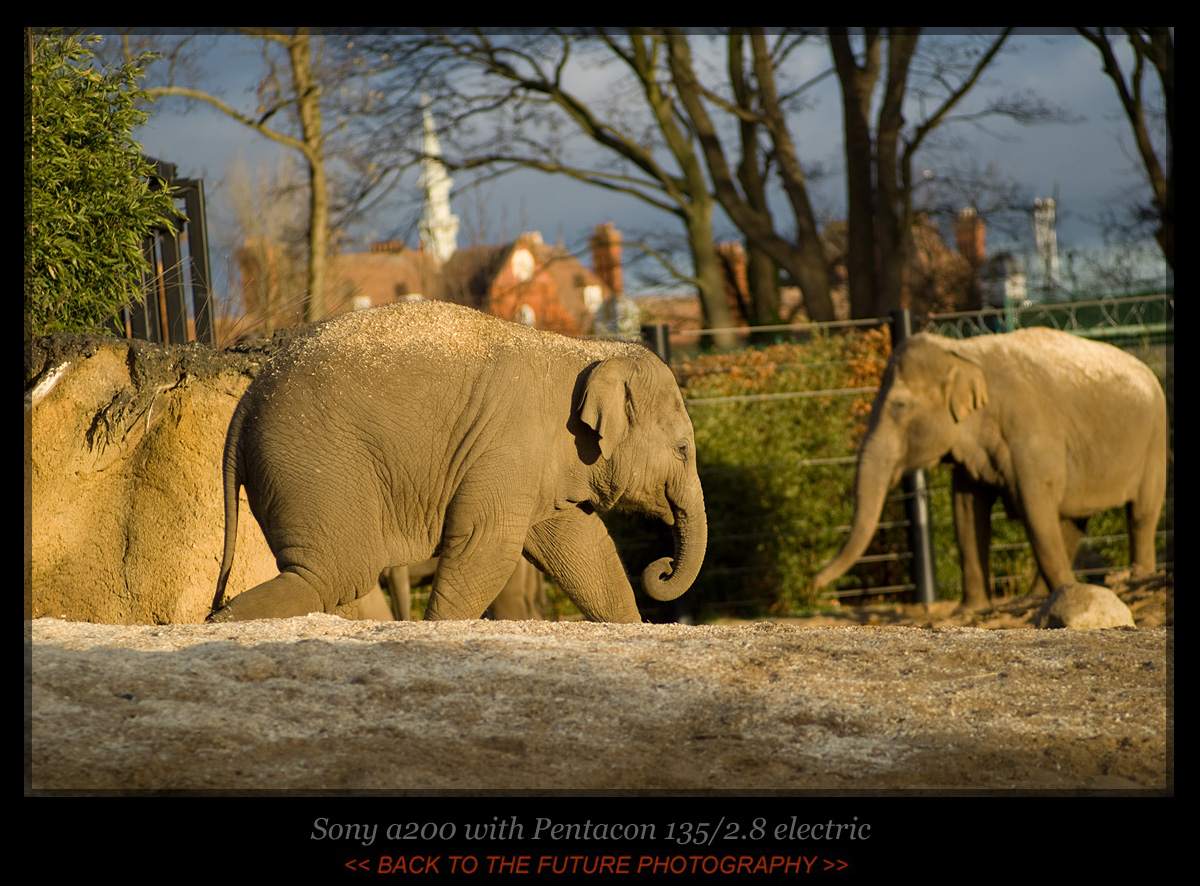
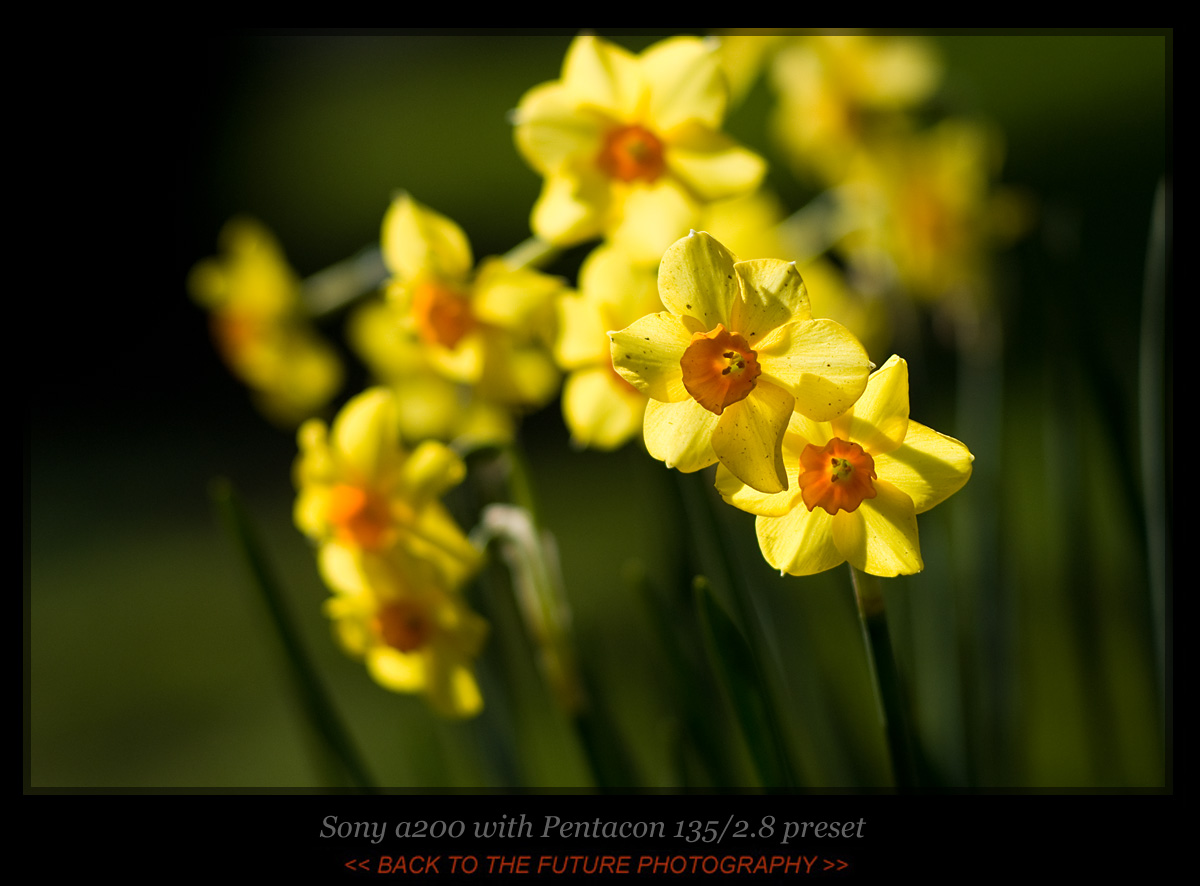
Here's some examples from my Pentacons...I prefer the preset version for its melt in your mouth bokeh :)


Photo #1 - Elephants at Dublin Zoo by ManualFocus-G, on Flickr


Photo #4 - Daffodils with the Pentacon preset by ManualFocus-G, on Flickr


Flamingo by ManualFocus-G, on Flickr


Sunflowers with the Sony a100 and Pentacon 135/2.8 preset (2) by ManualFocus-G, on Flickr

big_1032__MG_5938_1.jpg
 
Wow, those shots are really nice! Thanks for that :)

I have a Nikon D90 so might have to get myself an M42 adapter and have a browse on ebay for a nice old lens to try out.

I do fancy a Pentacon 135.. little worried I might get a duff though as the condition of them seems to vary hugely.
 
Old SLR lenses are a good source of cheap primes, but all-manual lenses are tedius to use and those East German Pentacons were never that good, relatively speaking, even in their day.

Can't really hold a candle to something like a Canon 135L 2 in terms of ultimate image quality, but a fraction of the price. Use them for their 'character' and more methodical way of working rather than optical excellence.
 
They often make a lot of sense because many of the classic prime focal lengths are based on relatively simple optical designs, and as a result the modern lens will often have its elements in the exact same formation as the cheap prime from the past.

The Nikon 50mm is a classic example. Modern lenses give you things like more advanced multicoating and aspherical elements, but that's the only major difference.
 
Not many in my stable from Pentacon but I do have a fair few different MF lenses in different mounts with various adapters although the main one I used was my Nikon as it gave by far the best results.

Nikon 28mm f/2.8:
5392251977_016be1c515_z.jpg


Nikon 28mm f/2.8:
5683385716_12da201711_z.jpg


Same again:
2_by_peeprox1991-d2xp914.jpg


And again:
prunus_grandulosa_by_peeprox1991-d2yl8lq.jpg


I have five or six MF lenses but it looks like the shots from the Nikon lens are the only ones that get past my sharpness scrutiny :bang:
 
Was the last one shot through a window or something? There's some artifacts that throw me a bit in that photo.
 
Some of these old lenses are nails but many,even the budget ones can give superb results,my reason for using them on occasions is to give a bit of variety in the auto world and I love the results they give

Vivitar TX 30mm f5.6

4236154319_e10e158cbc_o.jpg


3131546936_c211b15095_o.jpg


Soligor 135mm f2.8
3130716301_cdc0f5b53e_o.jpg
 
50mm and 135mm lens designs don't seem to have changed a lot over the years, so these will generally produce excellent results, depending on the brand. For Nikons, there are plenty of manual Nikkors about which will give very decent results.

For Canon, there are plenty of options. I use Carl Zeiss lenses designed for Contax SLRs, and the results are incredible. The lenses are very, very similar to the Z line, but at a significant reduction in price.
 
Look at the Samyang range if you want optical excellence in a cheaper manual lens.
 
Look at the Samyang range if you want optical excellence in a cheaper manual lens.

Yes :thumbs:

Modern optics, very low f/numbers, and manual focus but auto metering and aperture control. Changing the focusing screen makes manual focusing easier, and you can see the DoF effect better.
 
Was the last one shot through a window or something? There's some artifacts that throw me a bit in that photo.

Nope, just shot with a cheap UV filter, no hood and obviously a strong light source in the frame. Obviously the coatings on the glass can't cope nearly so well with this kind of lighting as modern optics.
 
Back
Top