UV filters...not needed?

Messages
205
Edit My Images
Yes
Am I right in thinking that UV filters don't really do anything for dslr?

Read too much conflicting info on the internet, thought someone experienced could shed some more light on it?

Thanks
 
That's my understanding as well, not needed for DSLRs. They can be useful as lens protectors from the elements under certain situations though, seaside, woods etc.
 
From what i have heard most lenses are coated with UV protection as it is but all my lenses have a uv on to prevent scratches and dust getting on the fron element.
 
on some reviews I read on uv filters before buying it was suprising to see how much light some of them block out as this can only damage the quality of the image from what I have read.
having spent £40 on a good one will not be buying any more for the other lenses
 
Depends what you want it for - to protect the lens maybe worth having, otherwise no.
 
Replace uv filter = ~£40. Replace damaged lens ~£1,000+.

Fairly straightforward, I'd think.

And I'm willing to bet that given say 10 pics taken with uv and ten from the same shoot without, no-one could reliably tell the difference.
 
jon ryan said:
Replace uv filter = ~£40. Replace damaged lens ~£1,000+.

Fairly straightforward, I'd think.

And I'm willing to bet that given say 10 pics taken with uv and ten from the same shoot without, no-one could reliably tell the difference.


I'd rather spend the money on gear insurance.
 
jon ryan said:
Replace uv filter = ~£40. Replace damaged lens ~£1,000+.

Fairly straightforward, I'd think.

And I'm willing to bet that given say 10 pics taken with uv and ten from the same shoot without, no-one could reliably tell the difference.

I've never used a uv filter. A waste of money and can degrade iq (if you don't believe this do a google search) and can induce flare.

In all my photography years ive never had a damaged front element. I use common sense and lens hoods, far more effective!
 
i used to use UV filters but these days its hood over a UV filter every time here. unless youre going into a really "hostile" environment (i.e. flying sand, saltwater, grit) i wouldnt bother to be honest.
 
I've been reading these "to filter or not to filter" threads with interest over the last few months.......

I got my first DSLR in Dec 2007 (a 400D and sigma 18-200mm) and the lens had a UV filter on it from day one!

When I upgraded to my 7D and 15-85mm in January I ordered a UV filter with it but as a result of reading this kind of thread, the filter has been safely tucked away in my camera bag and I've always used my lens hood.

As I was packing away my old camera, I gave it a quick clean and noticed there were no scratches or marks on the filter so what was the benefit of it? Probably nothing.

If I was going to take pictures in a more hostile environment, perhaps somewhere where there was a possiblity of stones being flicked around then I'd definitely put the filter on, otherwise as Odd Jim says, common sense and a lens hood for me ;)
 
I'd rather spend the money on gear insurance.

I agree. I was reading a blog post the other day about the matter. It explained that UV filters would not protect against all instances of front end impact (ie. an impact hard enough to damage the lens will just break straight through a filter anyway), and that there are plenty of other bits of the lens susceptible to damage that go unprotected. So why not pay for insurance that covers all manner of lens damage, instead of using a UV filter, which is akin to buying car insurance that only covers front end damage, and only in certain circumstances.

But on a personal note, after suffering with images being ruined by a UV filter when I first ventured into photography, I choose not to use one. But I mightn't be so vocal about it if Arkady was still here. :naughty:
 
I've been hearing this `can degrade IQ and cause flair` argument for years. Under forensic examination perhaps there may be a tiny degree of degradation, but not enough to be noticeable, I reckon. Certainly not as much as may be caused by haze in the air, using high ISO or being half a stop out on exposure.

But it's horses for courses. Much of my work is press, which means being out in some hostile conditions, and leaving the UV on at all times is habit. No-one has complained that my shots have suffered as a result. (I always have a hood fitted as well for extra protection).

I have yet to see anyone produce definitive examples of how, in day-to-day use, a decent uv degrades IQ. On the other hand, I have considerable personal experience of cleaning the crud from a filter, having to wipe it every other shot to remove drizzle and mud, during a day shooting rugby or horses, say, which would otherwise have been stuck on the front element of an expensive lens. I know which I prefer to have to give a vigorous seeing too:bonk:
 
Miss Moo!! said:
Maybe buy a clear lens if its just for protection :)

Still give you flare, iq loss etc.

I'll say again - lend hood!
 
I've been hearing this `can degrade IQ and cause flair` argument for years. Under forensic examination perhaps there may be a tiny degree of degradation, but not enough to be noticeable, I reckon. Certainly not as much as may be caused by haze in the air, using high ISO or being half a stop out on exposure.

But it's horses for courses. Much of my work is press, which means being out in some hostile conditions, and leaving the UV on at all times is habit. No-one has complained that my shots have suffered as a result. (I always have a hood fitted as well for extra protection).

I have yet to see anyone produce definitive examples of how, in day-to-day use, a decent uv degrades IQ. On the other hand, I have considerable personal experience of cleaning the crud from a filter, having to wipe it every other shot to remove drizzle and mud, during a day shooting rugby or horses, say, which would otherwise have been stuck on the front element of an expensive lens. I know which I prefer to have to give a vigorous seeing too:bonk:


good post :)
 
Each to their own, here, I guess. I bought a couple of good UV's for my lenses, found I was having all kinds of problems with focussing and image quality, and decided from there to rely only on lens hoods.

I don't take photographs where mud, blood, spit or other grunge would ordinarily splash on my lens, so take the view that less is more....
 
I've been hearing this `can degrade IQ and cause flair` argument for years. Under forensic examination perhaps there may be a tiny degree of degradation, but not enough to be noticeable, I reckon. Certainly not as much as may be caused by haze in the air, using high ISO or being half a stop out on exposure.

But it's horses for courses. Much of my work is press, which means being out in some hostile conditions, and leaving the UV on at all times is habit. No-one has complained that my shots have suffered as a result. (I always have a hood fitted as well for extra protection).

I have yet to see anyone produce definitive examples of how, in day-to-day use, a decent uv degrades IQ. On the other hand, I have considerable personal experience of cleaning the crud from a filter, having to wipe it every other shot to remove drizzle and mud, during a day shooting rugby or horses, say, which would otherwise have been stuck on the front element of an expensive lens. I know which I prefer to have to give a vigorous seeing too:bonk:

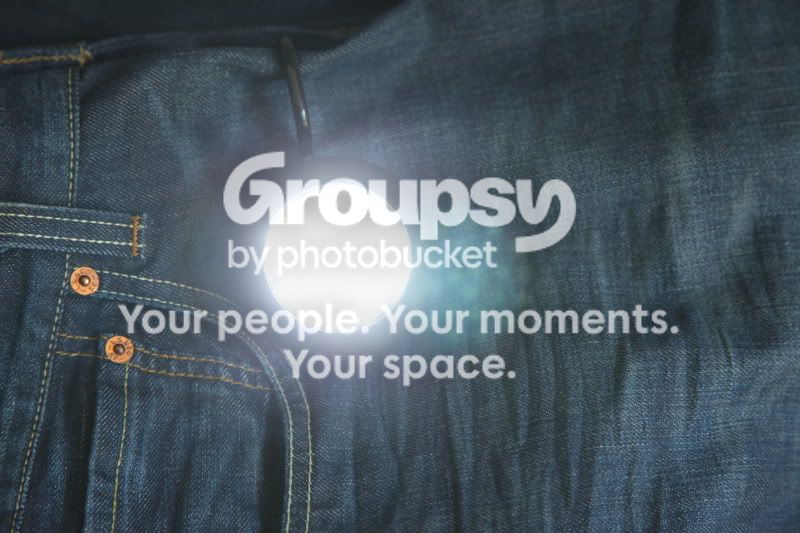
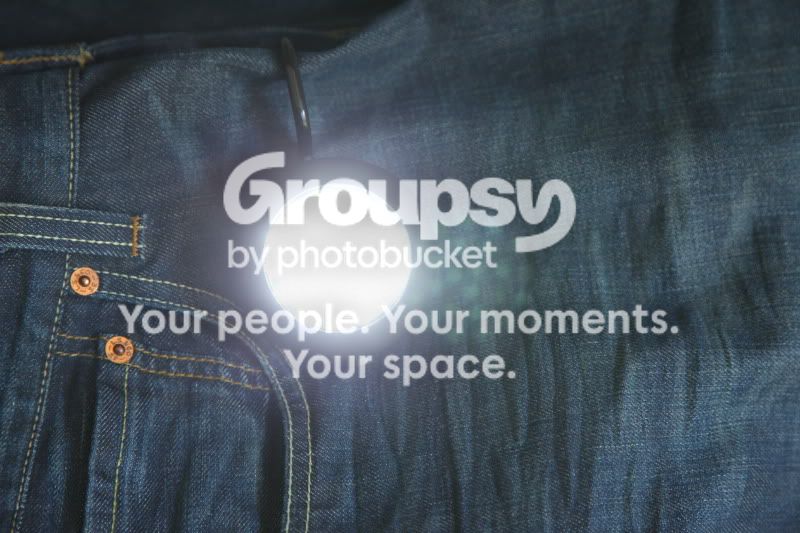
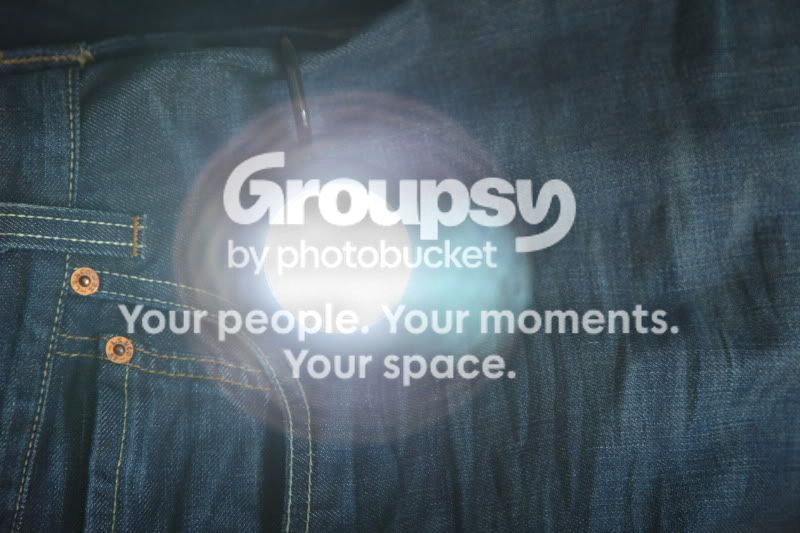
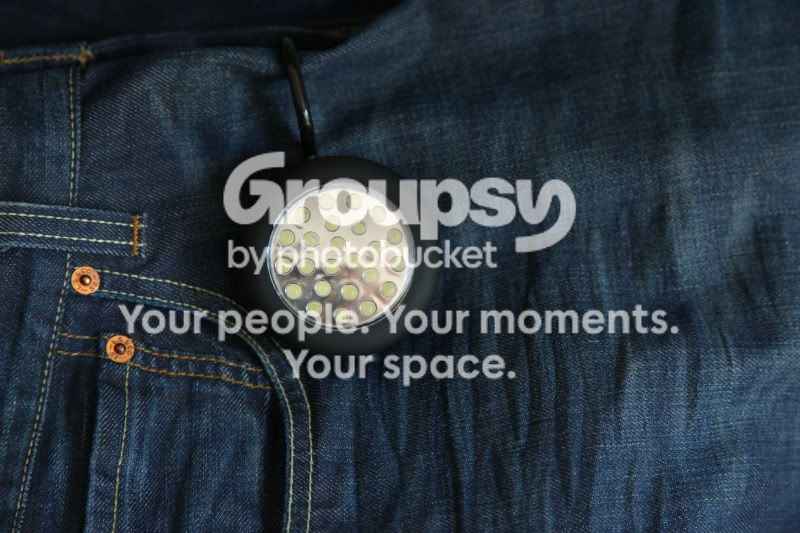
Here you go then. I think this is a fairly representative real world test, like a sunset maybe. This is with a Hoya Pro1-D UV filter, multi-coated and just about the best you can get, in front of a Canon 24-105L lens which is generally pretty good in the flare department. Light is a little battery powered LED jobbie. Exposure and white balance locked. Also now with a cheapy grad added.

The first thing to say is that pointing the camera at a bright light source is a bad idea - it just washes out contrast all over the frame. But if you do, a filter will make things worse. Note how the flare patch around the light itself is bigger, and the ghost image reflected off the sensor (and back again off the rear of the filter) is brighter.

This kind of thing doesn't show up often, and it's most visible when the light is in the middle, but if you shoot sunsets or maybe street lights at night, car headlights, that kind of thing against a dark background, that's what you'll get with a filter. The worst filters for this tend to be resin grads (third picture) - there's more flare within the material itself, which is essentially plastic, and they're uncoated so the ghosting is brighter. However, unlike UV, they actually do something useful!

PS I miss Arkady :'( These dabates were much more entertaining with him around :D

With Hoya Pro1-D UV filter
IMG_3828.jpg


No filter
IMG_3827.jpg


Cheap grad - uncoated resin (as they all are) but they're not all quite this bad
IMG_3829.jpg


Light off
IMG_3830.jpg
 
Last edited:
Hi thanks for all the replies, interesting to read the different takes on this topic.

HoppyUK thanks for the visual explanation. I decided to pass on spending on UV filters for my modest range of lenses for now. Although I heard they provide good protection I think a lens hood would be a better spend of my somewhat limited cash funds.
 
A UV will knockdown reflections such as on a painted surface, glass or water. It is no just for front element protection. There is such thing as a clear filter which is just what it sounds like offers no UV, blue, or other filtering properties, strictly for protection. A UV not only protect the front element but protects your investment as well as over time UV light will"damage" - have an effect on the internals of you lens and body. For example change the colour of you black internals to something other than black. I think it is good practice and have a UV on every lens I own. I've posted lots of images and know ever said, did you use a UV, should have taken off your UV or your UV cost you quality. As the above post shows the UV dose not hurt but it can save the day.....
 
DucDuc said:
A UV will knockdown reflections such as on a painted surface, glass or water. It is no just for front element protection. There is such thing as a clear filter which is just what it sounds like offers no UV, blue, or other filtering properties, strictly for protection. A UV not only protect the front element but protects your investment as well as over time UV light will"damage" - have an effect on the internals of you lens and body. For example change the colour of you black internals to something other than black. I think it is good practice and have a UV on every lens I own. I've posted lots of images and know ever said, did you use a UV, should have taken off your UV or your UV cost you quality. As the above post shows the UV dose not hurt but it can save the day.....

Sorry, none of this is true.

The uv filter will not protect the internals from uv damage in any way! Uv light doesnt damage the internal workings of a camera. The high pass filter in front of the sensor has a built in uv filter anyway, hense the lack of need for on in a dslr.

Also, it won't cut reflections. It has no visual impact on a dslr. The only filter that does this is a polariser.
 
Last edited:
Replace uv filter = ~£40. Replace damaged lens ~£1,000+

Chance of a filter breaking compared to a lens breaking = ~20x
Replace decent quality UV filter = ~£70
Replace 20 UV filters = ~$1400
Replace front element of lens = ~£250

Fairly straightforward, I'd think.

Sure is - filters make no sense economically (unless you're the Jessops salesdroid who makes a fortune every time they sell some mug a £2 bit of window glass for £40).
 
As from Nikon's website regarding filters:

Using a filter for general lens protection.
The Nikon NC (Neutral Color) and L37C filter (D-SLR only) are recommended for protecting camera lenses, the NC filter is manufactured solely for this purpose and does not affect colour balance, the L37C filter is multi-layer coated and eliminates ultraviolet light which can reduce contrast and detail slightly. The discontinued Skylight L1BC is not recommended due to it's slight pink colour which may effect color balance.


It can be found here Nikon Filters incase any one wants to read it for themselves...

:thinking: So how many of you ask when buying lenses - "does the lens have any scratches" :shrug: & if it does, do you offer less than the asking price or do you still buy it or just give it a total miss & go and see if you can get a "perfect" lens :shrug:

For what its worth - I use Nikon's NC filters on my lenses - just for protection purposes & for piece of mind & I cant see any difference with it on or off any of them....
 
I'd rather spend the money on gear insurance.

What if you are in the middle of a shoot? i.e. a pebble flies across and hit your lens when you are shooting motor sport. Or a guest knocked a bottle of wine at your lens.

Call up Aaduki and ask them to courier one over in 15 mins?

Or

Do you take off the filter and carry on?

It's not about money, its about getting the job done. The job being the shoot you are working on.

If however, photography is a hobby, and you take photos of trees and stars, then not getting the shot won't mean you get your ass sued then by all means, no need for a filter. Just go back and shoot the same tree next week.

You can't ask the bride and all her guests to come back next week. Nor can you ask that racing car to race again next week.
 
Last edited:
The problems Hoppy highlighted are exactly the sort of problem I had, plus, the AF didn't work properly. Took my UV's off, no more problem.

You believe what you like, and I hope you will forgive me if I do too.
 
Here you go then. I think this is a fairly representative real world test, like a sunset maybe. This is with a Hoya Pro1-D UV filter, multi-coated and just about the best you can get, in front of a Canon 24-105L lens which is generally pretty good in the flare department. Light is a little battery powered LED jobbie. Exposure and white balance locked. Also now with a cheapy grad added.

The first thing to say is that pointing the camera at a bright light source is a bad idea - it just washes out contrast all over the frame. But if you do, a filter will make things worse. Note how the flare patch around the light itself is bigger, and the ghost image reflected off the sensor (and back again off the rear of the filter) is brighter.

This kind of thing doesn't show up often, and it's most visible when the light is in the middle, but if you shoot sunsets or maybe street lights at night, car headlights, that kind of thing against a dark background, that's what you'll get with a filter. The worst filters for this tend to be resin grads (third picture) - there's more flare within the material itself, which is essentially plastic, and they're uncoated so the ghosting is brighter. However, unlike UV, they actually do something useful!

PS I miss Arkady :'( These dabates were much more entertaining with him around :D

With Hoya Pro1-D UV filter
IMG_3828.jpg


No filter
IMG_3827.jpg


Cheap grad - uncoated resin (as they all are) but they're not all quite this bad
IMG_3829.jpg


Light off
IMG_3830.jpg

So, no difference between uv and no uv from that example.

And is that anyway a definitive test? Of the 2,000-odd shots I've taken this week, not one was directly into a light source.
 
Chance of a filter breaking compared to a lens breaking = ~20x
Replace decent quality UV filter = ~£70
Replace 20 UV filters = ~$1400
Replace front element of lens = ~£250


Sure is - filters make no sense economically (unless you're the Jessops salesdroid who makes a fortune every time they sell some mug a £2 bit of window glass for £40).

Interesting! Can you tell us how you arrived at these numbers?
 
As from Nikon's website regarding filters:

Using a filter for general lens protection.
The Nikon NC (Neutral Color) and L37C filter (D-SLR only) are recommended for protecting camera lenses, the NC filter is manufactured solely for this purpose and does not affect colour balance, the L37C filter is multi-layer coated and eliminates ultraviolet light which can reduce contrast and detail slightly. The discontinued Skylight L1BC is not recommended due to it's slight pink colour which may effect color balance.


It can be found here Nikon Filters incase any one wants to read it for themselves...

:thinking: So how many of you ask when buying lenses - "does the lens have any scratches" :shrug: & if it does, do you offer less than the asking price or do you still buy it or just give it a total miss & go and see if you can get a "perfect" lens :shrug:

For what its worth - I use Nikon's NC filters on my lenses - just for protection purposes & for piece of mind & I cant see any difference with it on or off any of them....

There's a lot of complete nonsense in that Nikon link...
 
So, no difference between uv and no uv from that example.

And is that anyway a definitive test? Of the 2,000-odd shots I've taken this week, not one was directly into a light source.

I shoot into the sun/light source on purpose...a LOT.

IMG_3614.jpg


IMG_6038.jpg


IMG_6341.jpg


etc etc etc

It's fun!
 
There's a lot of complete nonsense in that Nikon link...

Which part - the first or second sentence :thinking: or all of it :shrug:
 
edit: They're showing now... Post deleted
 
Last edited:
I seem to have accidentally mixed up the example shots - can you point out which was the one with the filter, which without, please?

91ad1bc6.jpg


8631f707.jpg
 
I seem to have accidentally mixed up the example shots - can you point out which was the one with the filter, which without, please?


1st image YOU posted is without & the 2nd is WITH.... The difference being is the amount of "blue dots" from the light...

or you could just go back a page to post #22 :lol:
 
Which part - the first or second sentence :thinking: or all of it :shrug:

Sorry, I should have been more specific. But in particular:

"eliminates ultraviolet light which can reduce contrast and detail slightly" is untrue. UV is not a problem with digital.

"graduated filter will affect the white balance setting" is misleading. Just about the only grad anybody uses is an ND grad, and that does not affect white balance.

"using graduated filters intended for 35mm film cameras such as the Cokin or Lee filter systems, the area of graduation will cover more of a digital camera image" just doesn't make any sense.
 
Back
Top