What is an anti-aliasing filter

Messages
940
Name
Chris
Edit My Images
Yes
Hello
What is an anti-aliasing filter and why is it used?
Everywhere you read seems to suggest that camera bodies without it give sharper results before PP, I assume that with it being a "filter" it is an extra item added to the body, so why would a manufacturer go to the expense of adding such a thing to get less sharp images?
It doesnt make any sense to me at the moment?
Thanks
 
Hello
What is an anti-aliasing filter and why is it used?
Everywhere you read seems to suggest that camera bodies without it give sharper results before PP, I assume that with it being a "filter" it is an extra item added to the body, so why would a manufacturer go to the expense of adding such a thing to get less sharp images?
It doesnt make any sense to me at the moment?
Thanks

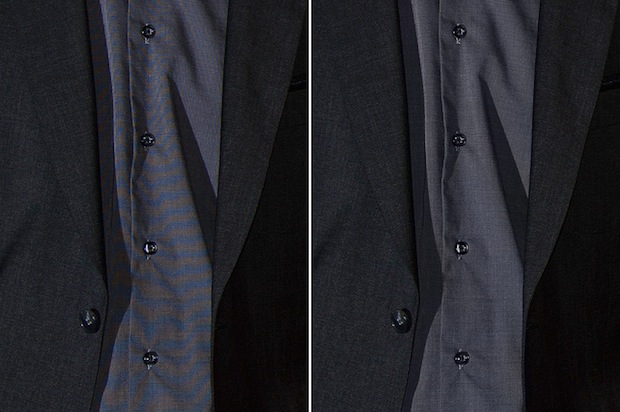
The aa filter adds a little blur to the image to try and stop thise strange happenings when photographing certain patterns for example someone wearing a very fine pin striped shirt. I have recently purchased a 7100 and conpared to my old body its much sharper. The noise is more visible but it retains far more detail. If you add the same blur in pp as the aa filter would though the noise isnt an issue.
 
The aa filter adds a little blur to the image to try and stop thise strange happenings when photographing certain patterns for example someone wearing a very fine pin striped shirt. I have recently purchased a 7100 and conpared to my old body its much sharper. The noise is more visible but it retains far more detail. If you add the same blur in pp as the aa filter would though the noise isnt an issue.

Thanks but that still doesnt make alot of sense to me as to why it would be used in the first place. If pictures are sharper without it and more detail is retained and also the blur/effect can be added in PP then why have it at all?
Why would manufacturers spend money to make a picture less sharp if that can be done in PP.
I can see why it would be used on a point and shoot compact but not on an expensive DSLR, I would have thought that the majority of people buying those types of camera would do some PP anyway?
Thanks:bang:
 
Thanks but that still doesnt make alot of sense to me as to why it would be used in the first place. If pictures are sharper without it and more detail is retained and also the blur/effect can be added in PP then why have it at all?
Why would manufacturers spend money to make a picture less sharp if that can be done in PP.
I can see why it would be used on a point and shoot compact but not on an expensive DSLR, I would have thought that the majority of people buying those types of camera would do some PP anyway?
Thanks:bang:

Why does nt it make a lot of sense...
"When digital cameras first emerged an AA filter was necessary to creat enough blur to prevent moire patterns".
Simple.
:D
 
The biggest reason used to be to stop colour moire in a repeating pattern - when shooting silk based clothing it happens even with SLRs with quite heave AA filters and can be very difficult to correct in post.

As the number of pixels has increased it's become less and less of an issue and so manufacturers offer non AA versions.
 
Having a AA filter basically reduces the moire effect.

example pic here or with and without the filter :

moire1.jpg


http://petapixel.com/2013/08/29/nikon-patent-shows-onoff-switch-for-anti-aliasing-filter/
 
Thanks but that still doesnt make alot of sense to me as to why it would be used in the first place. If pictures are sharper without it and more detail is retained and also the blur/effect can be added in PP then why have it at all?
Why would manufacturers spend money to make a picture less sharp if that can be done in PP.
I can see why it would be used on a point and shoot compact but not on an expensive DSLR, I would have thought that the majority of people buying those types of camera would do some PP anyway?
Thanks:bang:

It prevents aliasing.

You need to understand what aliasing is. Have a look at http://en.wikipedia.org/wiki/Aliasing

In image sensor terms, it is caused by detail that when projected onto a sensor is smaller that the size of the individual Pixels. There's no way that a camera can use this information and it causes problems like Moire. So video cameras have a low-pass filter that only passes information that can be used and blurs higher detail stuff. DSLRs may have an optional optical filter or may apply the blurring in the processing to go from high megapixels to ~2 megapixels.

You can't fix aliased video in post production. You delete it and re-shoot.
 
Hello
What is an anti-aliasing filter and why is it used?
Everywhere you read seems to suggest that camera bodies without it give sharper results before PP, I assume that with it being a "filter" it is an extra item added to the body, so why would a manufacturer go to the expense of adding such a thing to get less sharp images?
It doesnt make any sense to me at the moment?
Thanks

An aliased image isn't sharp - it just looks a little sharper due to aliasing effects on edges.

These aliasing effects are very detrimental to image coding (e.g. JPEG) and filters (e.g. scaling).
 
You can't fix aliased video in post production. You delete it and re-shoot.

Which is why if you're going to be on TV, the producers will ask you not to wear clothing with a fine detail repetitive print (fine check or stripes etc). It's really obvious when someone igonres the advice (game show contestant often) 'cos it looks terrible.
 
Which is why if you're going to be on TV, the producers will ask you not to wear clothing with a fine detail repetitive print (fine check or stripes etc). It's really obvious when someone igonres the advice (game show contestant often) 'cos it looks terrible.

At HD, it's more a problem on things like tweed.
 
Why does nt it make a lot of sense...
"When digital cameras first emerged an AA filter was necessary to creat enough blur to prevent moire patterns".
Simple.
:D

It didn't make alot of sense because almost every one that has bought the Nikon D7100 that upgraded from the D7000 has said how much sharper the picture quality is because of the D7100 not having an anti aliasing filter where the the D7000 has.
Thank you to all others who have given an explanation of what it is for and helping me understand, it does make sense that the higher the MP the less there is a need for the AA, now that I know that is, and why the more expensive higher MP cameras do not have it.
 
It didn't make alot of sense because almost every one that has bought the Nikon D7100 that upgraded from the D7000 has said how much sharper the picture quality is because of the D7100 not having an anti aliasing filter where the the D7000 has.
Thank you to all others who have given an explanation of what it is for and helping me understand, it does make sense that the higher the MP the less there is a need for the AA, now that I know that is, and why the more expensive higher MP cameras do not have it.

Dont just think thay the 7100 is the 7000 with out the aa and higher mp. The 7000 is a cracking body... but the 7100 is a cracking body +1 haha
 
Back
Top