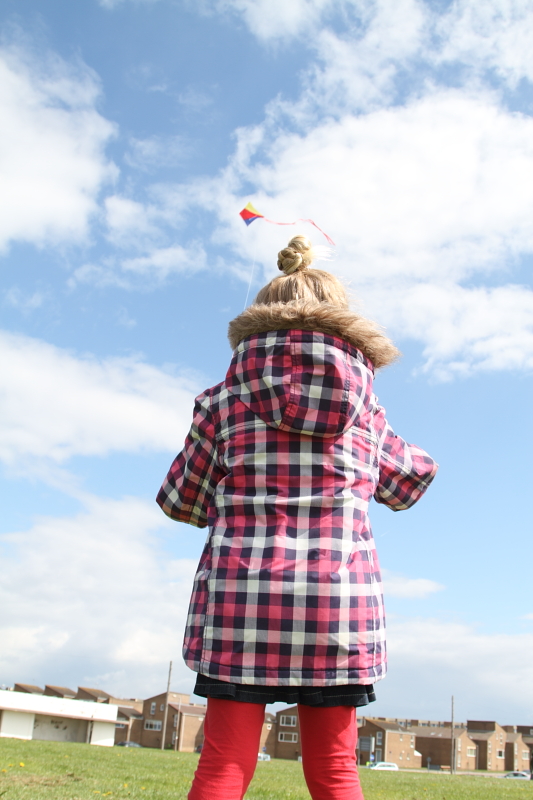
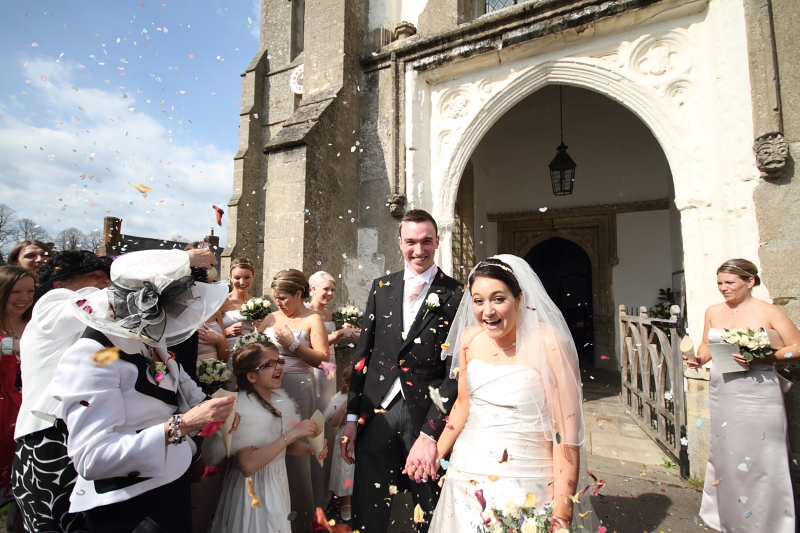
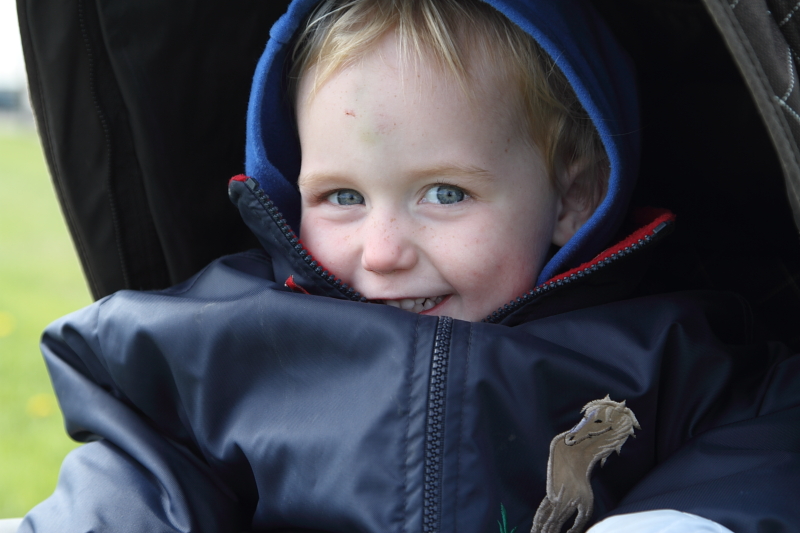
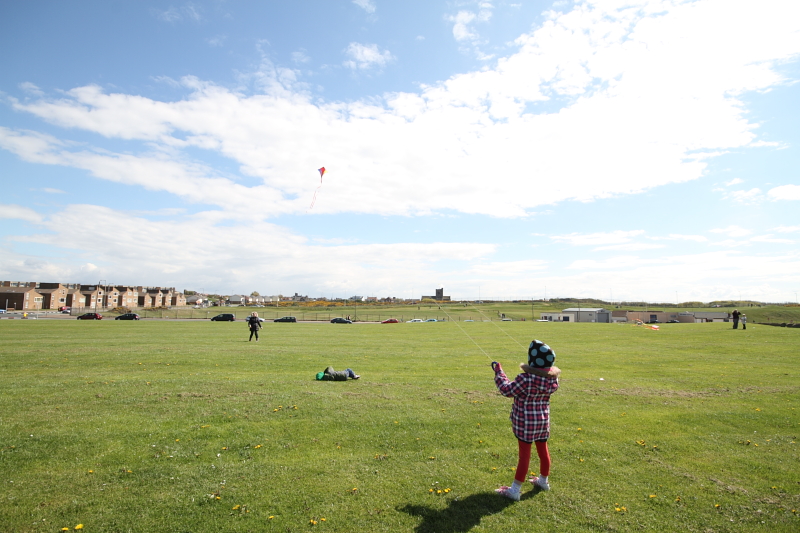
Those exposures are fine, as expected shooting most of them in Auto as well. If you want more control over the final outcome, then start shooting more in Av, etc.
I was with you all the way until you said "Av" at the end there. Did you mean Manual?
Autoexposure is not very clever, left to its own devices. It assumes the subject/scene is a middle tone unless you tell it different. In tricky lighting it can easily make assumptions that don't work well for the scene as a whole. Sometimes (most times) that requires evaluation of the subject/scene by the photographer and some input from him/her to tell the camera what it needs to know when coming up with its best guess at the exposure. If your subject/scene is darker than "middle grey" then you need to tell the camera. Ditto for subjects/scenes that are brighter than "middle grey".
In general terms, evaluative metering is a fickle beast and can catch out the unwary. While the metering does look at the whole scene, the exposure is influenced most strongly by the tones at the point where you focused, less so by the tones surrounding that focus point, and much less so elsewhere in the frame. In other words, if you focus on a dark subject, or dark area, then the camera will brighten up the exposure. If you focus on paler tones then the exposure may come out darker than you like.
As far as evaluative metering on the 7D is concerned, I have read that with its colour aware meter the 7D can expand the area which it considers to be the subject, by including areas of the scene of similar tone and distance to your subject (focused point) to have equal importance in influencing the exposure.
If you are going to do things like shoot at the shaded side of your subject while including brightly sunlit clouds in the scene it is more than likely you will need to step in and take some control. If you focus on a groom dressed in black, with a sunlit bride right beside him, you might well find the bride to be overexposed. The Exposure Compensation dial is there to be used. You can't simply point the camera at anything and everything and expect a perfect result without any input on your part. The EC dial is one tool you can/should use. The histogram and blinking highlight warnings after you've taken the shot are a couple of others.
If you have scenes of high dynamic range, or where nailing exposure accurately is tricky, then shooting raw and using good raw editing software will help you retrieve some image detail that might be lost forever when shooting JPEG. However, it is still important to try to get a perfect exposure in the first place, rather than always relying on raw as a safety net to bail you out.
There is a general rule (guideline) for digital photography, especially when shooting raw, which is to expose for the highlights and develop (edit) for the shadows. To do that well requires input from the photographer. If you just leave things to autoexposure, especially in evaluative metering mode, your results will tend to end up exposed for the subject (possibly wrongly) and b****r anything else in the scene.
My prefered approach, when I want to get my exposures spot on, is to use manual exposure and to spot meter off something that allows me to set my exposure very precisely. If I have time and need then I may well fire off a test shot and verify that my exposure setting is good before moving on. If I need to make an adjustment then I do. I'm not infallible either.
Here is one example of mine where I used manual exposure to lock in an exposure that was correct for the lighting conditions at the time. It has the histogram pegged very precisely at the right hand edge, with an exposure that is about as good as one could hope for. If I had tried to follow this bird in flight as it flew from a background of bright sky to one of shaded trees, using autoexposure, my exposures would have been all over the place, and many would have been disappointing to say the least. With manual exposure I was in charge and got the results I wanted from the first press of the shutter button.
If I had used autoexposure for this shot I couldn't even tell you what the result might have been as I have no idea how the camera would evaluate the scene. By the time I found out it might well be too late.
Here's another example. I'd say this would be a tricky scene for autoexposure to get just right. By setting my exposure manually I had no difficulty in getting things dialed in perfectly....