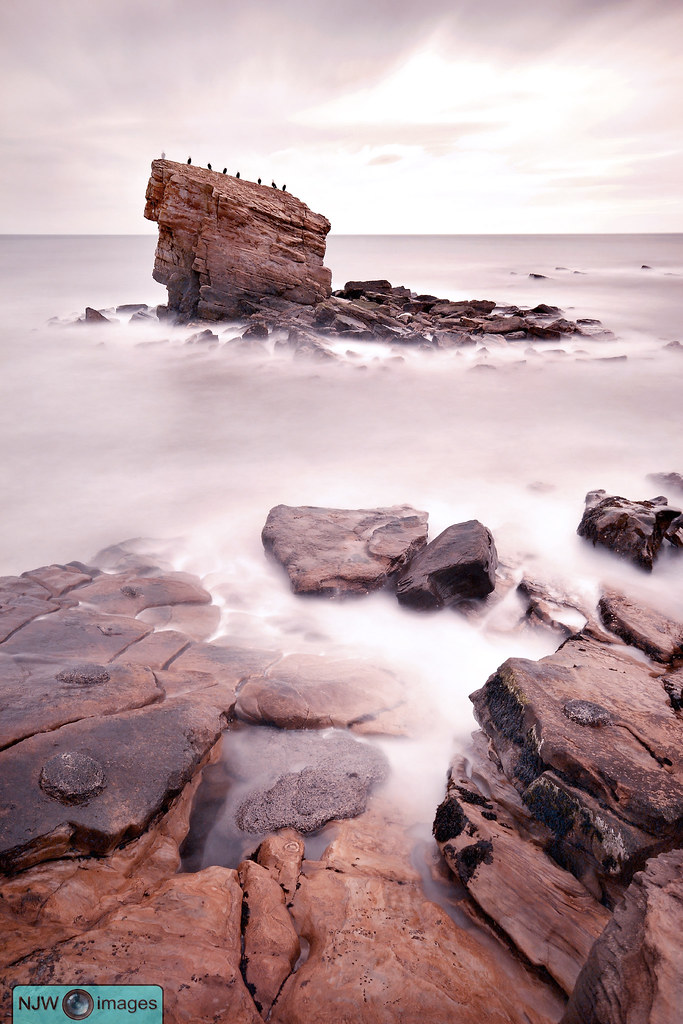
Big stopper ignorance

Messages
231
Name
Derek
Edit My Images
Yes
Hi.

I love the look of some if the long exposure pictures I've seen and hence started looking at 10 stop filters.

I initially searched "big stopper" and came up with some of the lee results at over £100

I'm not throwing a lot of money around at the moment and hence looked into some cheaper alternatives.

I found some 10 stop filters at about £18 and saw some of the threads on welders glass.

My question is really what differences are there in image quality using a big bucks filter versus el cheapo version?

What differences are the in the product?

Like many others I am only starting to dabble with it so would not be prepared to invest in quality before I had dipped my toe in the water.

Thanks in advance for your replies.

Derek
 
The big difference you will notice will be the colour cast you get with cheaper filters. The Lee filters have little to no cast in them whereas welding glass means a very heavy green colour in all your images. This can be improved in PP when you return home but will never be spot on. Also you will get other distortions in your images from cheaper glass but none of these things matter if only paying a couple of pounds for welding glass in the first place and is a great way of trying long exposures with out the initial outlay. You can always upgrade if you find you like this style of photography later.
 
Hi there

The more you pay the less intrusive the colour cast. Apparently it's difficult/expensive to engineer filters without a colour cast. I've bought cheaper filters and they've had an awful magenta c/c which is often hard to pp out.

Even the Lee Big Stopper has a faint blueish c/c but it can be pp'd out pretty easily.

However, if you just want to have a go to see if you like long exposure photography and are happy to convert your images to black and white (thus avoiding the colour cast) and you're happy to do a bit of experimentation then the welding glass could be a cheap alternative. I've seen some pretty effective images produced using it. Because you'll be bodging up a method of attaching the glass to your lens there'll be a bit of trial and error before you get the desired results. But most of what you need to get a working setup can probably be found in your garage.

The next step up is probably the cheap screw-in filters from eBay and from there the cheaper end of Cokin or Hitechs range. The latter 2 will require additional investment in terms of filter holders/adaptor rings etc.

FYI, the best filter I own in terms of lack of colour cast is a Hitech IRND 10 stop. Better than the Lee Big Stopper in my opinion............just.

Mark
 
There can be some quality problems with welding glass but for very little outlay (about £1 - £2) it is worth a go. You'll need a way of fixing it to your camera but that is not too difficult.

When you look through it everything (and it is so dark, you are not going to see a lot) will look dark green. I would not adjust this in PP but set a custom white balance instead so the camera adjusts for the green colour cast.

The results may not be perfect, but I have seen some good shots done with welding glass, but it will let you decide if you want to spend more money.

Dave
 
Thanks for the input guys.

I think I'll take the progressive approach of welding glass, cheapo, expensive. Make sense.

Thanks for clearing up the differences.
 
Just out of curiosity.
How many stops thereabouts does a welding mask work out at?

Varies with manufacturer. The Chinese ones we've used lately seem a lot darker, I am using a shade 8 where I normally use a shade 10. Don't forget the more you pay the better glass, even applies to welding lenses. The shade can vary across the same lens on the cheaper ones.
 
Welding glass came this morning so hopefully ill get out with it later.
 
I've just posted in critique under the title" first time"
I'm not happy :-(
 
you mentioned custom WB, mind sharing any tips on wielding welding glass ;)

My tips for long exposures apply equally for welding glass as a Big Stopper, http://www.markmullenphotography.co.uk/blog/2012/8/long-exposure-photography---my-tips

I didn't cover using a custom WB as the Big Stopper is very nearly neutral colour wise, a slight cooling effect but not much.

To shoot a custom WB the easiest way is to include in your shot a grey card, place it in an area you can clone it out from later, in amongst pebbles, or on grass etc, then use the WB picker to select it in your raw processing software. Once you've done that and white balanced the shot up just clone out the grey card.

If you're doing a lot of this kind of thing I can recommend the Colorchecker Passport as it is good and durable but it isn't cheap.

If you really don't want to spend anything use the WB picker in your raw software and look for neutral areas in the shot and try them, grey rocks work well, the white of a roadsign or windowframe etc. It won't be 100% accurate but for landscape work rarely is the correct WB the best looking one.
 
Thanks for the comment mark. And the link. :-)

Every little help is appreciated
 
Back
Top