I don't know about achromat, which is a design of lens to correct colour focus. The Raynox is a 'diopter' - a supplementary close-up lens, basically like spactacle lenses or, in higher magnifications, a magnifying glass.
My understanding is that the 150, 250 and 500D are all achromatic (one reason why they use more than one piece of glass, unlike the close-up filter sets of which each one in the set is a single piece of glass, and prone to chromatic aberration).
One diopter has a focal length of 1000mm, and the Raynox 250 is something like +8 diopters as I recall, which means it will focus a subject at 1000mm/8 = 125mm, which tallies with your findings. Adjusting the lens focus makes very little difference at that range, but zooming it changes the field of view so there's still a bit more versatility than you get with a pukka fixed prime macro.
Could you explain the nature of this extra versatility please? You've lost me here. As I understand it you use the zoom to change the field of view/magnification with a diopter, and you change the field of view/magnification with a prime macro lens by changing the distance to the subject. On the face of it, they seem equally versatile, but employ different means to get there. I suspect I have missed something here.

Actually, I'm a bit puzzled too about "Adjusting the lens focus makes very little difference at that range ". Is this a typo, as in "Adjusting the lens focus makes very little difference
to that range", which is I believe the case, assuming "that range" is the working distance, or the range of working distances at which sharp focus can be gained. But if "at" was indeed intended, then makes little difference to what?
Incidentally, for anyone considering a diopter, there is a bit of a complication here, caused by the fact that a diopter will only work at a particular range of distances from the subject. Typically you mount the diopter on the front of a zoom lens. You change the field of view by zooming. If the lens extends when it zooms then this changes the distance to the subject. So, suppose you have the camera the right distance from the subject and get the subject in focus, but you then want to change the field of view/magnification. After zooming to change the field of view/magnification (which also changes the distance between the diopter and the subject) you may have to move the camera towards or away from the subject before you can get a sharp image with the new field of view/magnification.
The more powerful the diopter, the more pronounced this issue is. In my experience, of the 150, 250 and 500D, this is a significant issue for the 250, and little or no issue for the 500D. As with everything else, the 150 is somewhere between the other two.
There are some compact/bridge cameras which allow you to attach a tube to the camera to which an achromat [EDIT: should be diopter] (amongst other things) can be fixed. As you zoom the camera lens extends and retracts within the tube, and this does not alter the position of the diopter. This simplifies using a diopter on these cameras as changing the field of view/magnification does not alter the distance between the diopter and the subject.
The Raynox is also a triplet design, which gives much better edge sharpness than the basic singlet types (eg from the bay) which are rubbish at high magnifications like this. Raynox 150 is about +5 diopters I think, and the Canon 500D is +2 (hence the 500 bit, D meaning doublet).
The Raynox 250 is indeed 8 diopters. The 150 is 4.8 diopters.
For the sake of completeness for anyone interested in these details, I believe the "500" in the 500D refers to the distance at which focus will be gained with the camera lens set to infinity, which is 1000/diopters, which is 1000/2 = 500mm for the 500D. (I have also seen this expressed as "the 500D close-up lens changes closest focusing distance from infinity to 500mm from front of [500D] lens" - I think I know what they mean, but shouldn't this be "furthest focusing distance"?

)
Similarly, I believe the Canon 250D is 4 diopters, for which 1000/4 diopters is 250mm. For the Raynox 150, which is 4.8 diopters, 1000/4.8 diopters is 208mm.
The reason why I believe the Raynox works so well for most people is that normal subjects like flowers and insects are three-dimensional, usually positioned around the centre of the image, and a bit of distortion goes unnoticed. Plus you have to shoot at high f/numbers anyway to get enough depth of field. Proper macros are designed to be very sharp, right to the edges, at low f/numbers and with zero distortion, which makes them good for critical flat subjects like stamps and coins etc. You just don't need that for bugs

That is very interesting. Thanks for that.



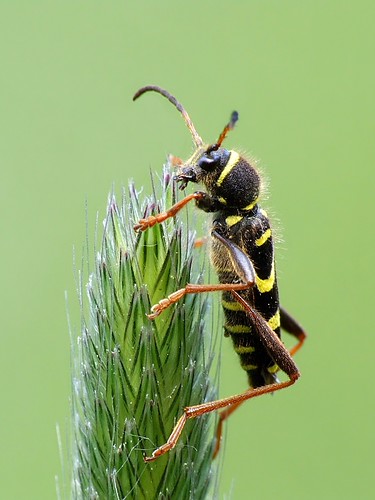
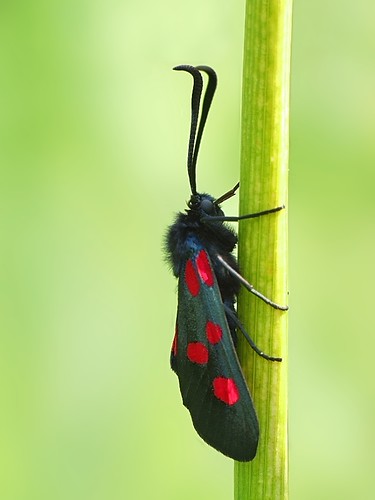
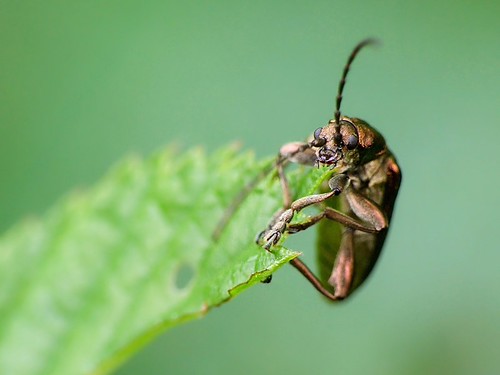
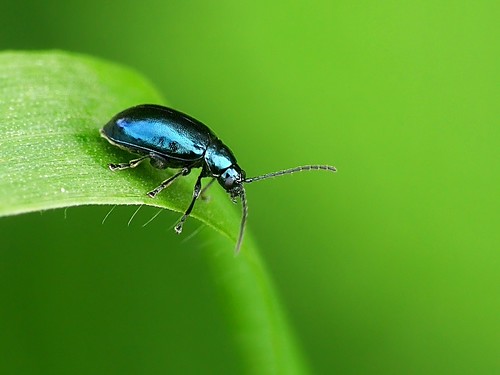


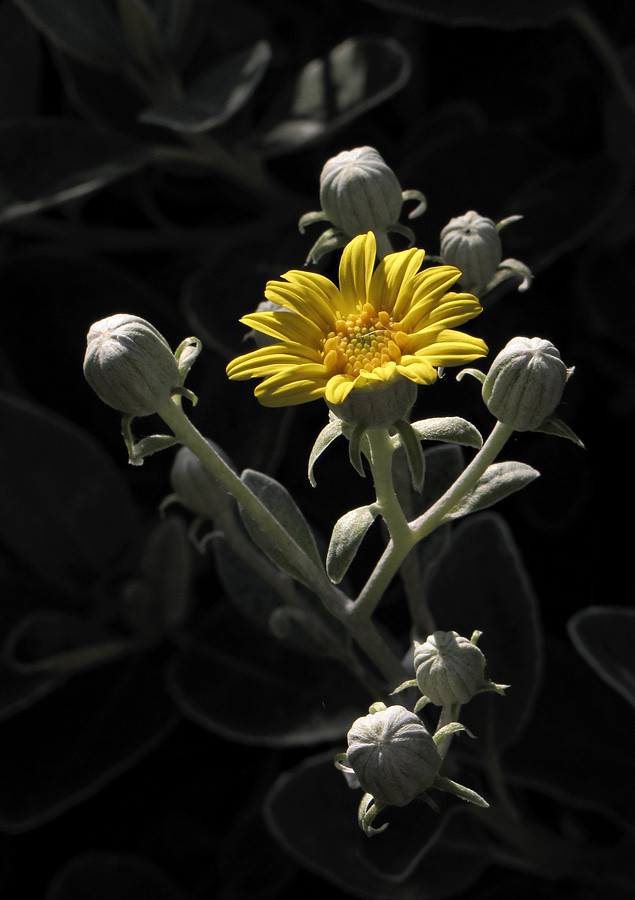
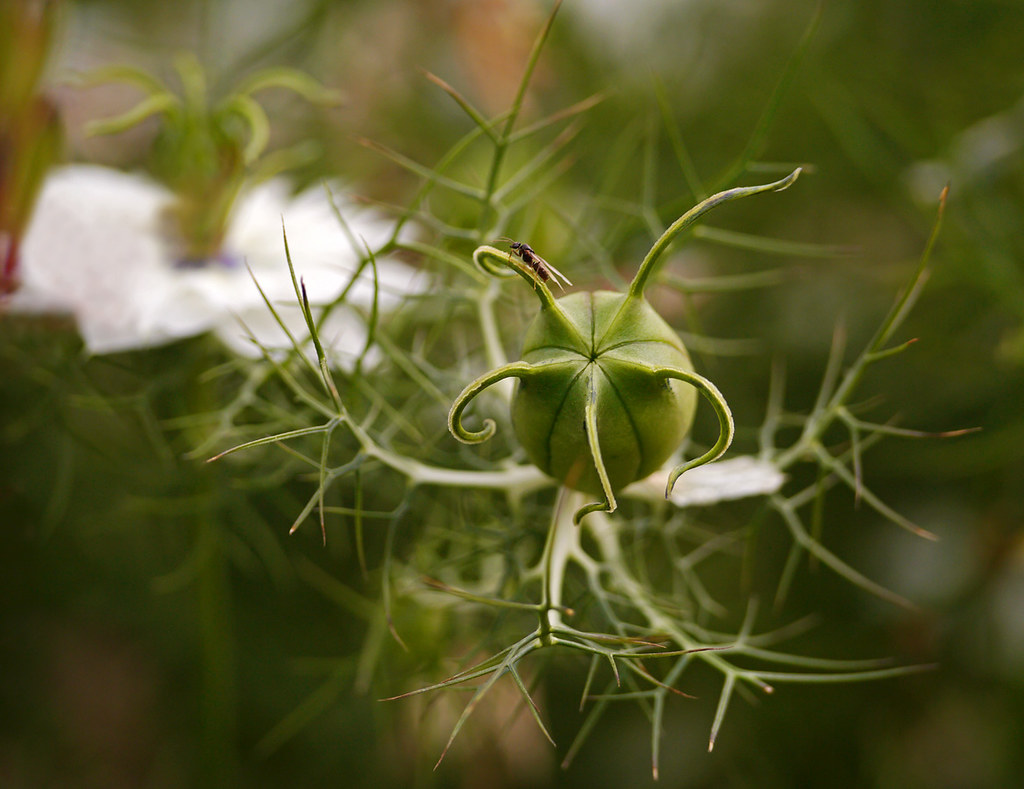
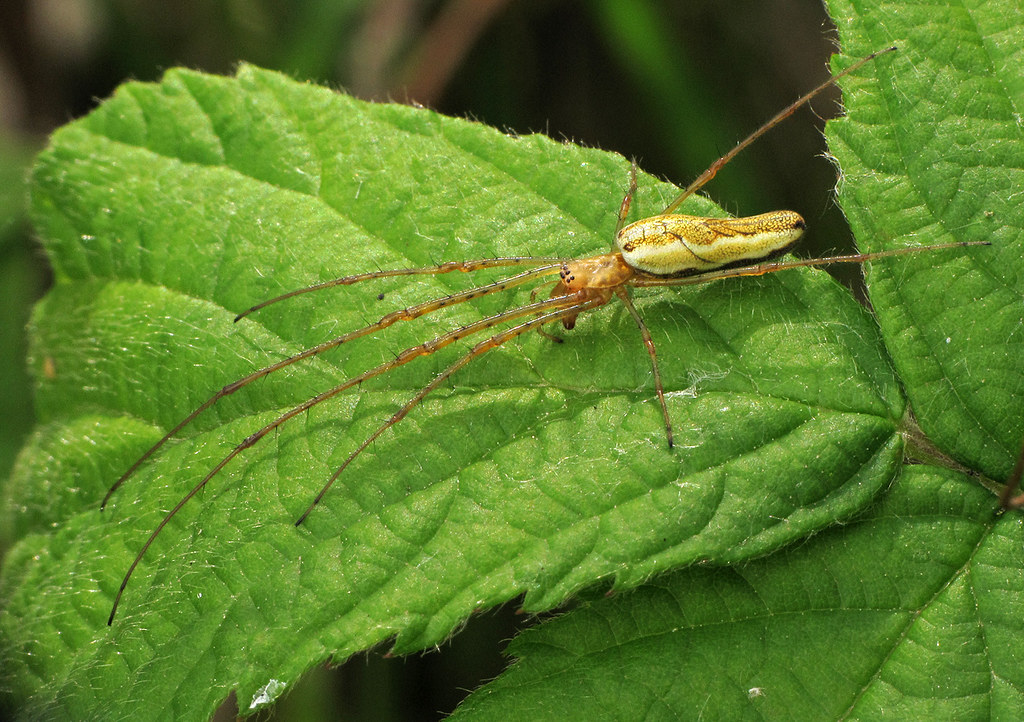
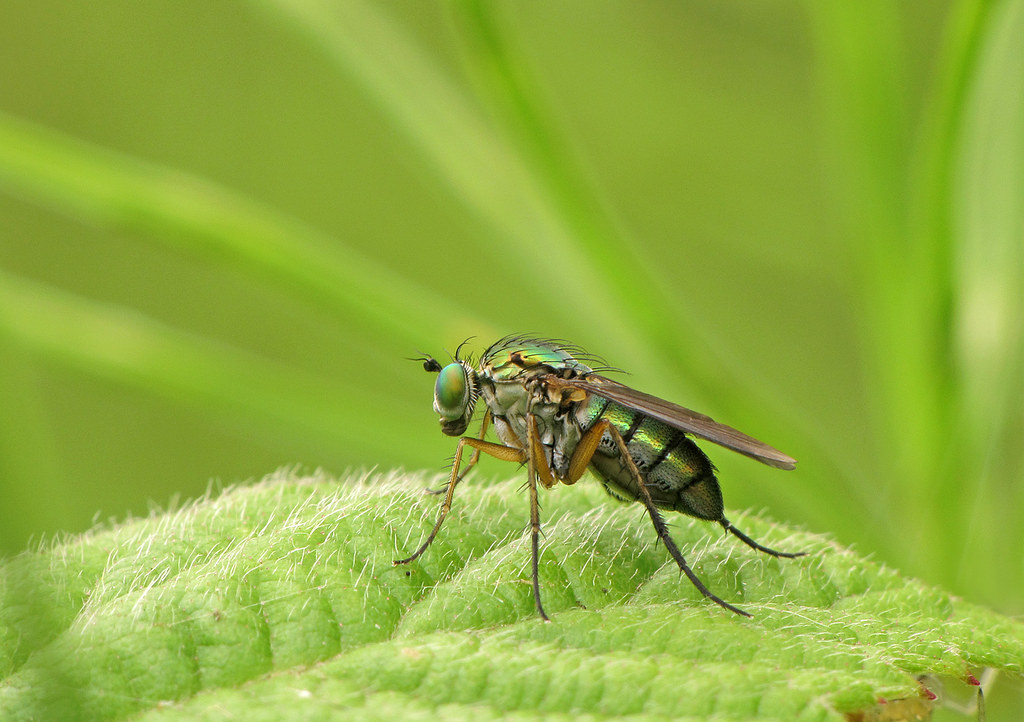
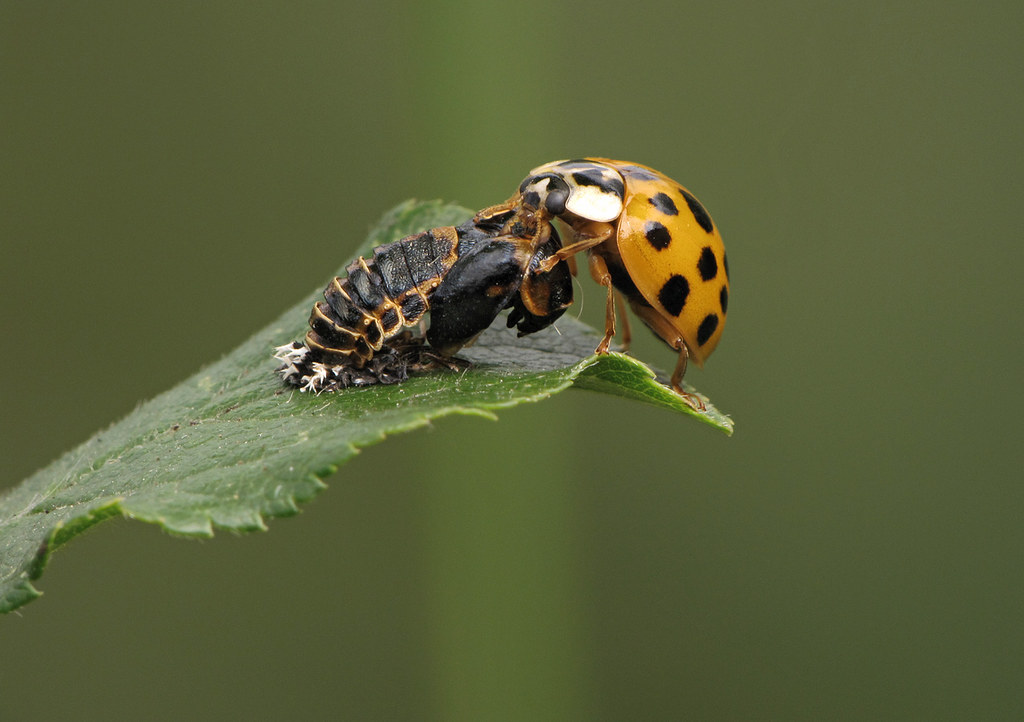
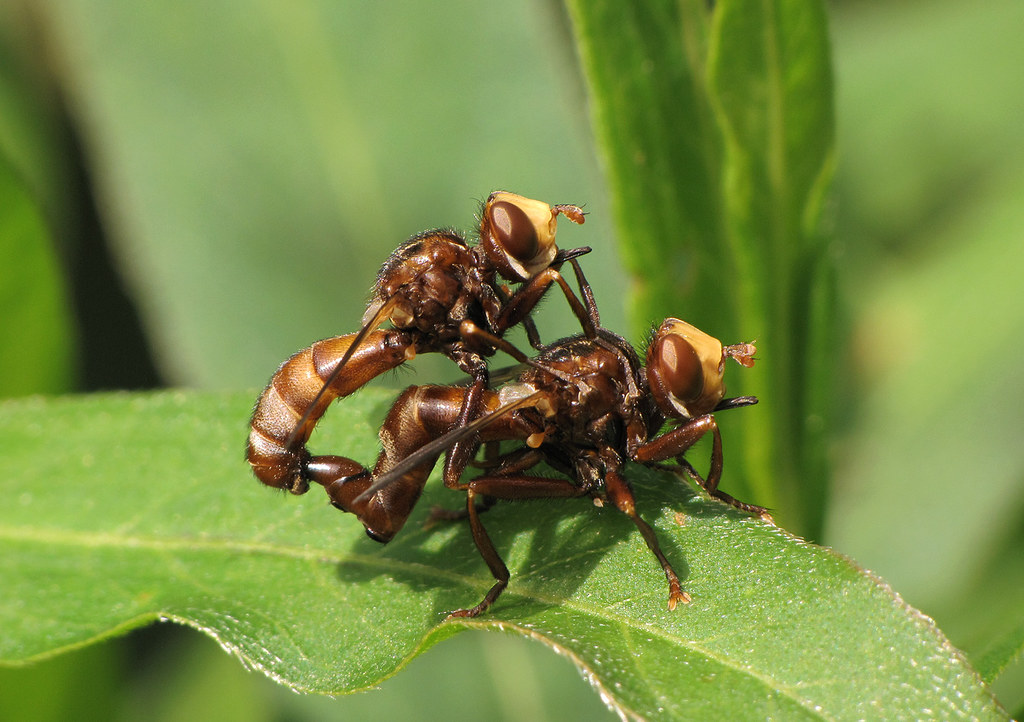

 Great light, colour and composition.