There are really only 2 approaches to this and I would suggest that you use both.
The first is to shoot on a model as suggested above. Try to use available light as much as you can and only use diffused flash to fill in and create some nice sparkle. You may well need to get an assistant to hold a reflector as well to reflect the available light back onto the subject to make it more even.
Shooting on a model will only show so much detail on the pieces. You will not be able to get in really close because with the best will in the world the model will not be able to keep still enough to allow you to retain much depth of field and any sort of accurate focus.
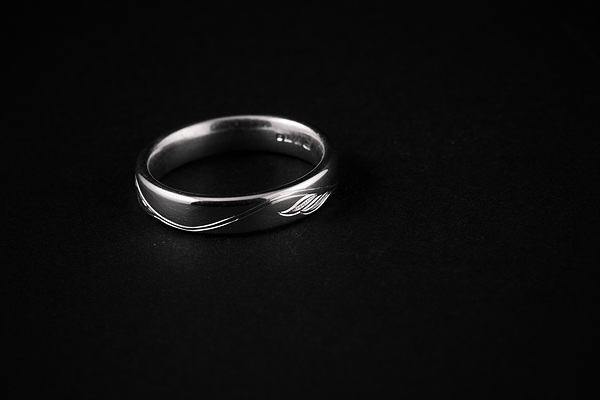
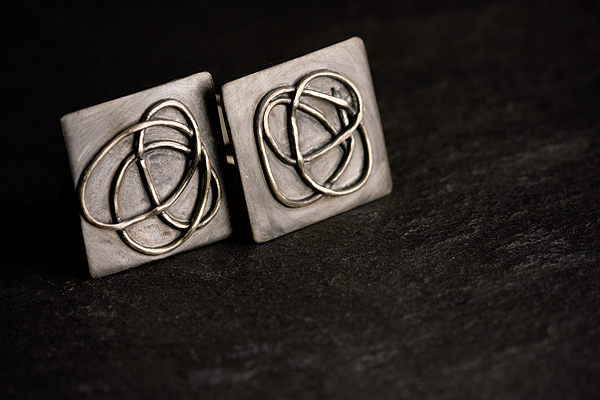
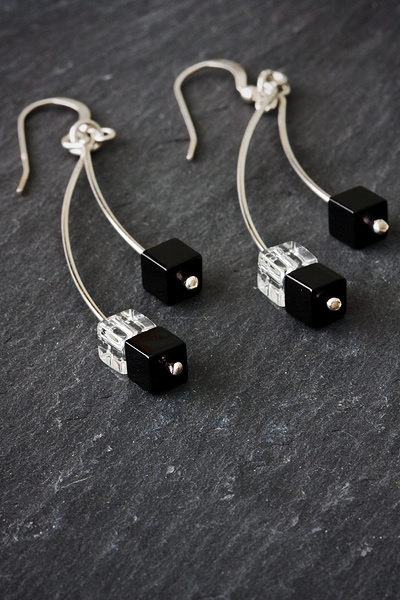
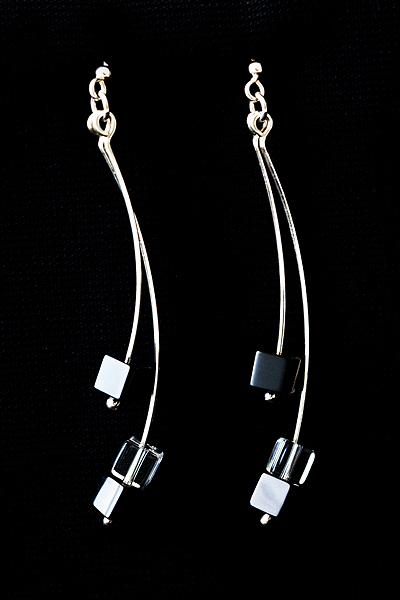
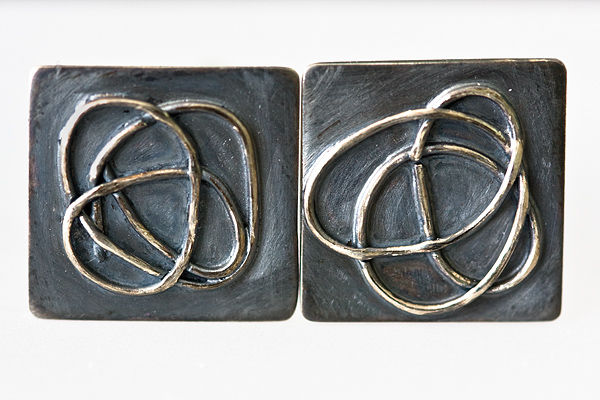
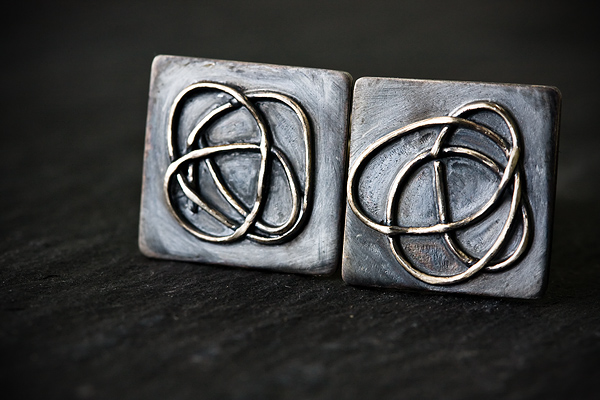
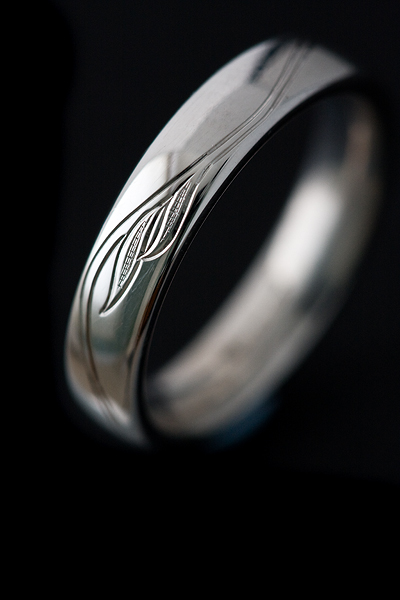
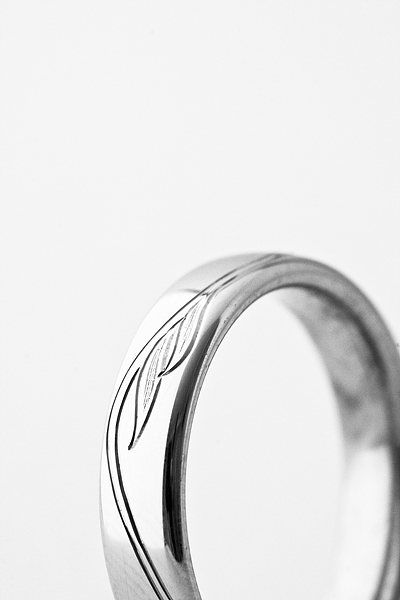
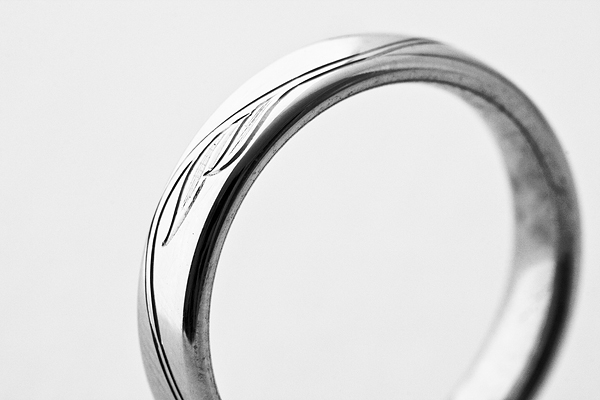
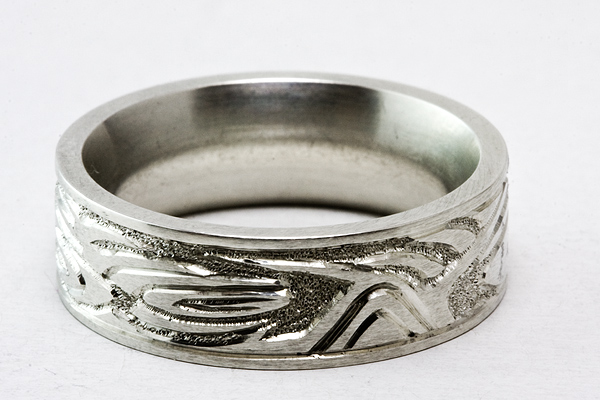
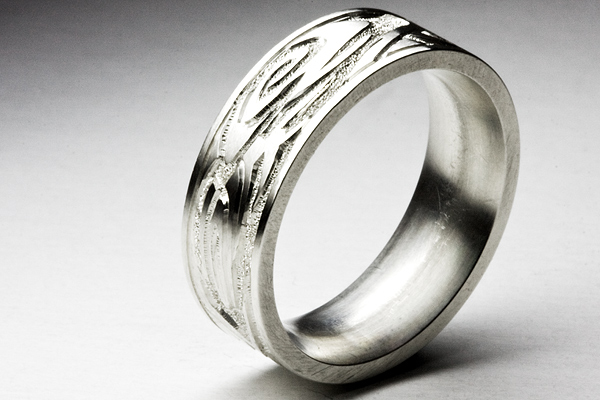
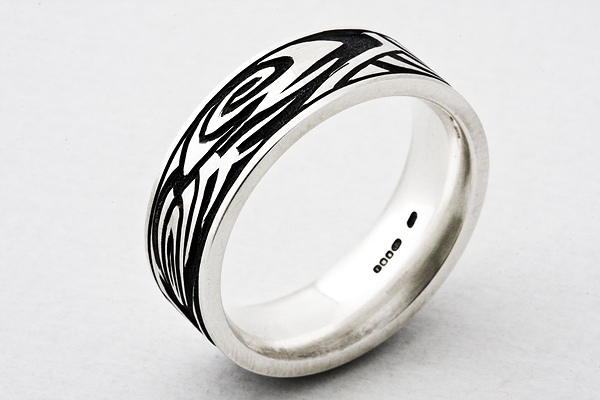
So to complement the model shots you will have to also take some closeups - the closer the better.
For this you dont need to worry about composition too much, the more creative you become the less the shots will give an accurate impression of the pieces. Get a dark piece of velvet or matt dark artboard to put the items on and use your light tent.
This is where your problems will begin. You will be shooting very close and need plenty of depth of field so macro lens stopped well down is your starting point. Depending on the size and style of the pieces you may find that you need extension tubes or even bellows to show the detail well enough.
All of this will mean long exposures so I hope you have a good tripod and a location with a solid floor, use mirror lock up if possible and a remote shutter release.
Forget flash for this unless you can beg borrow or steal a ringflash or studio gear so chuck as much light at it as possible. It really doesn't matter what light you use as long as it is all the same and has a continuous spectrum to avoid WB issues. Depending on what you already have you can use 3 or 4 reading lamps (like anglepoise), proper photofloods, or get some halogen worklights from Argos (these are mucho cheapo and you can get the ones on stands).
When I did this sort of thing for a living the technology was a lot less sophisticated and my clients often needed 5x4 trannies so I had no option other than to use a rail camera with extension rails and bellows but at least I was lucky enough to have invested in 4 elinchrom flash heads.
You will find that this sort of photography is extremely time consuming. It just can't be rushed and I would used to consider 3 or 4 useable shots a good result from a full days work. Things should be a tad quicker with digital once you have everything set up.
Obviously there will be a huge EV range between the jewellery and the dark background but equally obviously you will be exposing for the jewellery and if the background isn't correctly exposed then it really doesn't matter.
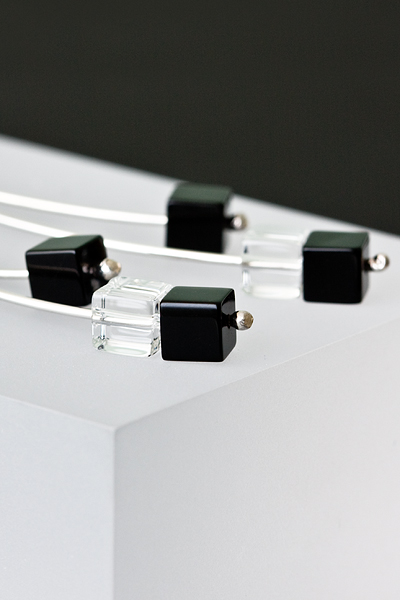
Finally pick a couple of the most pleasing pieces and get a bit more creative so you end up with shots for the opening page of the photobook and perhaps for business cards etc. Anything goes here and although it is a bit obvious and hackneyed, use of a starburst filter can be very effective.
Don't forget the adage that "people buy from people" so you will also need portraits of your jeweller friend who could (or even should) be used as the model for her own work.
Hope that at least some of these fairly random suggestions are of help





 ) that i'd be more likely to buy it if i could see how it hangs etc.