Despising my amazing knowledge of all things meteorological related, sunsets and sunrises are actually hard to predict.
A colourful sunset occurs when light from the sun gets filtered out by particulates in the atmosphere, apart from the far end of the colour spectrum which is orange and reds. That reaches our eyes in the form of those "blood" red sunsets.
As the sun sinks towards the horizon, the light coming from the sun has to pass through "more" of the Earth's atmosphere as it strikes the surface at a very low angle. Thus more and more of the light spectrum gets filtered out - apart from the reds.
Perhaps it's a case of looking at a barometer and if pressure appears to be rising sharply during a rather cloudy and wet day and the thick gloomy cloud cover has that appearance of thinning out then it's safe to expect a spectacular sunrise at the end of the day as high pressure (which often traps pollutants) begins to nose in.
Oddily, colourful sunrises are actually easier to predict. If stormy weather is expected in the morning and yet the night beforehand is clear and settled then you should expect a great colourful sunrise. An approaching warm front does have the effect of "piling" up an airmass ahead of it, thus the air becomes "thick" with particulates and dust particles - and combine that with the various high cloud cover ahead of a warm front and you'll have your gorgeous early morning sunrise.
So, basically, the best thing to look out for is air pressure rising sharply (20 to 30 mb in a day) during a dull and wet day and if you can see subtle hints of brightening in the cloud cover an hour before sunset (helps when you know your sunset times and have a barometer on you) then get ready with your camera.
Likewise, if you see air pressure dropping sharply (20 to 30 mb) during a very clear and still night even though the forecast is suggesting a stormy day the next day then expect to wake up to a breathtaking sun rise early in the morning (you'd need to set the alarm clock to coincide with an hour before sun rise, which is currently 6.50 am).
So there you have it, it doesn't always guarantee a decent sunrise/sunset but it should increase your chances of being in the right place in the right time when you are armed with your camera.
But wait! It doesn't end here, for there are actually two types of sunset/sunrise colours.
Man-made pollution and natural pollution (such as forest fires and volcanic eruption) actually produces different type of sunsets. The former is much more common, but the latter is much rarer - and is absolutely stunning and I'm pleased to have witnessed such an event.
It was February last year when that happened. Two days previously there had been a massive eruption and what came out of the volcano got trapped in a layer in the upper troposphere (the very limit of weather, the bit where weather stops and space begins) and the result was that I got to see this amazing blood red sunset which showed up an hour AFTER the sun had set. It grew dark after the sun had setted below the horizon, all normal, . . . but then I noticed the sky began to brighten up again, first as golden yellow, then it has a green hue and then the whole sky turned blood red. It was a shame that conditions was clear and cloudless, this would have made what was a breaktaking sunset into something very extraordinary.
And yes, I have captured it. This occured an hour AFTER the sun had set below the horizon but light coming from it was still behind reflected from a layer of dust 50 miles up in the atmosphere and this is the result.
These photos just don't do it any justice as the camera just couldn't pick up the colours of this particular sun set. Don't forget, this was under completely clear skies with absolutely no cloud cover, which made it all the more breathtaking. The whole thing lasted an hour.
Half an hour later:
And ten minutes later:






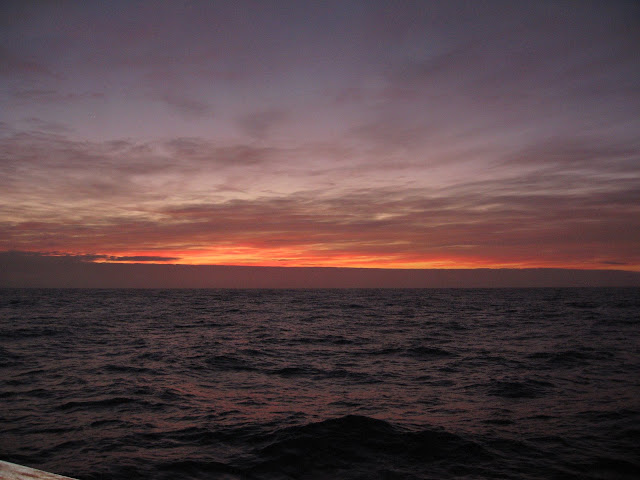
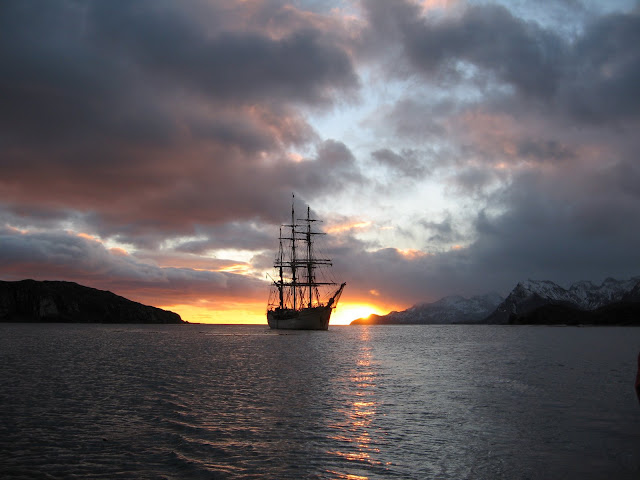
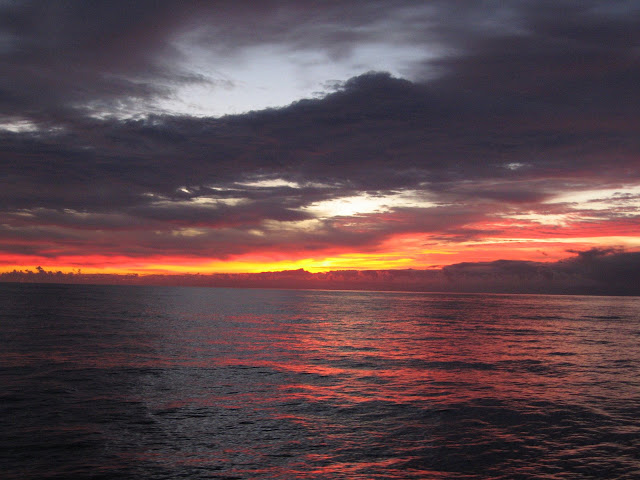
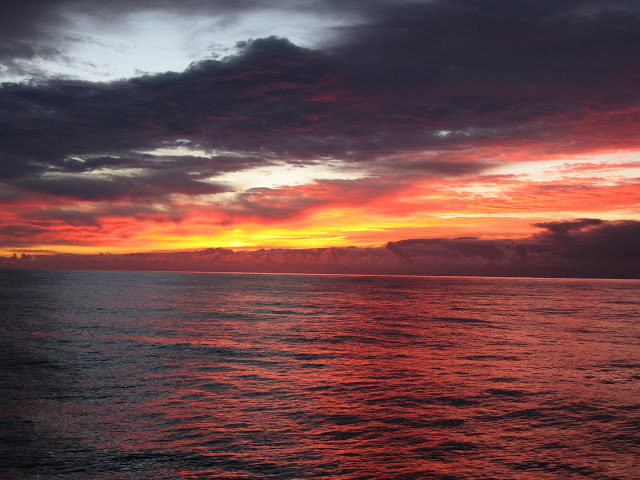
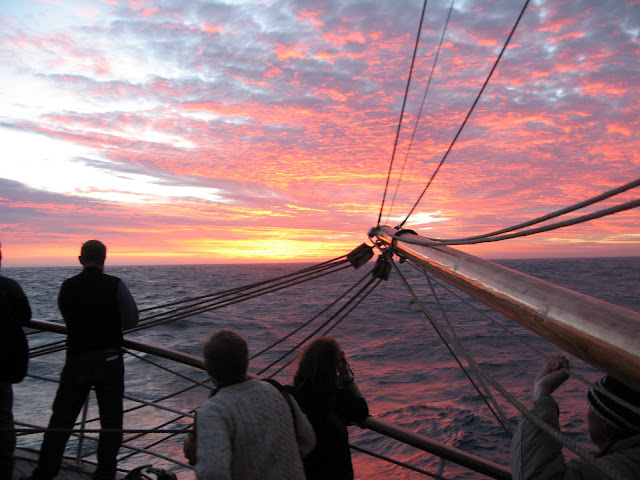




 It doesn't matter whereabouts in the world you are, you will get decent sunsets.

 That's fine.
 I'd end up driving them
 .
