- Messages
- 7,179
- Name
- Edward Bray
- Edit My Images
- Yes
I keep seeing answers in threads about lens quality (which often seems to be aimed at beginners) as to how diffraction softens lens images when you use apertures beyond a certain point and that you shouldn't use them.
This was once again mentioned in a thread this morning.
If this were wholly the case, do you not think that the lens manufacturers would cease to make lenses with very small available apertures? As surely that would save them some money and bring the cost of the lenses down!
So, is it true? Do lenses perform less well at small apertures? The answer is of course YES, but the caveat to that (which is rarely mentioned, if at all) is that Softening due to diffraction only becomes a limiting factor for total sharpness when using a sturdy tripod, mirror lock-up and a very high quality lens.
For normal everyday shooting IT MATTERS NOT A JOT and unless you are a confirmed measurebator (pixel peeper) it certainly should not prevent you using smaller apertures to achieve your desired outcome.
To this end I have undertaken some tests. I have used my Canon 10D a Crop sensor camera (as it is frequently stated that you shouldnt use lenses with a smaller aperture than f11 on a crop factor sensor), I have put it on a very sturdy tripod (my Manfrotto 058 with 410 geared head) and using a very sharp 24L TSE Mk2 (no tilt/shifts used) with a Canon 1.4x Mk2 extender (this gives in effect a 35mm lens). The reason for using the 24L TSE Mk2 is that it has very little distortion or lens aberrations and is very, very sharp.
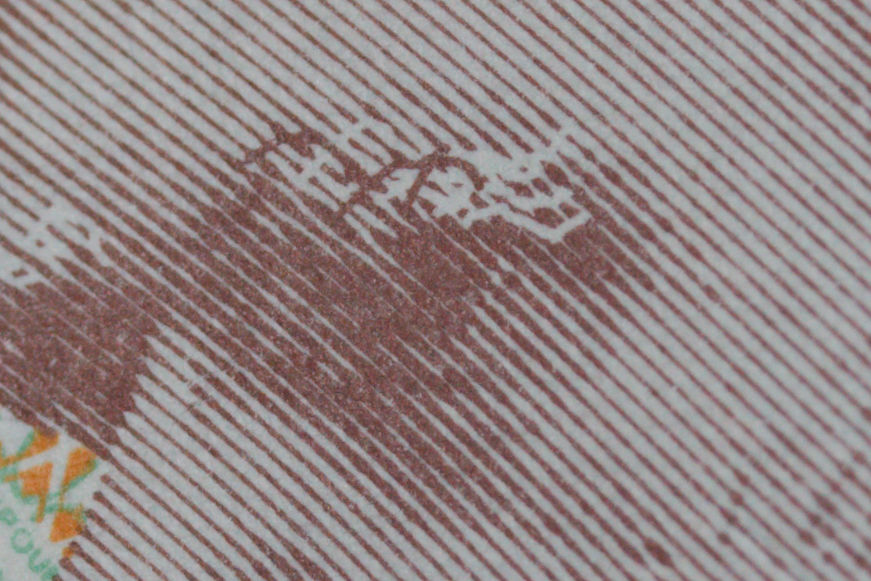
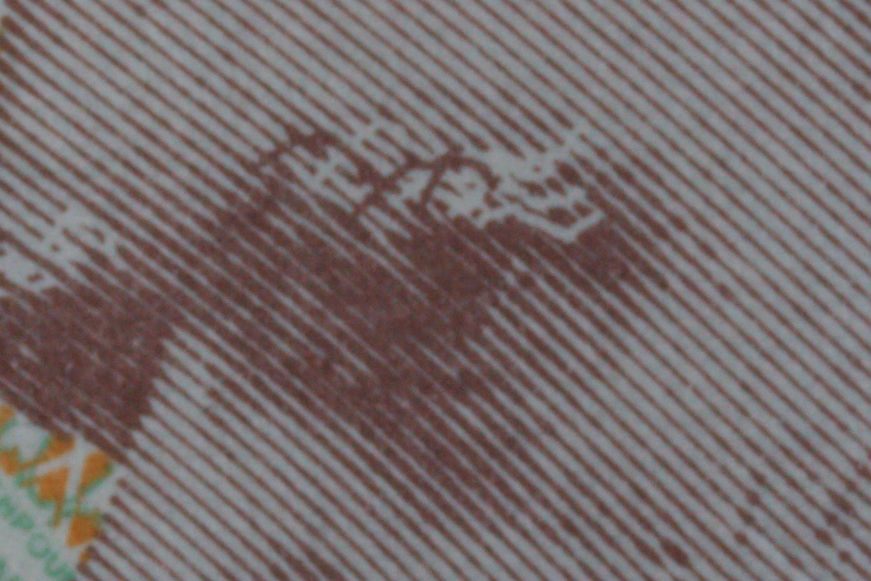
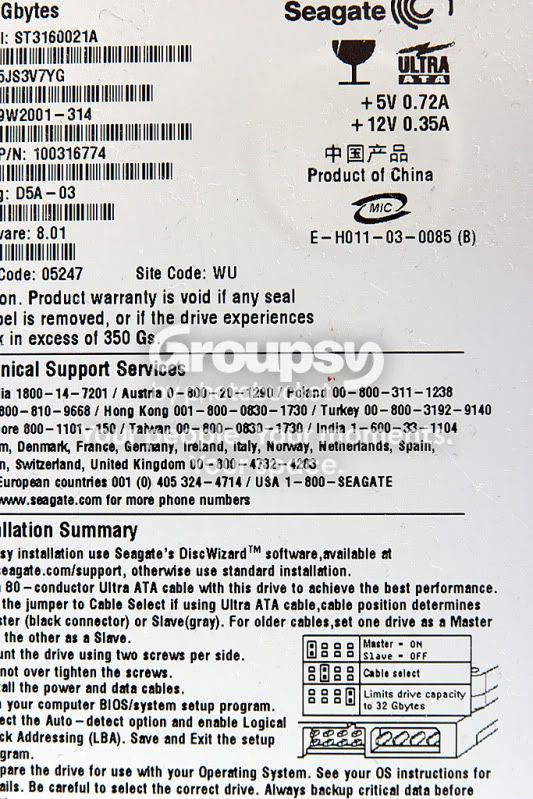
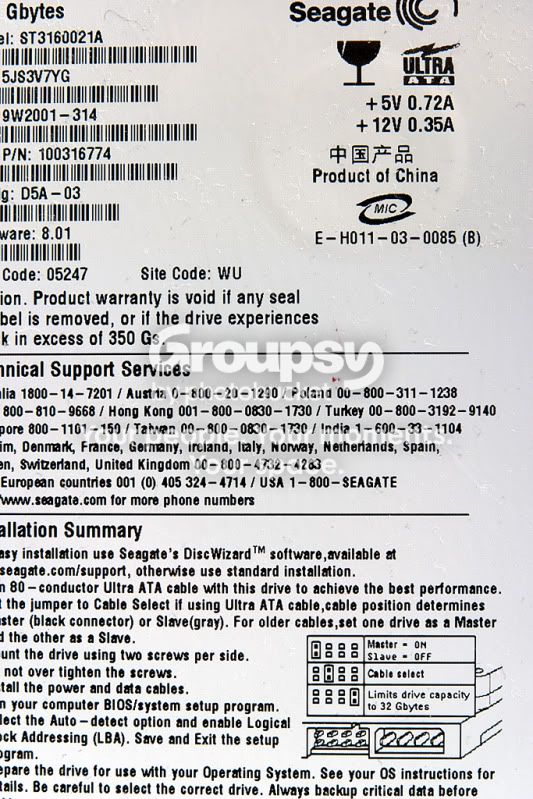
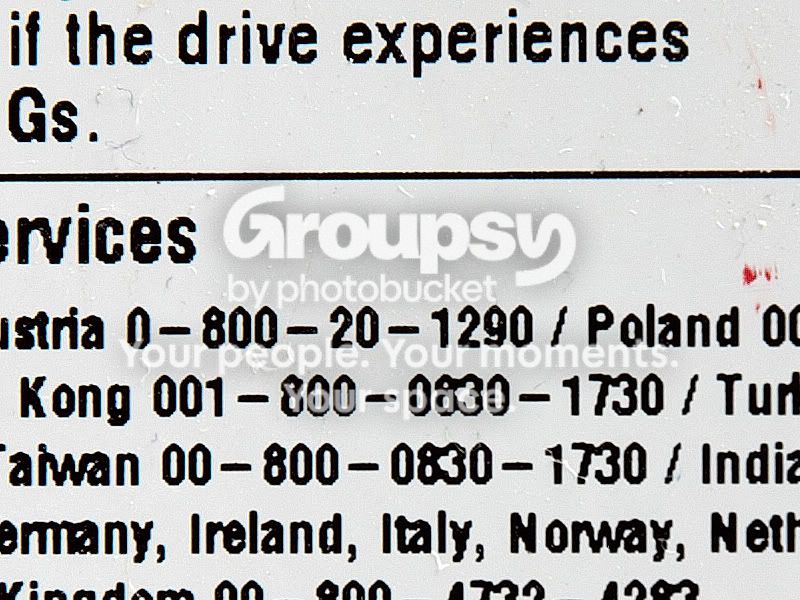
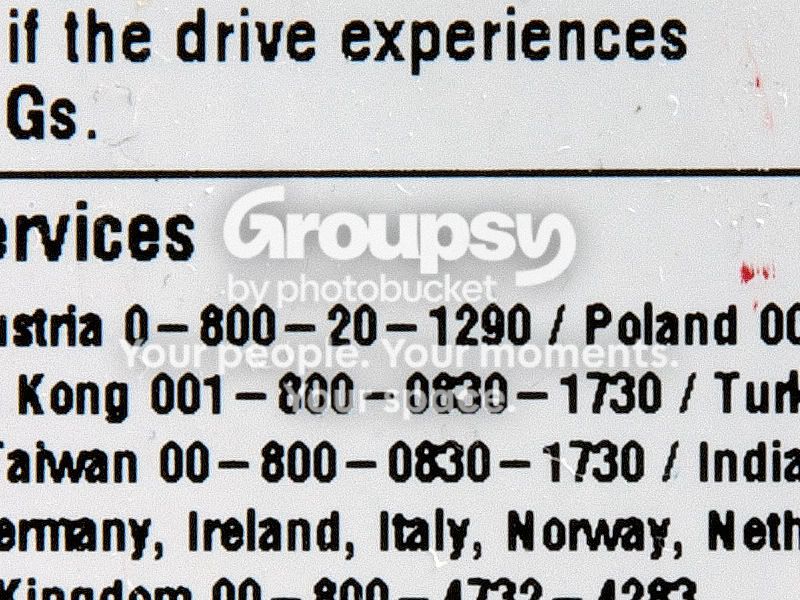
I have taken some images of a the label of Seagate 3.5 Hard Disk at both f5.6 (actual f8) and f22 (actual f32) at almost the minimum focusing distance (which again will make the actual aperture smaller as apertures are calculated for when the lens is set at infinity) and should exacerbate any issues. The images were lit by a softbox on a studio monolight above the Hard Disk, Exif intact.
All images had exactly the same Post Processing.
f5.6 marked
f22 marked
f5.6 marked 100% crop
f22 marked 100% crop
So in conclusion:
In actuality is there a difference between the images shot at f5.6 and those shot at f22? Yes, there is, but these images were taken under controlled conditions.
Would you see a difference in normal shooting with a reasonable lens on a reasonable DSLR, very doubtful, and if the difference is between you getting the shot you want or not then it's pretty much a no-brainer.
This was once again mentioned in a thread this morning.
If this were wholly the case, do you not think that the lens manufacturers would cease to make lenses with very small available apertures? As surely that would save them some money and bring the cost of the lenses down!
So, is it true? Do lenses perform less well at small apertures? The answer is of course YES, but the caveat to that (which is rarely mentioned, if at all) is that Softening due to diffraction only becomes a limiting factor for total sharpness when using a sturdy tripod, mirror lock-up and a very high quality lens.
For normal everyday shooting IT MATTERS NOT A JOT and unless you are a confirmed measurebator (pixel peeper) it certainly should not prevent you using smaller apertures to achieve your desired outcome.
To this end I have undertaken some tests. I have used my Canon 10D a Crop sensor camera (as it is frequently stated that you shouldnt use lenses with a smaller aperture than f11 on a crop factor sensor), I have put it on a very sturdy tripod (my Manfrotto 058 with 410 geared head) and using a very sharp 24L TSE Mk2 (no tilt/shifts used) with a Canon 1.4x Mk2 extender (this gives in effect a 35mm lens). The reason for using the 24L TSE Mk2 is that it has very little distortion or lens aberrations and is very, very sharp.
I have taken some images of a the label of Seagate 3.5 Hard Disk at both f5.6 (actual f8) and f22 (actual f32) at almost the minimum focusing distance (which again will make the actual aperture smaller as apertures are calculated for when the lens is set at infinity) and should exacerbate any issues. The images were lit by a softbox on a studio monolight above the Hard Disk, Exif intact.
All images had exactly the same Post Processing.
f5.6 marked
f22 marked
f5.6 marked 100% crop
f22 marked 100% crop
So in conclusion:
In actuality is there a difference between the images shot at f5.6 and those shot at f22? Yes, there is, but these images were taken under controlled conditions.
Would you see a difference in normal shooting with a reasonable lens on a reasonable DSLR, very doubtful, and if the difference is between you getting the shot you want or not then it's pretty much a no-brainer.


 Thanks Ed. That was really interesting.


 )