First images from Mirex Tilt/Shift Hasselblad to EOS adapter, Some Tilt images added.

Messages
7,179
Name
Edward Bray
Edit My Images
Yes
I didn't make an effort to get out at the weekend as the weather was poor.

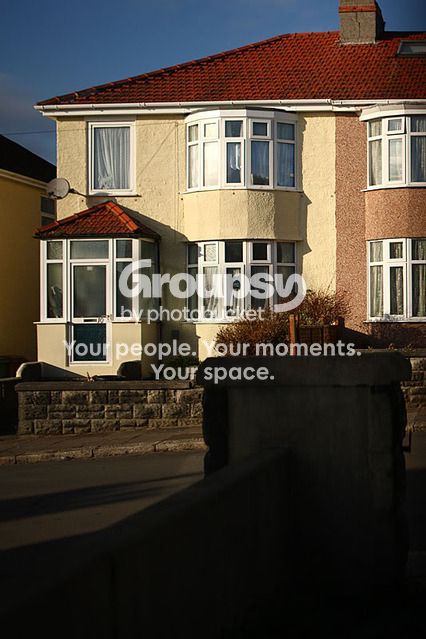
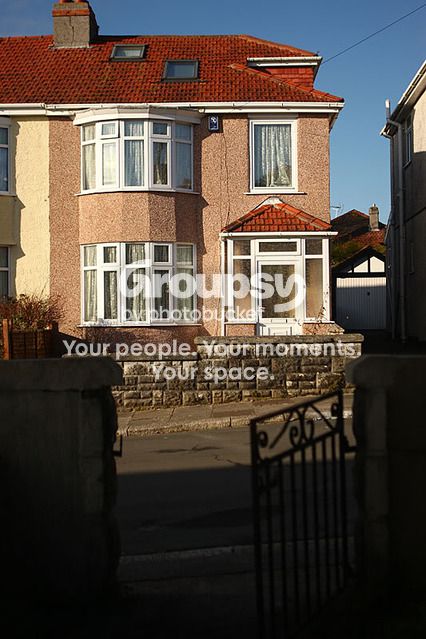
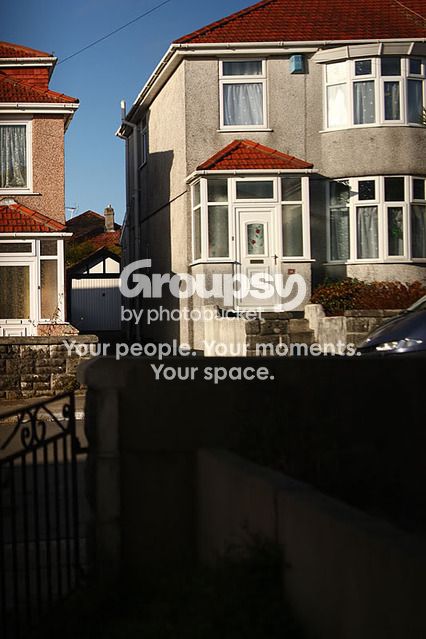
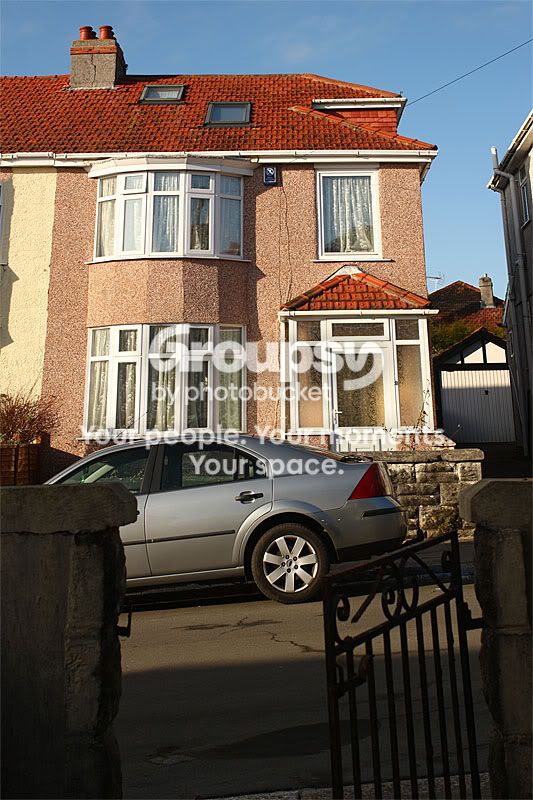
Took some shift shots today from the front of the house looking across the street using just the 50mm Distagon and the 80mm Planar using the mirex on my Canon 1Ds Mk3. All of the images used were shot as small jpg.

3 shot 50mm taken vertically and shifted right, centre and left combined using automate photomerge in Photoshop CS5.

50uppansmall.jpg


3 shot 50mm taken vertically up, centre & down combined in CS5
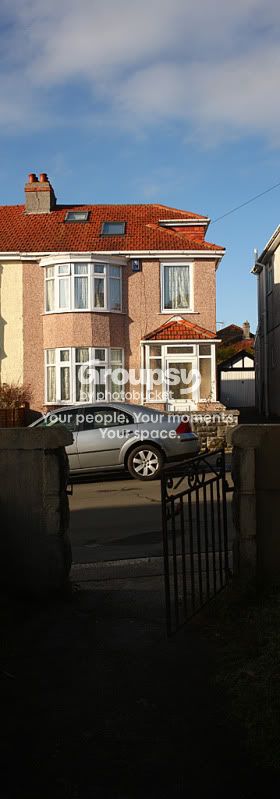
50longpansmall.jpg


3 shot 80mm taken vertically left, centre & right combined in CS5
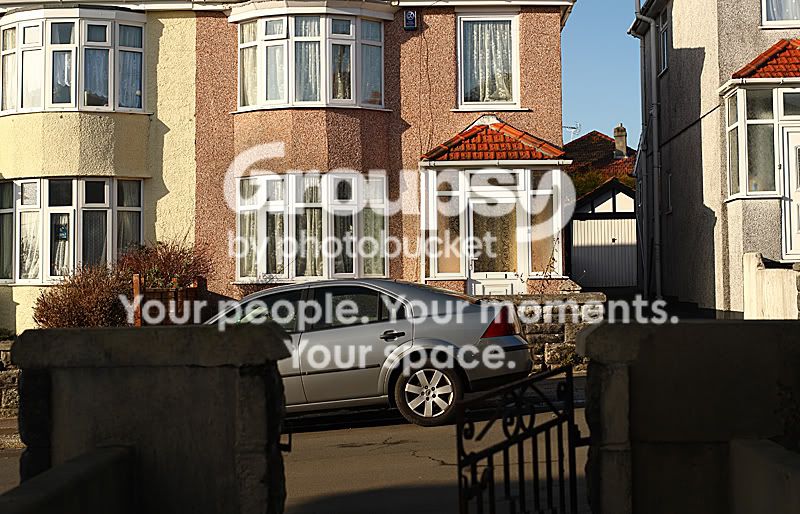
80uppansmall.jpg


3 shot 80mm taken horizontally left, centre & right combined in CS5
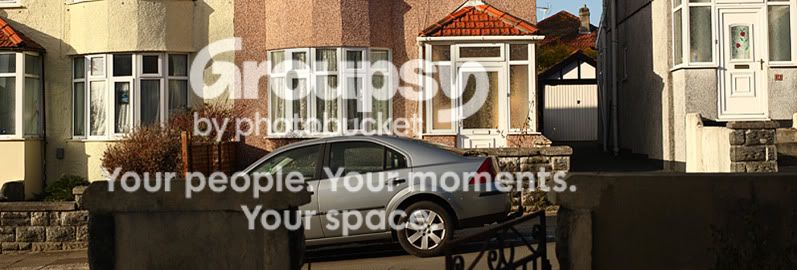
80panoramasmall.jpg


Single shot, image taken with the 50mm Distagon and shifted to control the perspective.
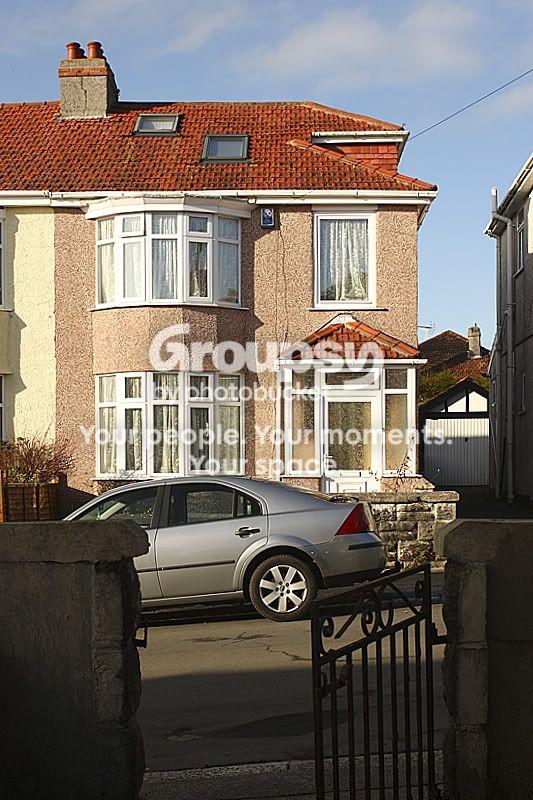
Adjusted50small1.jpg
 
Last edited:
Ed, Apologies for my ignorance, but what am I looking for compared to normal shots in this set?
 
Would have been nice to see a 'straight' shot with no adjustments as a benchmark for comparison.
 
Ed, Apologies for my ignorance, but what am I looking for compared to normal shots in this set?

Tou can either use the shift function to correct perspective (as in the last shot) or you can use it to take multiple images to create large panoramic images.

As a example the image below was created by merging 3 images to give a much larger file and as the camera back doesn't move stitches together really well.

Left.jpg
centre.jpg
Right.jpg


Combined

pan1.jpg


O haven't taken any images yet using the tilt function, but that can be used to change the focas plane giving the impression of greater or lesser Depth of Field see here for example
 
I know what shift lenses do but shown the shots above I'd presume they were just taken with a good wide angle.

I really want a lens with tilt ability for portraiture but they are too expensive.
 
I think he means a shot with a straight lens Ed to illustrate the advantage TS has over normal lenses.
 
I think he means a shot with a straight lens Ed to illustrate the advantage TS has over normal lenses.

The centre shot above was shot with the 50mm Distagon lens on the 1Ds Mk3, this would be no different than using a 'nifty 50' or other 50mm lens on the 1D Mk3 no movements were used for that shot. Therefore apart from it being Zeiss glass and manual focus it was to all intents and purposes a 'normal lens'

I think what you are suggesting as a straight shot would be one where the perspective has been changed by tilting the camera upwards (as opposed to the lens) to include the whole building and therefore the verticals convere.

Without using shift function
50tilted.jpg
Adjusted50small1.jpg
 
I know what shift lenses do but shown the shots above I'd presume they were just taken with a good wide angle.

I really want a lens with tilt ability for portraiture but they are too expensive.

But that is the point, they were taken ith a 50mm (standard on a FF camera) and an 80mm (short tele on a FF camera).
 
But that is the point, they were taken ith a 50mm (standard on a FF camera) and an 80mm (short tele on a FF camera).

Bu shouldn't a shift lens be used to something you can't do by just changing to a wide angle lens.

Like correcting perspective.
 
Bu shouldn't a shift lens be used to something you can't do by just changing to a wide angle lens.

Like correcting perspective.

Why limit yourself to just one use when a tilt/shift lens is capable of much more.

Using a wide angle from further away will change the perspective and create the need for a foregound or severe cropping (leading to loss of quality and detail) to get a similar result..

The combined image shot which was shot vertically would give you a similar result to a 50MP medium format back if shot on a 21MP FF camera.
 
There you go...now we can see the 'lean' on the uncorrected shot.

I know what these things do as I trained on a Sinar 5x4, but I'm betting there are 100's here who haven't a clue as to the advantages of this capability...
 
Bu shouldn't a shift lens be used to something you can't do by just changing to a wide angle lens.

Like correcting perspective.

See the photos in post 10.;)

Ed great example of what a difference perspective correction can make with it not being obvious.:thumbs:
 
Thanks for the comparison shots Ed, I can see the difference in the 2 shots, so can see the benefit in architectural togging etc.
 
Why limit yourself to just one use when a tilt/shift lens is capable of much more.

Using a wide angle from further away will change the perspective and create the need for a foregound or severe cropping (leading to loss of quality and detail) to get a similar result..

The combined image shot which was shot vertically would give you a similar result to a 50MP medium format back if shot on a 21MP FF camera.

Fair enough, never thought about the larger image size/quality issue.

Saw a nice example of a panoramic stitch that had been done with a tilt/shift lens recently, thing they had moved the camera for the side shots but had used the tilt (or rather swing) to correct the perspective. Because the image was created from landscape shots joined end to end the effect was more noticeable.

Like I say, I'd love a tilt/swing lens for portraiture but the older lenses that would be within my reach are shift only, swing/tilt must be a newer thing.
 
I see no pictures, Ed, just boxes telling me that you have exceeded your bandwidth.

Will look again later, looking forward to seeing these shots as I was contemplating buying the adapter.
 
Fair enough, never thought about the larger image size/quality issue.

Saw a nice example of a panoramic stitch that had been done with a tilt/shift lens recently, thing they had moved the camera for the side shots but had used the tilt (or rather swing) to correct the perspective. Because the image was created from landscape shots joined end to end the effect was more noticeable.

Like I say, I'd love a tilt/swing lens for portraiture but the older lenses that would be within my reach are shift only, swing/tilt must be a newer thing.

Sorry this is incorrect.

Neither tilt or swing can be used to correct perspective, tilt or swing only move the focus plane. It is purely the shift function that is able to correct perspective.

This is simply carried out by keeping the camera back straight. But this may make the top (usually) or bottom (depending on if you are higher or lower than the centre of your subject) of the required subject to be cut off.

The shift function can then be used to bring the required image back into the frame. The shift function can also be used to distort the perspective further if required (for artistic purposes maybe?) by shifting in the opposite direction to that which be expected causing the camera back to have to be tilted further than it normally would to get the image into the frame thus increasing the distortion.
 
Same here David - I'd like to see these pics Eddie - Not sure what's going on though :shrug:

Pics available now!

What's going on is too many people have been looking at my images and I had exceeded my bandwidth on Photobucket, I have now paid the £16 to upgrade to a Pro account, so this won't happen again for the next 12 months.
 
Pics available now!

What's going on is too many people have been looking at my images and I had exceeded my bandwidth on , I have now paid the £16 to upgrade to a Pro account, so this won't happen again for the next 12 months.

Thank you, the adapter seems to do the job well. You have done a great job combining them in cs5 also, very effective.
 
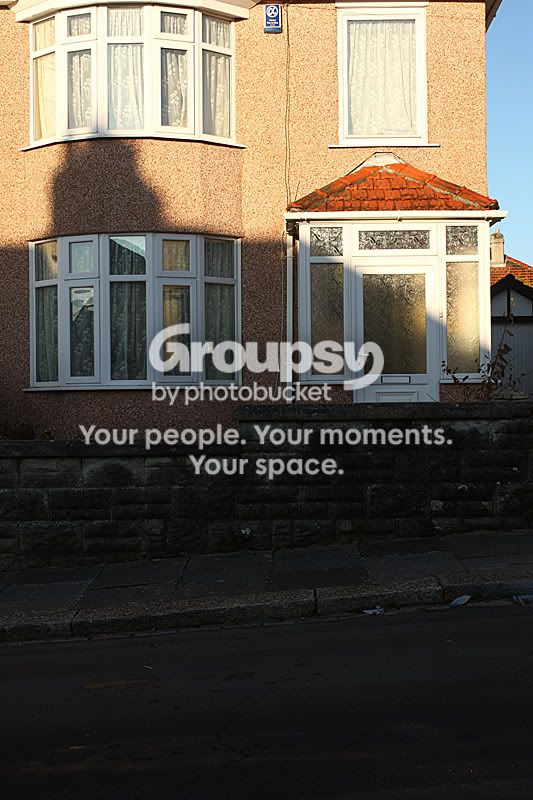
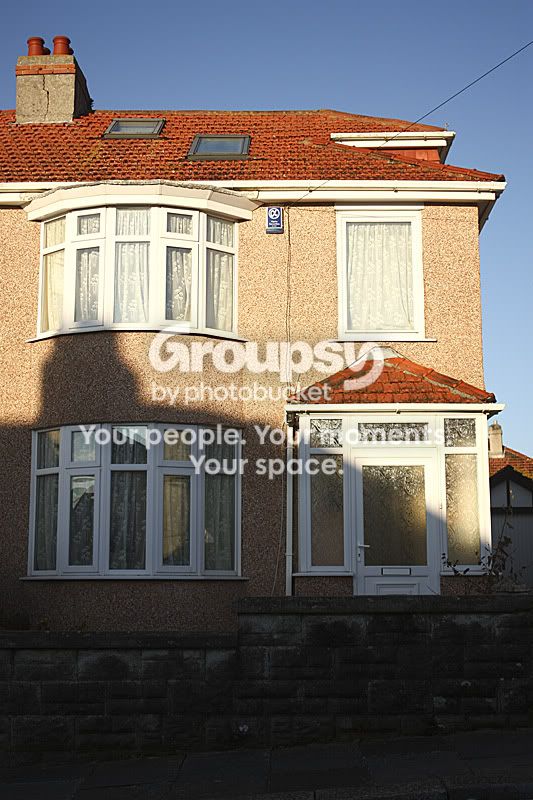
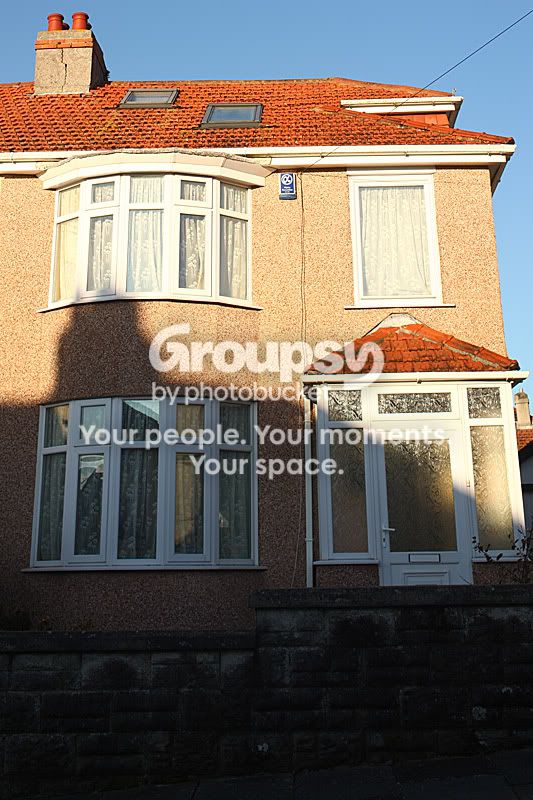
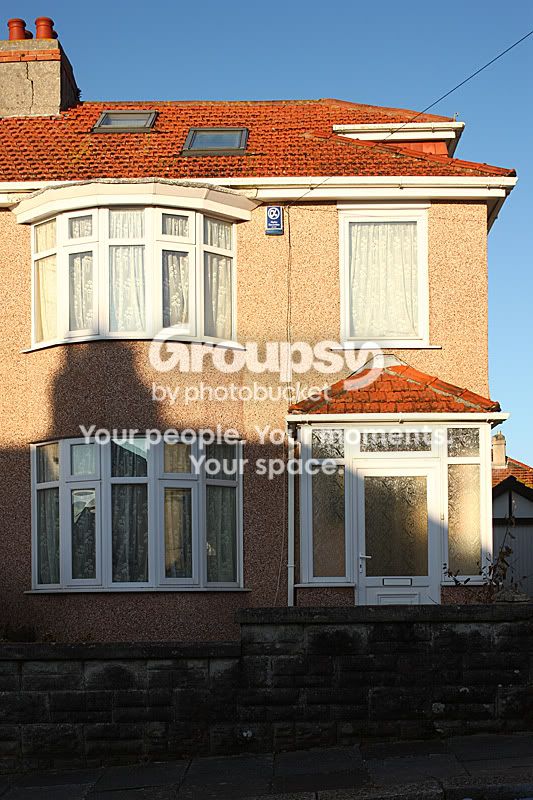
I took these this morning just to show the difference between shifted and unshifted images taken from the same point on a tripod, the only changes made are shifting of the lens or tilting of the tripod head/camera (not the mirex tilt).

Straight shot with 50mm Distagon. Camera back square to the subject, no rise or fall (shift).

straight.jpg


Camera tilted on tripod to fit all of the subject in frame. No rise or fall.

slightbacktilt.jpg


Camera tilted on tripod, lens shifted down (fall) to accentuate the perspective.

Shiftdownlargerbacktilt.jpg


Corrected image, Camera back square to the subject, lens shifted upwards (rise, about 8mm) to bring the subject into the frame.

Corrected.jpg


Whilst I accept that these images could be corrected in PP but theses are not the idea subject to really show the use of the adapter (or tilt/shift lens) off to its best, but was the nearest subject to use (as I only had to pop out the front door).
 
Sorry this is incorrect.

Neither tilt or swing can be used to correct perspective, tilt or swing only move the focus plane. It is purely the shift function that is able to correct perspective.

This is simply carried out by keeping the camera back straight. But this may make the top (usually) or bottom (depending on if you are higher or lower than the centre of your subject) of the required subject to be cut off.

The shift function can then be used to bring the required image back into the frame. The shift function can also be used to distort the perspective further if required (for artistic purposes maybe?) by shifting in the opposite direction to that which be expected causing the camera back to have to be tilted further than it normally would to get the image into the frame thus increasing the distortion.

Ah well, shows you what I know!

Reason i fancy one for portraiture is that I've used a Sinar in college and really like the fall off you get when you tilt the front.

I understand most things in the camera but how these lenses actually work is still a bit beyond me!
 
I took these this morning just to show the difference between shifted and unshifted images taken from the same point on a tripod, the only changes made are shifting of the lens or tilting of the tripod head/camera (not the mirex tilt).

Straight shot with 50mm Distagon. Camera back square to the subject, no rise or fall (shift).

straight.jpg


Camera tilted on tripod to fit all of the subject in frame. No rise or fall.

slightbacktilt.jpg


Camera tilted on tripod, lens shifted down (fall) to accentuate the perspective.

Shiftdownlargerbacktilt.jpg


Corrected image, Camera back square to the subject, lens shifted upwards (rise, about 8mm) to bring the subject into the frame.

Corrected.jpg


Whilst I accept that these images could be corrected in PP but theses are not the idea subject to really show the use of the adapter (or tilt/shift lens) off to its best, but was the nearest subject to use (as I only had to pop out the front door).

So in the 1st and 4th image, the camera is in the same place, at the same angle but the lens is shifted up for the 4th image?

It's the way that shifting the lens up by millietres can change the image by feet that makes it so hard to comprehend i think.
 
Thank you for posting this topic, Mirex do a T/S adapter for my camera (to take Mamiya lenses) so it's interesting seeing what it can do - Sony don't make their own T/S lenses but good to see how the alternative option works.
 
Thank you for posting this topic, Mirex do a T/S adapter for my camera (to take Mamiya lenses) so it's interesting seeing what it can do - Sony don't make their own T/S lenses but good to see how the alternative option works.

The Mirex adapter seems expensive, but if you already own MF lenses than it is a lot cheaper than splashing out on the OEM manufacturers models.

As an example a new Canon 90mm TSE is about £1100, as is the TSE 45mm.
Mirex @ £390 plus

s/h Mamiya 645 80mm F2.8 N @ £130
s/h Mamiya 645 45mm F2.8 N @ £280
s/h Mamiya 645 150mm F3.5 N @ £130

Can all be had for less than the price of a new TSE 90 or 45 and the Mirex offers slightly greater movements.

add a

s/h Mamya 645 24mm F4 @ £599 against the 24mm L TSE Mk2 at about £1900 forget that the 24mm Mamiya is a fisheye.

And if you really want to push the boat out substitute the Mamiya 645 45mm F2.8 N @ £280 for the Mamiya 645 50mm F4 Shift which can be had for around £400 and that on the Mirex would give an amazing amount of possibilities.

Infact I am seriously tempted to buy a Mirex Mamiya to EOS converter and the Mamiya 50mm f4 shift lens myself.
 
Last edited:
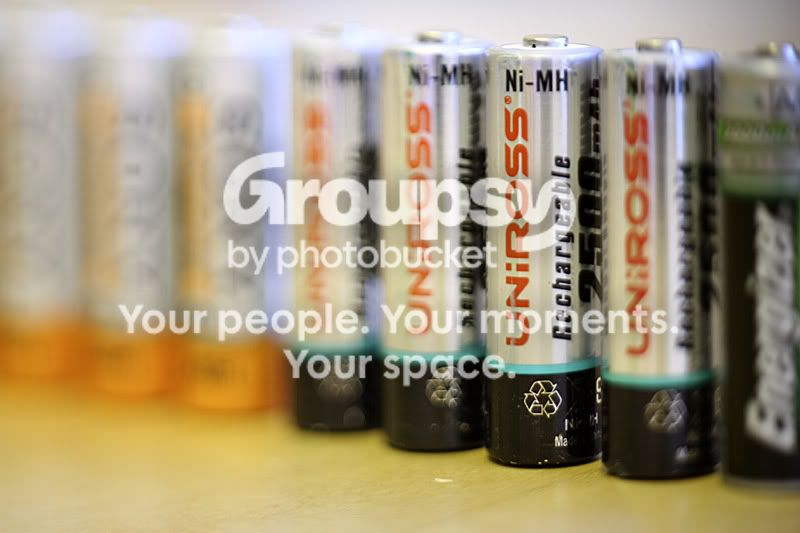
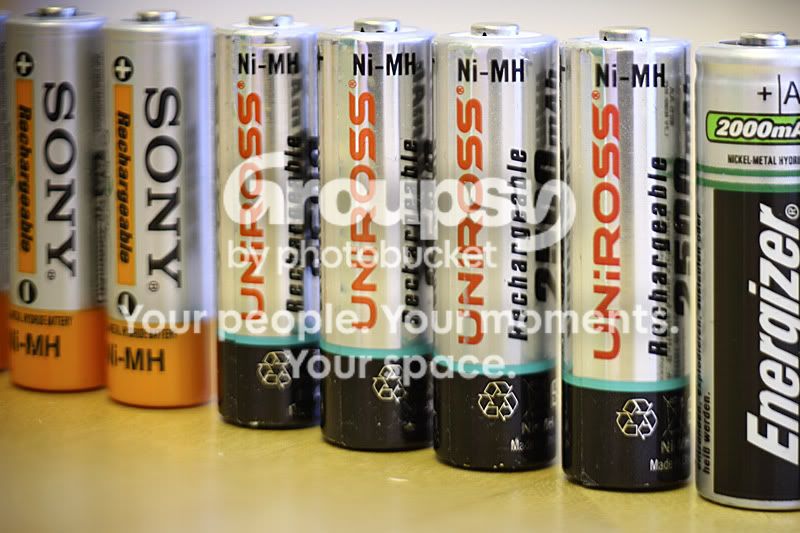
Some swing (tilt to side) images taken with the 80mm Planar at f2.8 and 26mm of extension tubes (10mm & 16mm) on the Mirex. Energizer battery was about 10" from the front of the lens.

Sorry its batteries again.

Swing against the line of batteries at f2.8, focussed on the second Uniross battery from the front.

f28swingagainst.jpg


Swing with the line of batteries at f2.8, focussed on the second Uniross battery front the front.

f28swingwith.jpg
 
Last edited:
Back
Top