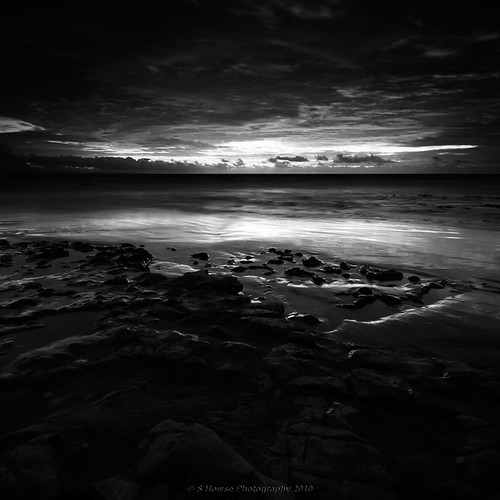
I shoot raw and prefer to expose either "correctly" or brighter than "correctly", so long as I don't go too far with my overexposure and end up losing important highlight detail. This is known as "Expose To The Right" or ETTR technique. There is very rarely (practically never) a good reason to underexpose an image unless you are deliberatley wanting the image to look dark for artistic effect. Underexposing and brightening in post is bad. Shooting "correctly" is good. Exposing to the right (if you shoot raw) is excellent.
ETTR explained -
http://www.luminous-landscape.com/tutorials/expose-right.shtml
In order to nail my ETTR exposures I spot meter off the brightest part of the scene for which I want to retain detail (not blow to featureless and unrecoverable white) and set a manual exposure to place the metered highlight area at +3. That might result in underexposure, it might result in overexposure, or it might result in a "correct" exposure. Usually it may make the image look a bit bright, but the technique captures as much image
DATA as possible from which I can then work to produce an image that looks nice.
Here's an example of an ETTR capture. The histogram is all the way over to the right hand edge. There are some parts of the sky which are clipped, but those are easily recovereable in Lightroom and there is no detail there to care about in any case. The captured image may look bright, but I have lots of tonal detail even in the deepest shadows. I have all the data I could hope for from which to create my final image. All it needs is a bit of tweaking to get it to look how I want.
This is not the kind of thing I would leave to autoexposure to get right. I want to be in control. The beauty is that it would not matter whether the aircraft was silver, white, black or any mixture of colours and tones. With this exposure setting I would have the maximum image data possible with which to work and by shooting manual the tone and size of my subject would not throw the exposure off.
Here's the image after adjustments....
The problem with underexposing and then brightening images is that you may see increased noise and perhaps
posterisation of tonal gradients. Correct exposures or ETTR exposures reduce or avoid such problems altogether.