If you're serious about bird photography, the answer I'm afraid is that there's no substitute for long glass and even then you'll be working much closer to the birds than you might think a long focal length would imply if it's quality images you're after - filling the frame can still remain a big problem even with very long lenses.
People talk rather glibly in my opinion, about using shorter lenses and fieldcraft to get closer to the wildlife, and whilst it's certainly possible, you're going to be constantly struggling within the circle of tolerance which pretty well all wild creatured have. In short you'll have your successes, but you'll suffer a lot of frustration too. Let's face it, if it were that simple wildlife pros wouldn't hump very long heavy lenses about - but they do.

My suggestions probably wont be too palatable..but here goes.
1. The most stable tripod you can afford.
2. A gimbal head.
This will probably do more for your wildlife shots than any other single item of kit. Until you've actually used one, it's difficult to appreciate the hassle it takes out of operatang a heavy lens on a tripod and how much easier it makes it to keep that all important focus point over a moving bird.
3. A long lens.
Zoom lenses like the 100-400L are excellent and probably the minimum to seriouisly tackle bird photography with reasonable returns for the time you'll put in. I woudn't part with mine, but forget any idea of using converters behind it - image quality will suffer.
A fast prime - anything between 300mm and 800mm and capable of producing quality images with converters will increase your keeper shots and the quality of them dramatically, and they come at a prohibitive price, but they're that price for a reason.
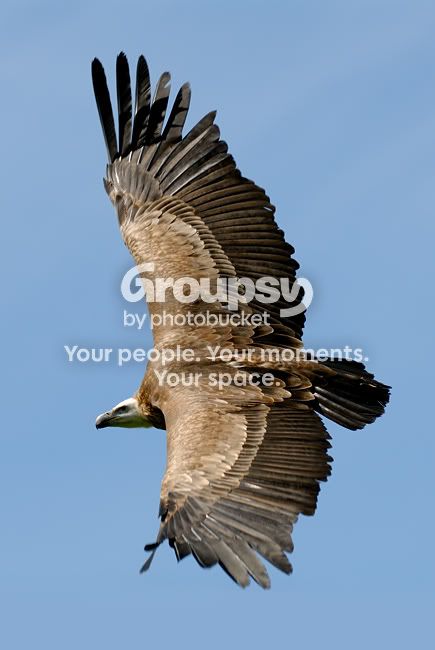
As for BIF shots, I'd choose to use a tripod and gimbal where possible, even with hand holdable lenses like to the 100-400L, but sometimes circumstances dictate you have to hand hold which should be well do-able with the 100-400L.
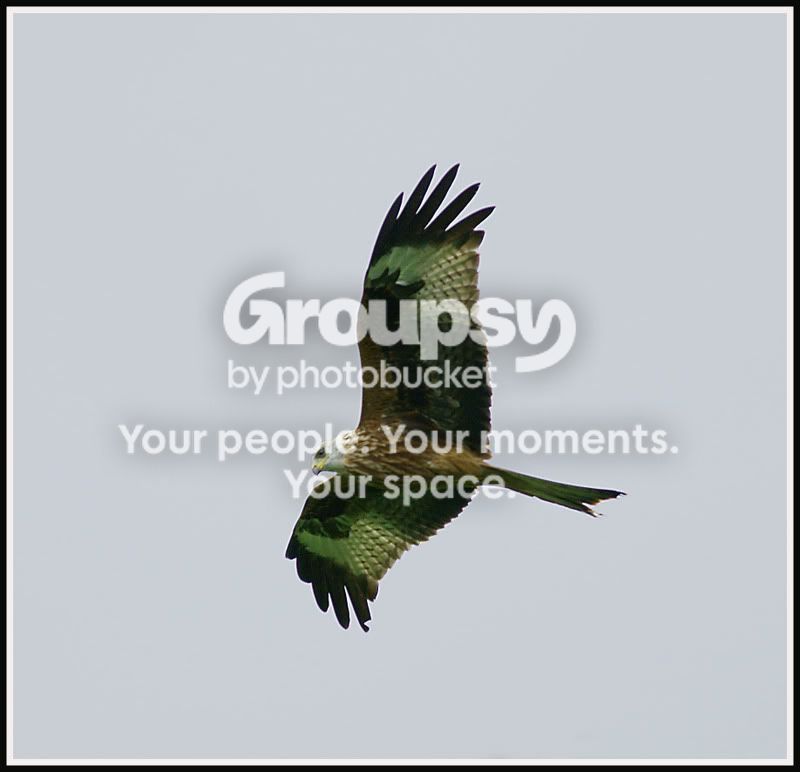
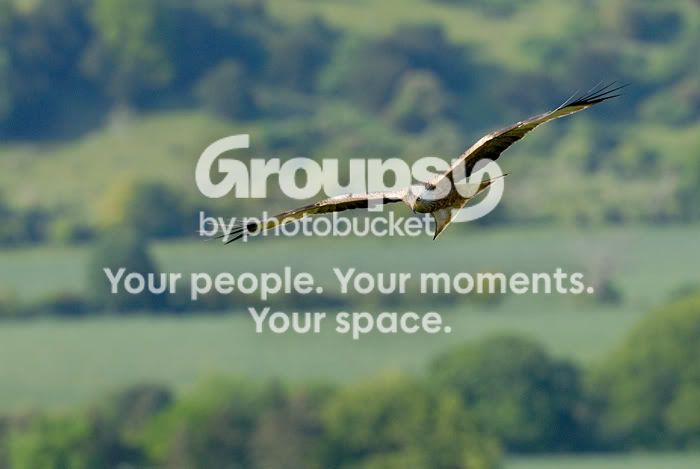
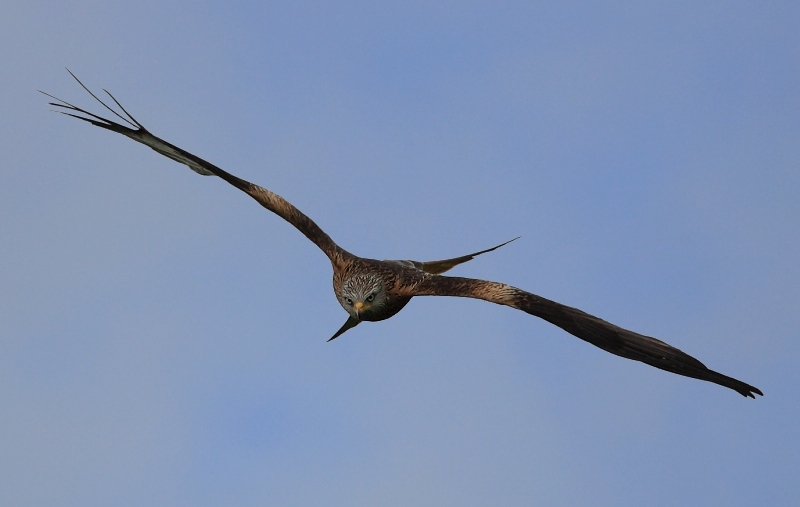
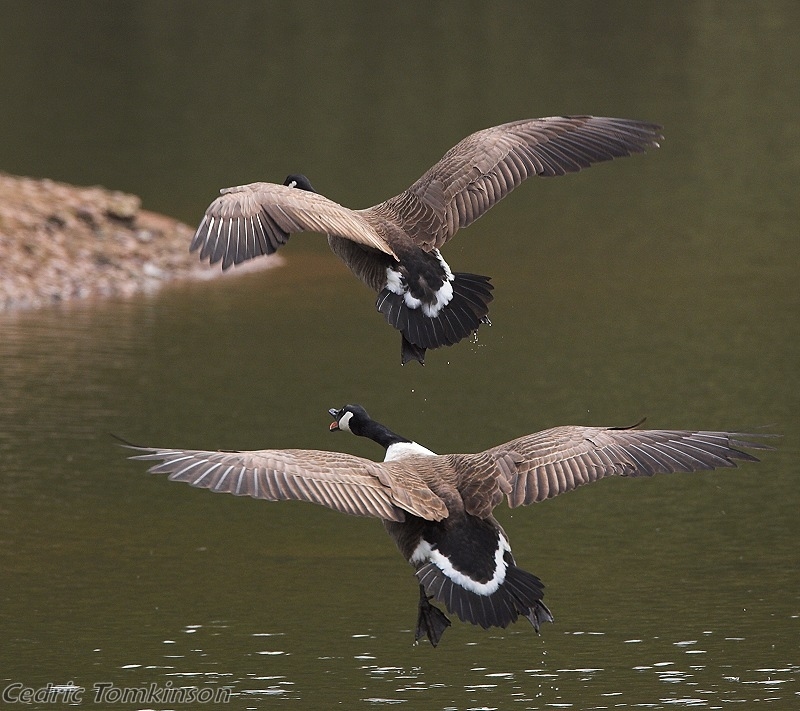
The Red Kite shots were taken hand held with the 100-400L while the Canada geese were taken with the 500mm f4L tripod mounted on a gimbal.
The thing about the Red Kite shots is that even with the 100-400L at full zoom, I took a lot of shots that day, and the few successful ones were the ones close enough to fill the frame reasonably, but these are still big crops even then. A lorra lorra shots went in the bin!
Don't get disheartened - it's not easy






 .





 I'm so sorry, I didn't even see your post Paul. When I clicked the new posts arrow it took me straight passed yours and a few others.
