to most 99% of the population its a funny picture of a man with a starbucks sign for a head turned B&W to make it more interesting
POAH,
No disrespect, but can you really speak for 99% for the population when making the above statement. I have heard that 50% of statistics are made up!!!
To get back to the debate, street photography links to art in as much as both mediums should be asking the viewer to consider ideas and concepts that have not previously been explored.
For example I recently visited the TATE gallery in Liverpool and saw a piece by Damien Hurst, named ‘Butterflies’ initially I was attracted to the large canvas because it was decorated with butterflies.
As I was viewing the picture I became aware that the butterflies were real and had been killed just to produce the picture, at that moment I became repelled.
This feeling of both attraction and repulsion stayed with me, I read later that this was the idea of the piece, to make the viewer attracted and repelled at the same time.
Street photography also know as social commentary does ask a lot of the viewer more so than any other form of photography because it is not just a technical reproduction, it is a two way process between photographer and viewer.
Like all art there is good and bad photography, I have seen some images that I just do not understand and cannot enter the photographer’s frame of reference.
To answer the question regarding cutting a cow in half and saying it represents the ‘industrialisation of agriculture’ then if you do that and can defend the work against critics by citing ether artistic precedence or a link to a wider debate , then to you have produced a valid piece of work .
Like with any art form people will either love or loath it , if it stands the test of time and is cited by other artist as inspirational , then the work stands on it’s own merits .




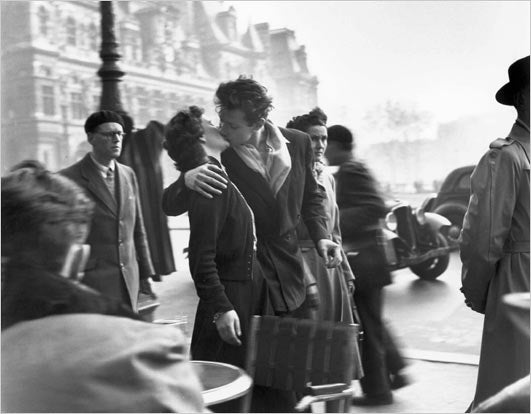


 He has a loyal following, and an outstanding reputation as one of "the best" at what he does. For some reason, he deleted his flickr account a fortnight ago, but his comments usually entered the hundreds, and the guy practically lived on Explore. I understand that there is no "scientific" way of measuring how good he is, however, if flickr held a top40 chart, I reckon he would be a top performer, consitently

 So whose photostream was I looking at 10 minutes ago?


 (joking !!) lighten up if you don't get it don't view it
