Zone System

Messages
3,661
Name
Wayne
Edit My Images
No
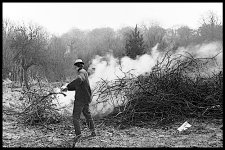
Often I read that we should place the shadows in zone three but Adams in his most famous image used the luminance of the moon as the set point for the exposure.
I think that I am starting to get my head around the problems and choices that are faced. It seems so counter intuitive, meter for the darkest area and stop down two or meter for the lightest and open up three. It all seems so straightforward when the EV spread of the scene is only five or six stops.
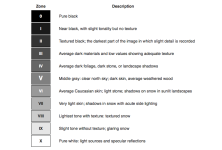
I have read that 90% reflectance white card is zone nine - is that correct ?

If the EV spread of the scene is seven stops or eight then reading the white card and opening up four stops leaves us with zone two perfect if the film allows doesn't it. But if there is a need to drop the zone nine to eight then overall we might get a bit bright. What is the point at which we start to develop at N- or N+ ?

And finally to my point, are there any published development times for N+ or N- developments for the various films ?
 
For that particular shot my guess would be whatever happened he didn't want to blow the moon out so metered on it to ensure the detail was kept, and in fact with some reading he used the moon light as a fixed reading which he then used to meter the rest of the scene off as he had no meter at that time. https://articles.anseladams.com/a-legend-in-light/?doing_wp_cron=1780694214.1063311100006103515625 - that shot was more of an exception than the rule

N+ N- is usually when you've passed the printing range of the paper you use 5 stops (7 including pure black and white), if you scene has only 4 stops of difference then you'll want to extend and if you have 8 stops between you light and dark subjects you'll want to contract.

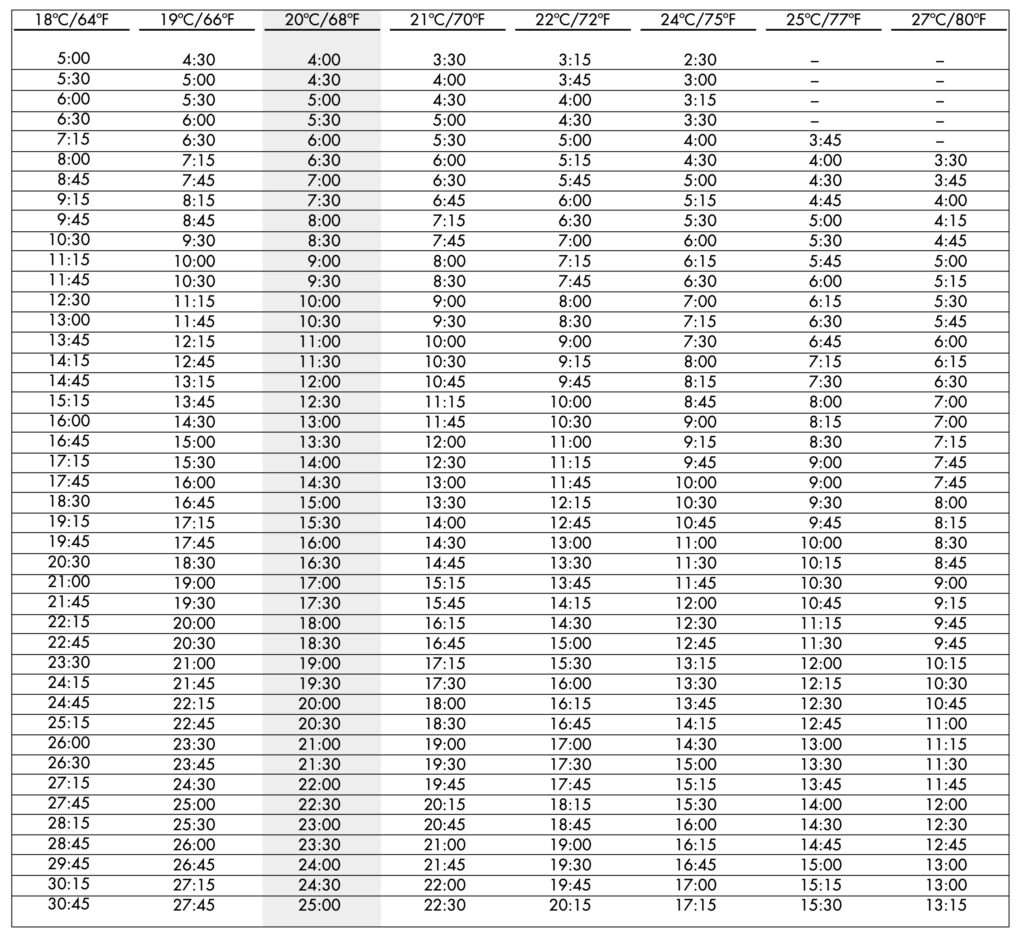
No published times, you can start at +-25% dev time each side as an approximation. If you have the time and patience there are plenty of tests over on photrio that discuss this involving densitometers

Having fallen down this path myself , from other forums users over on photrio I follow the guide now of highlights too dense, reduce time, shadows too dark increase exposure and try and take more pictures

Bon chance on this rabbit hole if you follow it!
 
For that particular shot my guess would be whatever happened he didn't want to blow the moon out so metered on it to ensure the detail was kept, and in fact with some reading he used the moon light as a fixed reading which he then used to meter the rest of the scene off as he had no meter at that time. https://articles.anseladams.com/a-legend-in-light/?doing_wp_cron=1780694214.1063311100006103515625 - that shot was more of an exception than the rule

N+ N- is usually when you've passed the printing range of the paper you use 5 stops (7 including pure black and white), if you scene has only 4 stops of difference then you'll want to extend and if you have 8 stops between you light and dark subjects you'll want to contract.

No published times, you can start at +-25% dev time each side as an approximation. If you have the time and patience there are plenty of tests over on photrio that discuss this involving densitometers

Having fallen down this path myself , from other forums users over on photrio I follow the guide now of highlights too dense, reduce time, shadows too dark increase exposure and try and take more pictures

Bon chance on this rabbit hole if you follow it!

Thanks for that !

I had thought it was related to the film and not the paper. Doh !

Also been thinking that the contraction was only of the highlights and expansion only of the shadows. Double doh !

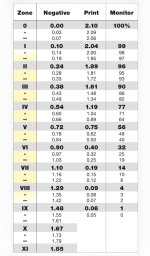
I found this after googling which seems to be thorough, apart from differing recipe contents re the KBr


N+4 and N-6 seem a little extreme considering your comments on the paper.

I will be happy just getting a decent exposure to start off with, but a densitometer had crept into my thoughts a week or two ago. :ROFLMAO:
 
Yeah I've read you’ll probably never go over 2 in either direction, with multigrade and scanning it matters less than it use to

Pictorial planet on youtube does a lot of this testing and talks more about it all than I could

Youll be on youtube soon looking for densitometers and step wedges

Im still waiting for someone with more patience than I to release a modern sensitometer for 4x5
 
Last edited:
Found some of the Photrio stuff.

Now I need to know what density is Zone five. This can get incredibly accurate.
 
I'll just point out that photographers were making wonderful photographs long before Ansel Adams and Minor White articulated the zone system. Edward Weston inter alia developed by inspection; you'll have seen the comment in the sidebars of the Film Developing Cookbook from one of his sons (Brett, I think) about why he didn't use a meter. You should be able to find comments from AA himself about different light in some regions, that suggest he saw more than just the amount of light - the property that meters meter.
 
Back
Top