- Messages
- 4,331
- Name
- Wayne
- Edit My Images
- No
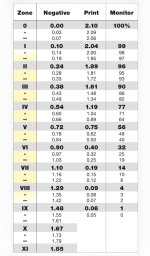
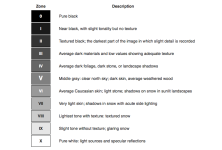
Often I read that we should place the shadows in zone three but Adams in his most famous image used the luminance of the moon as the set point for the exposure.
I think that I am starting to get my head around the problems and choices that are faced. It seems so counter intuitive, meter for the darkest area and stop down two or meter for the lightest and open up three. It all seems so straightforward when the EV spread of the scene is only five or six stops.
I have read that 90% reflectance white card is zone nine - is that correct ?
If the EV spread of the scene is seven stops or eight then reading the white card and opening up four stops leaves us with zone two perfect if the film allows doesn't it. But if there is a need to drop the zone nine to eight then overall we might get a bit bright. What is the point at which we start to develop at N- or N+ ?
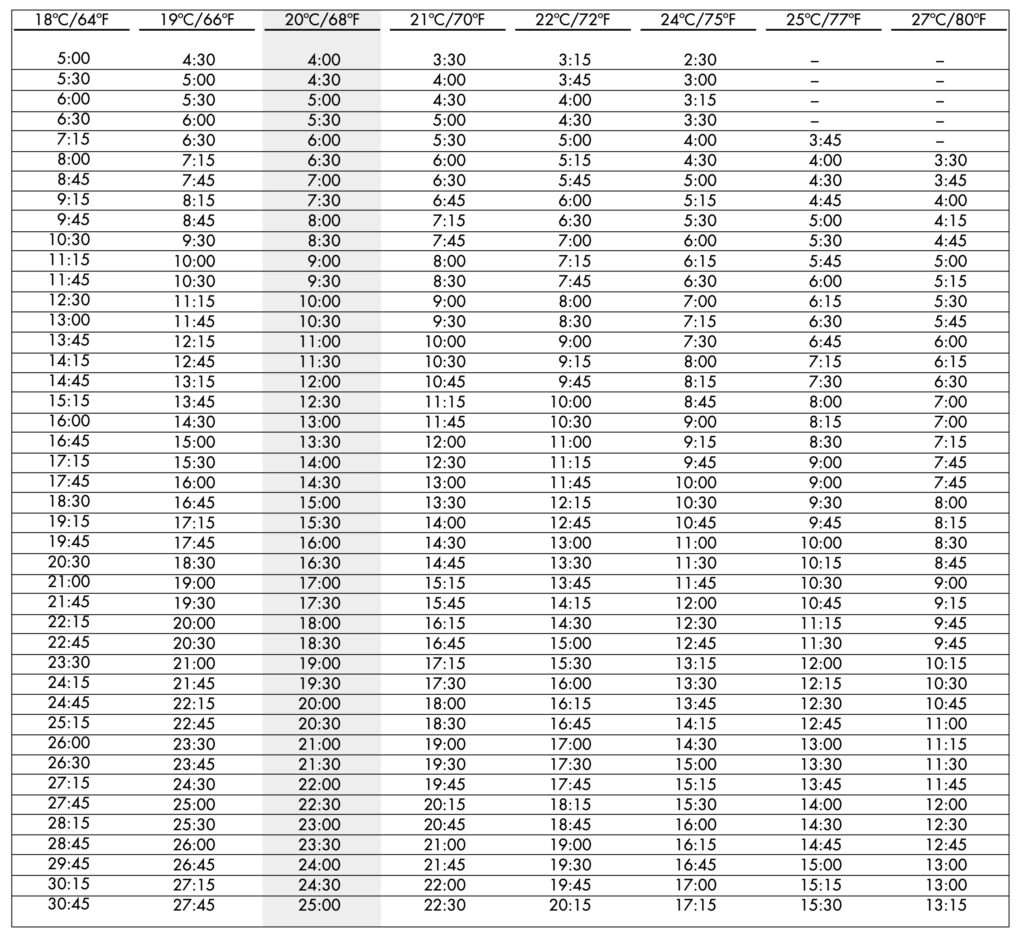
And finally to my point, are there any published development times for N+ or N- developments for the various films ?
I think that I am starting to get my head around the problems and choices that are faced. It seems so counter intuitive, meter for the darkest area and stop down two or meter for the lightest and open up three. It all seems so straightforward when the EV spread of the scene is only five or six stops.
I have read that 90% reflectance white card is zone nine - is that correct ?
If the EV spread of the scene is seven stops or eight then reading the white card and opening up four stops leaves us with zone two perfect if the film allows doesn't it. But if there is a need to drop the zone nine to eight then overall we might get a bit bright. What is the point at which we start to develop at N- or N+ ?
And finally to my point, are there any published development times for N+ or N- developments for the various films ?







 It's not a derogatory term