The Difference a polariser makes

Messages
8,400
Name
Andy
Edit My Images
No
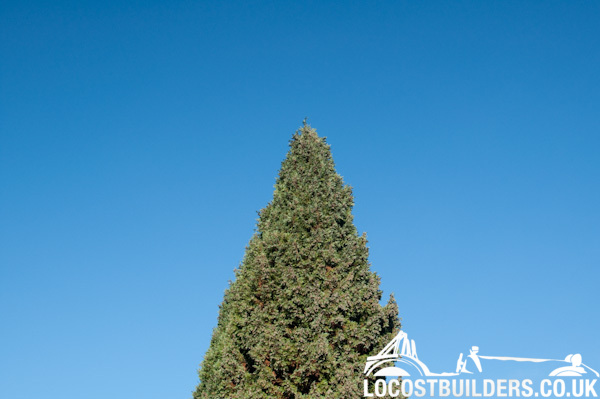
I have a polarizing filter that is too big for any of my lenses and I have never used it or any other polariser before but I thought I'd give it a go so I took a shot without the filter then another by holding it on the lens and turning it until the image looked good. I can not believe the difference!!

without:
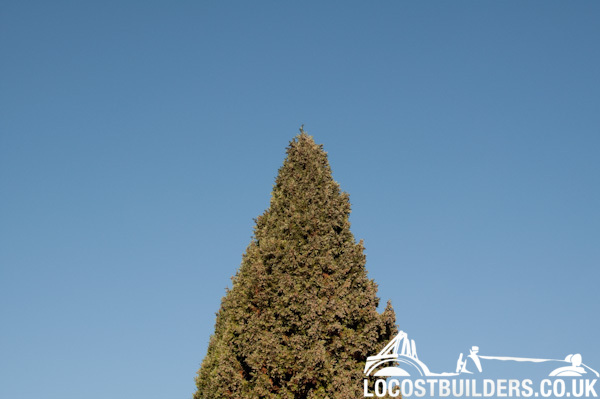
Poloriser01_600pix.jpg


with:
Poloriser02_600pix.jpg
 
I bought it with some other stuff months ago and kept ti just in case. Gonna get me a decent one I thinks :thumbs:
 
I have a polarizing filter that is too big for any of my lenses and I have never used it or any other polariser before but I thought I'd give it a go so I took a shot without the filter then another by holding it on the lens and turning it until the image looked good. I can not believe the difference!!

Effect can be dramatic providing the light is coming at a suitable angle.
 
strange thing is, the tree looks a little washed out in the polarised shot, or is it me?
 
I always find it amazing the difference a Polariser can make.

As has been said though, when the conditions are right to get the most difference.

There can be problems on a really wide angle lens with an uneven Polarising effect on the sky because the angle is too wide. That's in Landscape orientation though, you may get away with taking a pics in the Portrait orientation. as below.

Here's two I took on holiday within a a few seconds of each other, just turning the Polariser between shots.

Without the Polariser effect
venicewithoutpolariser.jpg


With the Polariser effect
venicewithpolariser.jpg


They're unedited and converted straight from the RAW file with no changes, so may be a bit soft and wonky. ;) :lol:
 
strange thing is, the tree looks a little washed out in the polarised shot, or is it me?

I think you're right, I do prefer the tree in the 1st image. May just be because it's a jessops jobby??? I dunno how good they are and maybe I got the angle wrong but when turning the polariser there was a fair change.
 
I always find it amazing the difference a Polariser can make.

As has been said though, when the conditions are right to get the most difference.

There can be problems on a really wide angle lens with an uneven Polarising effect on the sky because the angle is too wide. That's in Landscape orientation though, you may get away with taking a pics in the Portrait orientation. as below.

Here's two I took on holiday within a a few seconds of each other, just turning the Polariser between shots.

Without the Polariser effect
venicewithoutpolariser.jpg


With the Polariser effect
venicewithpolariser.jpg


They're unedited and converted straight from the RAW file with no changes, so may be a bit soft and wonky. ;) :lol:

The sky, water and buildings are a vast improvement but the ground is better in the top image! I guess there's no reason not to combine the 2 images.:thumbs:
 
The sky, water and buildings are a vast improvement but the ground is better in the top image! I guess there's no reason not to combine the 2 images.:thumbs:
Yep, same as when different exposures have been bracketed, if you can be bothered, take the best bits and combine. :thumbs:
 
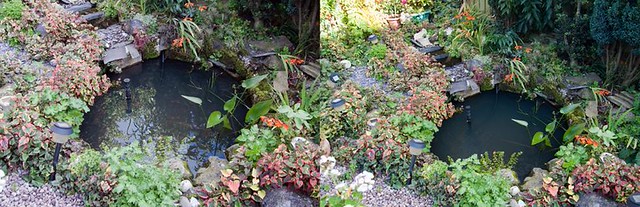
I took this a few weeks ago to see the difference it makes:

4941341623_6300deb14b_z.jpg


Ignore the fact one is zoomed in and the other isn't :D This was just to show how it affects water. The left photo = no filter and the right was set to minimise reflections, which is why the water appears darker and has no reflections
 
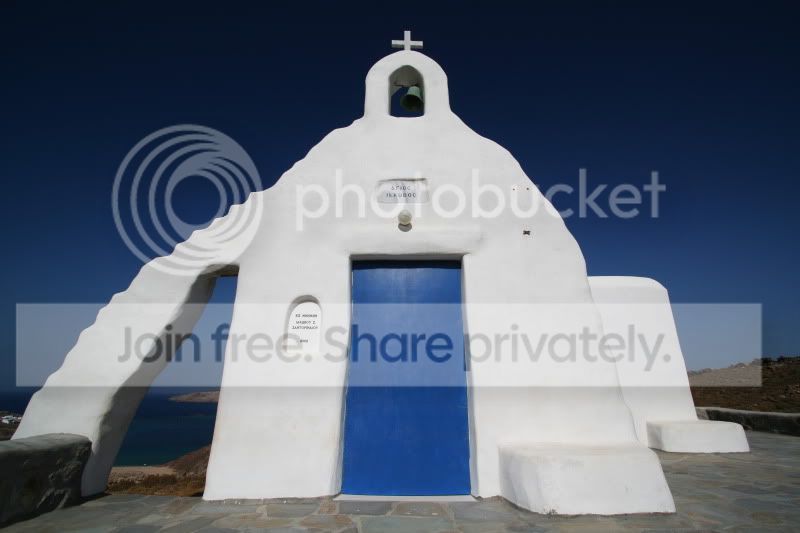
Here's what happens when there's a lot of polarised light about! :eek:

Shot at 10mm, proving that you don't always get patchy skies using a polariser with wide angles ;)

EPV0118.jpg
 
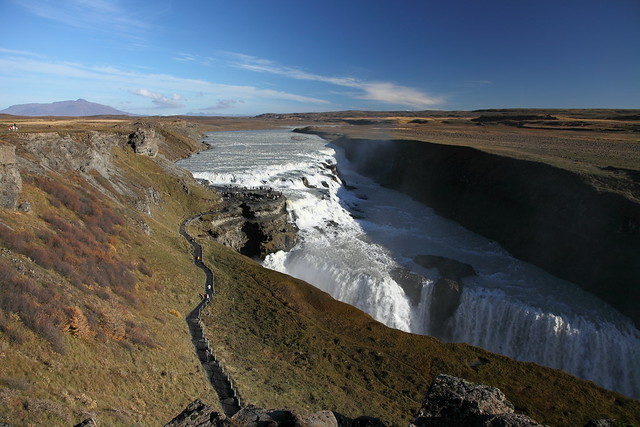
Equally easy to get it wrong @ 24mm - must sort out getting some ND Grads

<snip>

Personally, I don't think the sky looks too bad there, but that's characteristic of the uneven polarising effect you can get when the sun is low in the sky.

The darkness on the right is because eveything is in shadow, rather than the polariser.
 
Now put it on a wide-angle and see how crap the difference looks :(

Which is why I gave mine away some years ago :)

DD

I think they look awesome on UWA's, I have a 77mm polariser just for my 10-22!
 
Going to buy one myself soon. Quite fancy a 'Kood' one for now.
 
I got to be honest, I never use a polariser any more. Even at 24mm on FF (and using it correctly, ie, correct shooting angle with respect to the sun and all that malarkey) the effect it produces really isn't a good one. Grads are a far better choice imho, and seeing as most 77mm CPL's cost a stupid amount of money anyway, that money is better spent on some Cokin P's or towards some LEE's. Come to think of it, my Hoya Pro1 D is just sat here... Might flog it :D
 
Ignore the fact one is zoomed in and the other isn't :D This was just to show how it affects water. The left photo = no filter and the right was set to minimise reflections, which is why the water appears darker and has no reflections

They're superb at eliminating reflected light which is why I won't wear anything other than polarised sunglasses when driving as they cut out so much of the glare from wet roads.
 
couldn't the whole sky thing be done easily enough in PP?

costs less and less risk of flare + polarisers for lenses with wider apertures are hardly cheap.

i don't dispute they make a difference with water, but to be honest, it's so easy to create dramatic skies with a photoshop layer mask and curve layer.
 
couldn't the whole sky thing be done easily enough in PP?

costs less and less risk of flare + polarisers for lenses with wider apertures are hardly cheap.

i don't dispute they make a difference with water, but to be honest, it's so easy to create dramatic skies with a photoshop layer mask and curve layer.

I think the honest answer to that is yes.

We're basically talking about a bit of HDR technique there and without opening that particular can of worms, in terms of the end result it can make a very good fist of darkening a blue sky, and IMHO does it far better than using a graduated filter (which darkens everything above the grad line - trees, buildings, mountains - and often looks pretty naff). However, a polariser does more than darken skies, which cannot be mimicked in post processing.

But the other thing is that I find it a much more enjoyable way of working. I like to get things right in camera when I can, and if it avoids going anywhere near a computer, that suits me even better :) I'm very attached to my polarising filter and super wide lens.
 
I think the honest answer to that is yes.

We're basically talking about a bit of HDR technique there and without opening that particular can of worms, in terms of the end result it can make a very good fist of darkening a blue sky, and IMHO does it far better than using a graduated filter (which darkens everything above the grad line - trees, buildings, mountains - and often looks pretty naff). However, a polariser does more than darken skies, which cannot be mimicked in post processing.

But the other thing is that I find it a much more enjoyable way of working. I like to get things right in camera when I can, and if it avoids going anywhere near a computer, that suits me even better :) I'm very attached to my polarising filter and super wide lens.

Isn't it odd that when someone posts pretty much what we'd like to say, rather than move on knowing our thoughts have been added, we like to post and say we agree. :lol:
 
I got to be honest, I never use a polariser any more. Even at 24mm on FF (and using it correctly, ie, correct shooting angle with respect to the sun and all that malarkey) the effect it produces really isn't a good one. Grads are a far better choice imho

Why do most of the discussions with polarisers concentrate on the sky? I mostly use it for different purpouse and in this case wide lens or non wide makes no significant difference. I am talking of the case when polariser is used to remove scattered reflections from vegitation (trees etc) - this usage boosts saturation and contrasts and ND/grads filters will never achieve the same effect.
 
couldn't the whole sky thing be done easily enough in PP?

costs less and less risk of flare + polarisers for lenses with wider apertures are hardly cheap.

i don't dispute they make a difference with water, but to be honest, it's so easy to create dramatic skies with a photoshop layer mask and curve layer.

Probably, though not as nicely (if you over saturate blue in PP you ALWAYS get noise more than any other clolour).

However, PPing cant remove the reflections and show through the lovely colours you can get through water (for example), particually sea beds, and reducing reflections on car shots - thats something PP'ing will never be able to achieve.
 
If it is just a darker blue sky you want then a graduated filter may be what you need, but the Polariser does more than just make the blue sky darker, it also makes the clouds stand out against the blue sky for one thing. The Polariser cuts through the hazy sky. A low contrast cloudy sky may just become a darker low contrast sky with a grad. ;)

Then there is the reflections on surfaces which can sometimes be illuminated completely. :)


No one is saying you have to use one though. :shrug:

Just showing what the difference is by using one. ;) :D
 
Back
Top